Language Learning Trends & Statistics 2026
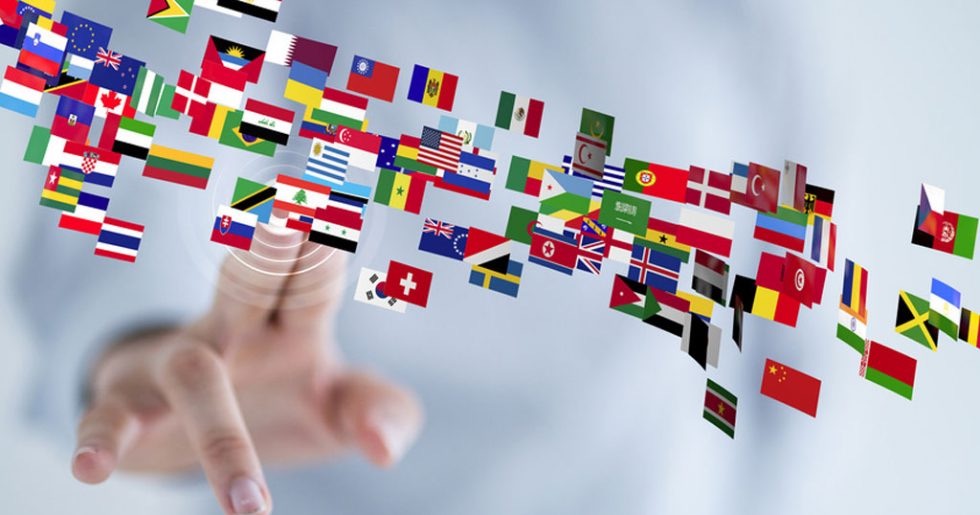
Language learning in 2026 sits at the intersection of demography, migration, education policy, and technology. More people than ever want to speak a second or third language—not only for travel, but for remote work, university admission, integration in new countries, and access to global media. Governments publish statistics on school enrollment and literacy; international organizations track migration and education access; national censuses reveal which languages households speak at home. Together, these data points sketch a clear picture: multilingualism is rising in cities, English remains the dominant international language, Spanish and Mandarin Chinese anchor regional economies, and digital tools have normalized daily practice outside the classroom.
This report synthesizes language learning trends and statistics for 2026 with a global lens first, then brief regional snapshots for the United States, Canada, South Africa, India, and Europe. Figures draw on census bureaus, ministries of education, and multilateral research where possible. Market estimates appear only when they help explain scale; the focus is on who learns, why they learn, and how patterns are shifting—not on promoting any single app or vendor.
Whether you are an educator, policy reader, HR leader, or independent learner, these statistics offer context for decisions about curriculum, hiring, and personal study time. Trend lines matter as much as single numbers: a country with flat school enrollment but surging adult online learning tells a different story than one expanding bilingual programs from primary school upward.
Independent learners who learn on their own should read worldwide statistics before choosing a language: global demand shapes textbook availability, tutor supply, and media libraries. Classroom teachers can use the same statistics to justify early start ages or dual-language tracks to school boards. The sections below translate macro trends into patterns you can recognize in local enrollment reports and labor market surveys.
Worldwide Language Learning Statistics and Trends
Global scale: how many languages, how many learners
Ethnologists and UNESCO-related compilations routinely cite more than 7,000 living languages worldwide, though many are spoken by small communities and face endangerment. At the same time, a handful of languages—English, Mandarin Chinese, Hindi, Spanish, French, Arabic, Bengali, Portuguese, Russian, and Urdu among them—account for a large share of daily communication when native and second-language speakers are combined. The statistic that often surprises general readers is not the total count of languages, but the concentration of economic and educational activity in roughly a dozen of them.
UNESCO’s Global Education Monitoring work has highlighted that millions of children still receive instruction in a language that is not their home language, which affects comprehension, dropout risk, and long-term literacy. That single statistic—often summarized as a substantial minority of learners worldwide lacking mother-tongue instruction—frames why “language learning” in policy documents can mean either foreign-language electives for majority speakers or survival learning for marginalized groups. The trend in inclusive education is toward recognizing both needs: heritage language support and international language acquisition.
For adult learners, estimates of global English learning alone exceed one billion people when casual mobile users, formal students, and workplace trainees are aggregated across national surveys and industry summaries. Mandarin learning outside China, Spanish learning in the Americas and Europe, and French learning in Africa reflect trade ties, migration corridors, and cultural prestige. Arabic learning rises where Gulf employment draws workers from South and Southeast Asia. Japanese and Korean learning benefit from global entertainment exports—a trend that youth statistics consistently show in extracurricular enrollment and self-study time.
Voluntary learning—apps, tutoring, conversation clubs—now complements compulsory schooling for most major languages. Adults who learn after university often do so for promotion, relocation, or family; teenagers learn for exams and social media communities. Both groups appear in statistics when surveys ask about study within the last year, even if they never enroll in a degree program.
Multilingualism as a baseline, not an exception
Roughly 43% of the world’s population is bilingual or multilingual by common sociolinguistic estimates, though definitions vary by survey. In many African and Asian nations, routine code-switching among two or three languages is normal in markets, homes, and local media. European border regions show similar patterns. The statistic is important for product designers and teachers: a “beginner” may already read fluently in one script and struggle only with spoken confidence in another language.
Urbanization accelerates contact languages. Lagos, Dubai, Toronto, Singapore, and Berlin each function as language ecosystems where English often serves as a bridge among native speakers of Urdu, Tagalog, Tamil, or Polish. The trend toward remote work since the early 2020s added a layer: professionals learn communication languages not to relocate but to join distributed teams. That shift shows up in corporate learning budgets and in evening enrollment at community colleges worldwide.
Most studied languages worldwide
Ranking “most studied” languages depends on measurement: school curriculum hours, university majors, private tutoring, or app session counts. Institutional statistics align on a stable top tier:
| Rank band | Language | Primary drivers of study |
|---|---|---|
| 1 | English | International business, science, aviation, tourism, higher education |
| 2 | Spanish | Americas demographics, US labor market, European secondary schools |
| 3 | French | Africa’s educational systems, diplomacy, Canadian bilingualism |
| 4 | Mandarin Chinese | Trade with China, heritage communities, government initiatives |
| 5 | German | Engineering exports, EU mobility, university tuition-free pathways |
| 6 | Japanese | Culture industries, robotics, tourism |
| 7 | Korean | Entertainment exports, technology brands |
| 8 | Italian | Tourism, culinary arts, design |
| 9 | Arabic | Religious study, Gulf employment, geopolitics |
| 10 | Portuguese | Brazil’s economy, Lusophone Africa |
English dominates measurable learning hours partly because it is a required subject in countries where it is not the primary language of instruction. The British Council’s institutional research programs have long documented demand for English teachers and assessment worldwide; their statistics underpin national teacher-recruitment campaigns from Chile to Vietnam. Spanish learning trends upward in the United States and Brazil’s neighbors, while Mandarin learning growth is uneven—strong in Southeast Asia and parts of Africa, moderated in Western Europe where geopolitical sentiment affects curriculum choices.
Heritage learning complicates rankings. Millions learn Hindi, Bengali, or Yoruba in diaspora communities without appearing in host-country school statistics as “foreign” languages. Community schools and religious institutions fill gaps public systems ignore. Any global statistic that counts only K–12 electives undercounts real language learning activity.
Education systems: where learning starts
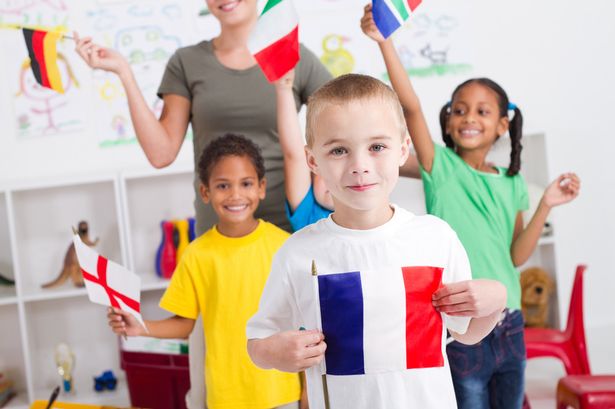
National curricula remain the backbone of language learning. In much of Europe, foreign language study begins between ages six and nine; in parts of Asia, English exposure starts in primary school with varying intensity. Latin America shows heterogeneity: some countries emphasize English from grade one; others concentrate hours in secondary school. Sub-Saharan Africa juggles colonial languages as media of instruction with advocacy for local languages in early grades—a trend UNESCO tracks closely.
The statistic from Eurostat that 96% of EU upper-secondary students were learning at least one foreign language in recent reporting years illustrates how embedded language learning is in European policy. Completion rates and proficiency outcomes vary, but the enrollment statistic itself shapes textbook markets, teacher training pipelines, and exchange programs like Erasmus+. Outside Europe, bilingual programs in Wales, Ireland, Catalonia, and Quebec show regional trends toward protecting minority languages while teaching international ones.
Teacher shortage is a recurring global statistic. English and French learning demand often outpaces certified instructors in rural areas of Africa and Southeast Asia. Online tutoring marketplaces partially absorb overflow, but quality assurance remains uneven. The trend toward micro-credentials for language teachers—CEFR alignment, task-based methodology certificates—reflects attempts to standardize outcomes where formal hiring cannot scale quickly.
Digital learning trends and statistics
Digital language learning accelerated sharply after 2020 when classroom hours collapsed and smartphones became the default practice surface. Precise global statistics on app usage are fragmented because private firms hold much of the data, but institutional surveys of education technology adoption confirm a persistent trend: supplementary digital practice is now normal even where in-person instruction returned.
Several statistics-backed trends define 2026:
- Mobile-first sessions. Short daily drills replaced weekly classroom blocks for many casual learners. The trend favors habit design—streaks, push notifications—over semester pacing.
- Hybrid classrooms. Universities and high schools blend LMS grammar modules with speaking labs. Institutional statistics show LMS penetration above pre-2020 baselines in OECD member countries.
- Asynchronous tutoring. Video feedback on pronunciation scales one-to-many instruction. Migration-heavy cities report waitlists for evening Zoom language classes.
- Open educational resources. Public broadcasters and museums publish graded language media; learners combine free input with paid tutoring—a trend lowering cost barriers.
- Assessment online. Remote proctoring for proficiency exams expanded access but raised integrity debates; nonetheless, test registration statistics rebounded post-pandemic.
Government statistics on household broadband correlate with digital language learning uptake. Where connectivity is expensive, offline-first apps and SMS vocabulary services still matter. The digital divide remains a statistic worth watching: technology trends can widen gaps if public schools lack devices.
Economic and labor-market statistics
Employers increasingly list language skills in job postings, though requirements vary by sector. Multinational customer support, logistics, hospitality, and healthcare show measurable wage premiums for bilingual staff in US and EU labor statistics, with effect sizes depending on city and language pair. The trend in “English-only” remote jobs paradoxically increases learning of English in emerging markets while encouraging native English speakers to learn Spanish or Portuguese for client-facing roles in the Americas.
Export-oriented economies tie language policy to GDP components. Tourism-dependent countries invest in multilingual signage and guide certification statistics. Manufacturing hubs near German or Japanese supply chains subsidize language classes for technicians. These statistics rarely make headlines but explain steady enrollment in vocational language programs.
International student mobility is another economic statistic driver. When visa rules tighten, enrollment statistics shift—Canada and Australia saw surges in certain years when US or UK policies looked uncertain, affecting ESL learning markets. Currency swings influence whether families send teenagers abroad or choose domestic bilingual schools instead.
Age demographics: who learns at each life stage
Children still account for the largest structured learning hours globally because of compulsory schooling. Adolescents dominate exam-preparation statistics—DELE, DELF, IELTS, HSK, JLPT—since scores gate university admission and immigration points.
Adult learning statistics tell a different trend story. Workforce reskilling programs for refugees and immigrants produce spikes in host-language classes at ages twenty-five through fifty-five. Retirement learning clubs grow in Japan and Europe as healthy-aging curricula promote cognitive stimulation through language study. Corporate learning platforms report highest completion rates among managers preparing for expatriate assignments.
The statistic that adult learners often outperform teenagers on motivation—but underperform on available time—explains the popularity of flexible online models. Young adults aged eighteen to thirty-four remain the most represented cohort in voluntary digital language learning statistics outside compulsory education, driven by travel aspirations, dating across cultures, and gig-economy mobility.
Gender gaps in enrollment have narrowed in many countries’ school statistics, though cultural restrictions still limit language exposure for girls in some regions. Global advocacy trends emphasize equitable access to second-language instruction as part of SDG 4 quality education targets.
Cognitive and social research trends
Universities continue to publish on bilingualism’s cognitive correlates—executive function, attention control, delayed onset hypotheses for dementia symptoms—though effect sizes and causality remain debated. These research trends influence public willingness to fund early bilingual programs. Social statistics link language learning to cross-cultural empathy in intergroup contact studies, supporting curriculum designers who integrate exchange virtual pen-pal projects.
Heritage language maintenance studies document attrition by generation: third-generation immigrants often comprehend but rarely produce the ancestral language unless community institutions intervene. That statistic motivates weekend language schools in diaspora hubs from Melbourne to Montreal.
Technology trends: AI, speech recognition, and personalization
Artificial intelligence dominates 2026 language learning trends in media coverage, but institutional adoption statistics lag hype. OECD digital education surveys describe pilot programs using adaptive feedback and automated essay scoring; full classroom replacement remains rare. More common is AI-assisted homework correction and pronunciation scoring on consumer devices.
Speech recognition accuracy improvements benefit tonal languages and low-resource languages slowly. The trend toward large language models raises new classroom policies: some schools ban machine translation on assignments; others teach prompt literacy and post-editing as skills. Academic integrity statistics from universities show rising plagiarism-detection flags on language assignments, pushing educators toward oral exams and in-class writing.
Personalization statistics from learning management systems suggest spaced repetition and error logging improve retention when paired with human conversation practice. The trend is hybrid: algorithms schedule drills; humans supply motivation and pragmatic feedback.
On the consumer side, the same hybrid model is taking shape. PolyChat pairs AI conversation practice with unlimited vocabulary and conjugation drills—without daily mistake caps—so independent learners can study at the volume research suggests matters while aligning progress to familiar proficiency frameworks.
Virtual reality immersion pilots exist in university labs but have not yet produced mass enrollment statistics. Lower-cost augmented reality phrase overlays for travel show consumer trend interest without deep proficiency claims.
How learners study: time-on-task statistics
Self-reported study time statistics from national adult education surveys show wide variance: casual app users may log ten to fifteen minutes daily, while immersion students abroad log four to six hours of contact time plus homework. The trend toward micro-sessions favors consistency—learners who learn daily at modest intensity often outperform weekend crammers on retention statistics in classroom research.
Structured learning paths—CEFR-aligned courses, university sequences, diplomatic training—still demand hundreds of guided hours for professional proficiency in languages distant from the learner’s first language. Romance language pairs for English speakers commonly cite roughly six hundred hours to functional B2 in institutional guides; character-based languages require more. These hour statistics remain useful planning anchors even when apps promise faster results.
Community learning models—language exchanges, library conversation circles, religious study groups—rarely appear in commercial market reports but show up in civic statistics as volunteer hours and library program attendance. Post-pandemic trends revived in-person meetups alongside Zoom partnerships between cities, boosting speaking practice opportunities for migrants and students alike.
Measurement challenges in global language statistics
Comparing countries requires caution. One nation may count only exam-passers as “successful” learners; another counts anyone enrolled in a course. App vendors count monthly active users; schools count seat hours. Harmonized statistics from UNESCO and OECD reduce but do not eliminate these gaps. When you read a headline statistic about “the fastest-growing language,” check whether it measures beginner starts or advanced maintenance—a trend in starts can mask high dropout.
Dropout statistics for online learning remain sobering: MOOC-style completion rates often sit below twenty percent without coaching accountability. In-person classes show better completion statistics but higher cost. Blended models—weekly tutor plus daily app drills—appear in employer-sponsored programs with improved retention statistics, suggesting hybrid design is a durable trend rather than a temporary compromise.
Privacy rules also affect statistics: GDPR limits tracking in Europe; youth protection laws restrict data collection on minors’ learning apps. Reported engagement trends may underrepresent teenage self-study happening off official platforms.
Regional clusters outside the featured five countries
Latin America’s language learning statistics reflect asymmetric bilingualism: English learning expands among professionals, while Spanish and Portuguese dominate regional trade. East and Southeast Asia combine high English exam enrollment with strong domestic language education systems—Japan, Korea, and Taiwan publish detailed foreign-language statistics in ministry yearbooks. Middle East labor markets drive Arabic learning for migrants and English learning for local nationals in tech hubs. Oceania and Pacific island states grapple with English as an official language while revitalizing indigenous languages—a trend documented in UNESCO regional reports.
These clusters reinforce worldwide patterns: trade language, migration language, and culture language pull learners in predictable directions. No single country’s curriculum captures the whole picture; global statistics require reading across regions before declaring that one language is “rising everywhere” in 2026.
Worldwide investment and public funding trends
Public spending statistics on language education are difficult to isolate from general education budgets, but OECD country notes often flag foreign-language teacher wages and class-size caps. Nations increasing immigration intake typically raise settlement language funding in the same fiscal cycles—a trend visible in Canada, Germany, and Australia in recent budget statistics. Conversely, austerity periods cut elective language hours first, producing downward trends in school statistics that take a decade to reverse.
Philanthropic and NGO funding fills gaps for refugee learning and endangered-language documentation. While dollar statistics are smaller than public education budgets, they signal where global priorities shift—Ukrainian language resources in 2022–2025, for example, or Haitian Creole materials after displacement events.
Speaking versus literacy: a persistent global gap
Worldwide assessment statistics repeatedly show that learners comprehend more than they produce at the same claimed level. Reading and listening scores on standardized exams often exceed speaking and writing scores for cohorts with similar classroom hours—a trend educators attribute to insufficient oral practice and anxiety in test conditions. Countries that add speaking components to school leaving exams report slower score improvements but better employer satisfaction statistics later.
Writing systems amplify gaps: learners of Arabic or Mandarin may decode characters while struggling with spontaneous conversation; learners of Spanish or Italian may speak quickly while formal writing lags. Global language learning curricula in 2026 increasingly separate literacy tracks from conversational tracks in response—a trend visible in textbook series and government syllabus updates. Statistics from programs that prioritize dialogue-first instruction show higher speaking confidence, though grammar accuracy may require supplemental study.
For policymakers, the lesson is clear: enrollment statistics alone do not measure communicative competence. Funding models that count only seat time without proficiency outcomes risk celebrating participation while graduates still avoid workplace conversations in the target language.
Migration, displacement, and humanitarian language learning
UN DESA statistics on international migrant stock—hundreds of millions worldwide—directly translate into host-country language class demand. Refugee crises create surges that strain NGO budgets: initial survival languages, then vocational languages for employment. Humanitarian statistics often undercount informal volunteer tutoring in camps.
Internal migration within large countries—India’s urban drift, China’s hukou-related moves—creates dialect friction and standard-language learning needs without crossing borders. Policymakers track these flows through census statistics to plan teacher hiring.
Return migration during economic downturns reverses language learning priorities: emigrants may refresh home-country languages for children who grew up abroad. Circular migration in the Gulf means repeated Arabic learning cycles for new cohorts of workers—a stable statistic in Gulf training centers.
Endangered languages and revitalization trends
While this article focuses on major world languages, revitalization trends matter globally. Indigenous communities from Canada to New Zealand use immersion schools and digital archives to reverse decline statistics. Success is measured in rising child speaker counts—a statistic that can take decades to move.
Technology helps documentation: community linguists partner with universities to create corpora. These projects rarely compete with English learning hours but influence cultural policy and funding statistics for minority language rights.
Proficiency frameworks and comparability trends
The CEFR (Common European Framework of Reference) increasingly functions as a global yardstick even outside Europe. Immigration points systems map test scores to CEFR bands; employers cite B2 as “professional working proficiency.” The trend toward transparent level labeling helps learners compare programs, though not all apps map honestly to CEFR statistics.
Standardized tests—IELTS, TOEFL, Cambridge suites, DELF/DALF, Goethe, JLPT—publish annual candidature statistics showing recovery and growth post-pandemic. Test centers expanded in secondary cities,a trend reducing travel costs for candidates in emerging markets.
Content and media consumption trends
Learners increasingly treat streaming platforms as language labs. Subtitle statistics from major platforms are proprietary, but survey trends show young adults crediting drama series for listening gains. Podcast listening for language learning rose in commuter statistics as remote work reduced commutes—yet total audio consumption stayed high through walking and gym habits.
Music-driven learning persists for Korean and Spanish; religious text study drives Arabic and Hebrew learning statistics in faith communities. Gaming communities create niche English learning pressure for esports participants in non-English markets.
Environmental and geopolitical trend impacts
Geopolitics shifts language learning trends faster than curriculum committees update syllabi. Sanctions, travel advisories, and university partnerships alter Russian, Ukrainian, Persian, or Mandarin enrollment statistics within single academic years. Climate migration may increase language demand in receiving regions long before formal policy adapts.
Energy-transition labor markets pull electricians and engineers toward German or Nordic languages in some statistics, while renewable projects in Latin America boost Spanish learning among foreign technicians.
Worldwide summary statistics snapshot (2026)
| Indicator | Approximate global picture |
|---|---|
| Living languages | 7,000+ documented; many endangered |
| Routine multilinguals | ~40%+ of world population by broad estimates |
| English learners | Largest single language learning pool (1B+ including casual) |
| EU foreign-language enrollment (upper secondary) | ~96% enrolled in at least one foreign language |
| Digital supplementary study | Majority of urban learners use apps or online video monthly |
| Adult motivation drivers | Work, migration, family, media, education abroad |
| Fastest policy trend | CEFR-aligned outcomes + AI-assisted practice |
| Persistent equity gap | Mother-tongue instruction deficits in low-income regions |
These worldwide statistics and trends set the baseline. National systems amplify or dampen them. The sections below compress regional patterns for five major zones where readers often seek localized statistics.
United States: Language Learning Trends and Statistics
The United States remains predominantly English-speaking in public life, yet American Community Survey statistics consistently show that more than one in five residents aged five and older speaks a language other than English at home—Spanish leading by a wide margin, followed by Chinese languages, Tagalog, Vietnamese, Arabic, and French. That statistic alone explains dual trends: heritage maintenance learning inside families, and English learning among new immigrants via ESL programs.
K–12 foreign-language enrollment statistics lag Europe. Many states require zero foreign language credits for graduation; where Spanish or French is offered, start ages are often fourteen to fifteen. The trend toward early dual-language immersion programs in cities like Utah, Texas, and New York counters this, producing biliterate elementary graduates whose statistics outperform monolingual peers on some standardized measures in institutional studies. Adult learners fill gaps through night classes and employer programs when schools start too late for easy phonological acquisition.
Higher education statistics show declining enrollment in some traditional European language majors alongside rising demand for critical languages tied to security and trade scholarships. Community colleges report robust ESL and workplace English learning tied to healthcare and construction credentials.
Workplace statistics from federal labor datasets link Spanish bilingualism to customer-facing roles in healthcare, retail, and logistics. Corporate learning benefits increasingly subsidize apps and tutoring, though uptake statistics vary by employer size. The American trend for 2026 is pragmatic: learn the language your city speaks, not only the language of nineteenth-century curriculum catalogs.
For authoritative US statistics, see the US Census Bureau language use program, which publishes detailed tables on spoken languages, English ability, and demographic breakdowns updated from American Community Survey releases.
Canada: Language Learning Trends and Statistics
Canada’s bilingual federal identity anchors language learning policy. Census statistics document roughly 7.5 million French speakers capable of holding a conversation, concentrated in Quebec and New Brunswick, with growing French-immersion enrollment in Ontario and Alberta—a trend driven by parental demand rather than federal mandate alone.
Immigration statistics make Canada one of the world’s most multilingual wealthy nations. Tagalog, Punjabi, Mandarin, Arabic, and Spanish appear prominently in metropolitan language statistics for Toronto and Vancouver. Federally funded language instruction for newcomers (LINC and similar programs) produces measurable settlement outcomes; completion statistics feed immigration policy debates about hours required for citizenship pathways. Adults who learn English or French through these programs often combine classroom learning with workplace immersion—a trend settlement agencies track in employment placement statistics.
Indigenous language revitalization is a distinct trend with dedicated funding streams. Community programs aim to reverse decline statistics for Cree, Inuktitut, Ojibwe, and dozens of other languages through immersion and teacher training.
English learning among permanent residents remains strong, while Quebec’s Bill 101 framework shapes French learning requirements for immigrants and businesses. Corporate statistics show demand for bilingual customer service coast to coast. Parents increasingly learn alongside children in immersion programs—a household learning trend visible in public library program statistics.
Statistics Canada’s language topic hub consolidates census tables on mother tongue, spoken languages, and bilingualism rates—essential reading for anyone comparing provinces or tracking trends over decades.
South Africa: Language Learning Trends and Statistics
South Africa recognizes eleven official languages, embedding multilingualism in law while English dominates business, courts, and higher education—a tension visible in every statistic on medium of instruction. Census statistics show isiZulu and isiXhosa as the most common home languages, with Afrikaans and English widely used in commerce.
School language learning policy debates center on when to switch from home-language instruction to English. Research statistics link early exit from mother-tongue teaching to dropout and comprehension gaps; reform trends push for stronger early-grade African-language literacy while maintaining English for economic mobility.
Afrikaans and English bilingualism persists in some communities; elsewhere learners learn English plus an African language for cultural identity. University statistics show growing interest in Mandarin and Portuguese tied to BRICS trade trends.
Adult learning markets include workplace English for hospitality and mining sectors, and community courses in Zulu or Xhosa for professionals relocating to Gauteng. NGO statistics document volunteer language tutoring in townships where overcrowded classrooms lack specialist teachers.
Official demographic statistics from Statistics South Africa support analysis of language distribution, literacy, and migration—critical for interpreting education outcomes and planning teacher deployment by province.
India: Language Learning Trends and Statistics
India’s language landscape defies simple statistics. Census and linguistic survey statistics record hundreds of mother tongues grouped into scheduled languages; Hindi and English function as link languages in national administration, while states conduct education in Telugu, Bengali, Marathi, Tamil, Kannada, and others. The trend toward English-medium private schooling continues in cities despite policy oscillation on Hindi promotion.
English learning remains the largest private tutoring market segment—often called an “English learning ecosystem” spanning coaching centers, apps, and interview prep. Statistics on employability cite spoken English as a hiring filter in IT, call centers, and hospitality. Regional language media booms on streaming platforms, reducing but not eliminating Hindi/English dominance in urban youth consumption.
Foreign language study statistics show rising Japanese and Korean enrollment linked to anime and K-pop trends, plus German and French for engineering and diplomacy pathways. Mandarin learning grows with trade ties, though from a smaller base than English. Rural families learn through shared devices; urban middle-class households combine tutoring with English-medium school learning—a split visible in household expenditure statistics.
Digital learning trends spread via cheap mobile data; rural statistics still show connectivity gaps that limit synchronous tutoring. Government digital education initiatives aim to scale content in multiple languages, aligning with SDG language equity goals.
The Registrar General and Census Commissioner of India publishes language tables from national censuses; the Ministry of Education releases enrollment and literacy statistics that contextualize which languages are taught where, and at what scale.
Europe: Language Learning Trends and Statistics
Europe is the world’s most documented region for foreign-language statistics. Eurostat reports that nearly all upper-secondary students study at least one foreign language, with many studying two. English is the dominant first foreign language in nearly every EU country except Ireland and parts of the UK; French, German, Spanish, and Russian follow depending on geography.
The CEFR originated in European language policy and still shapes textbook publishing and mobility programs. Erasmus+ statistics show hundreds of thousands of student exchanges annually—practical language learning accelerators. Eastern Europe trends include rising English proficiency among younger cohorts compared with older generations, visible in generational survey statistics.
Migration from Middle East and North Africa increased Arabic and Turkish home-language statistics in Germany, Sweden, and the Netherlands, driving integration language courses funded by municipalities. Adult learners in these programs often learn host-country languages while maintaining heritage languages at home—a bilingual learning trend reflected in urban school enrollment statistics. Brexit shifted some English learning trends in EU institutions toward French and German in Brussels hiring statistics, modestly but noticeably.
Ukraine-related displacement added millions of Russian and Ukrainian speakers to Poland and Germany, creating emergency language class statistics in 2022–2025 that may normalize into long-term bilingual education trends.
Eurostat’s foreign language learning statistics explainer provides comparable EU tables—ideal for cross-country trend analysis. The Council of Europe’s CEFR resources document proficiency scales used across the continent and increasingly worldwide.
Cross-regional comparison table
| Region | Dominant learning driver | Notable 2026 trend | Key statistic source |
|---|---|---|---|
| United States | Spanish + ESL | Dual immersion growth | US Census ACS |
| Canada | French policy + immigration | Rising Tagalog/Punjabi bilingualism | Statistics Canada |
| South Africa | English for mobility + African home languages | Mother-tongue instruction reform | Stats SA census |
| India | English employability | Regional streaming media | Census India / MoE |
| Europe | Mandatory FL in schools | Two-language secondary study | Eurostat |
Institutional research and global policy context
Beyond national tables, multilateral organizations frame language learning trends for policymakers. UNESCO’s Global Education Monitoring Report tracks inclusive language instruction and equity statistics, emphasizing that children learn best when early schooling respects home languages. The OECD’s Education at a Glance series compares enrollment, teacher training, and digital adoption statistics across member countries—useful for spotting whether language hours are rising or being cut in austerity budgets.
Migration statistics from the UN Department of Economic and Social Affairs explain surges in host-country language classes that national curricula alone did not plan for. British Council research and insight publications aggregate English teaching demand statistics and teacher supply trends across continents—valuable for understanding the largest single-language learning economy without conflating it with any one commercial product.
Researchers comparing continents should align definitions: “foreign language” in Europe differs from “ESL” in North America and “English medium instruction” in India. Harmonized statistics require reading footnotes—a trend toward transparency in 2026 metadata standards helps, but cross-country comparison still demands care.
What these trends mean for learners in 2026
Global statistics suggest three practical lessons. First, English opens the widest door internationally, but regional languages—Spanish in the Americas, French in Africa and Canada, Mandarin in trade-heavy careers—often yield higher marginal returns locally. Second, digital tools democratize practice hours, yet speaking proficiency still correlates with human interaction statistics in study after study. Third, early start ages help in school systems, but adult learning success trends show motivation and consistency matter more than age when hours are held constant.
If you learn one language this year, align choice with census statistics and labor trends in your city—not only global rankings. Track your progress with CEFR-style milestones so improvements are visible beyond app streaks. Combine input (listening/reading) with output (speaking/writing) because worldwide proficiency statistics show receptive skills often outpace productive skills when practice is unbalanced.
Employers reviewing workforce learning plans should match language training to customer statistics and supplier countries, not generic “popular” courses. Schools aligning with 2026 trends blend early exposure, teacher quality metrics, and digital supplements without treating apps as full curriculum replacements. Families choosing heritage languages alongside English or French should weigh community resources—weekend schools, media, grandparents—as heavily as school district statistics.
Finally, remember that language learning is cumulative: global trends favor those who start earlier, but adult learners who commit structured hours still move proficiency needles measurably on standardized exams. The statistics reward persistence across years, not perfection in weeks.
Frequently Asked Questions
What is the most learned language in the world in 2026?
English remains the most studied language worldwide when school curricula, adult courses, and informal digital learning are combined. Institutional statistics from education ministries and international English programs support this ranking, though measurement methods vary by country. Spanish and French follow in many regions due to geography, migration, and colonial education legacies.
How many people are bilingual globally?
Sociolinguistic estimates commonly place the share of bilingual or multilingual individuals at roughly 40% or more of the global population, depending on definitions and survey methods. In many countries the statistic is higher because routine multilingualism is normalized. Census statistics in Canada, South Africa, and parts of Europe document bilingual households explicitly.
Has digital language learning replaced classroom instruction?
No. Digital language learning trends show strong growth as a supplement—especially mobile practice—but compulsory education statistics still center on classroom teachers in most OECD and emerging economies. Hybrid models dominate 2026, with institutions reporting sustained LMS use after pandemic peaks.
Which statistics should policymakers track for language equity?
UNESCO-aligned statistics on mother-tongue instruction, literacy in home languages, teacher training hours, and dropout rates by language group are essential. Without them, foreign-language enrollment statistics can look healthy while marginalized communities remain excluded from quality education.
Are language learning trends shifting because of AI?
AI is a major trend in tool design and academic integrity debates, but institutional adoption statistics show phased integration rather than wholesale replacement of teachers. Learners use AI for feedback and translation under evolving classroom rules; speaking proficiency still depends on structured human practice in most proficiency statistics.
About the Author
Marc Bolh is Founding Partner at PolyChat, where he works on applied AI for language learning products. He writes about proficiency frameworks, learner motivation, and global language education trends. Connect with Marc on LinkedIn.

Marc Bolh
Founding Partner
Applied AI

Interested in partnering with PolyChat? Click here.