Top 10 Benefits of Learning a Language

Top 10 Benefits of Learning a Language
Learning a new language is one of the most rewarding skills a person can develop. In a world that is increasingly connected through travel, business, technology, and culture, language learning offers advantages that go far beyond memorizing vocabulary words or grammar rules. The process of learning another language can strengthen the brain, improve communication skills, expand career opportunities, and deepen cultural understanding. Whether someone studies Spanish, Mandarin, French, Arabic, Japanese, or any other language, the benefits can last a lifetime.
Ready to Learn a Language?
Try PolyChat's engaging language lessons, interactive learning games and put your new vocabulary to the test!
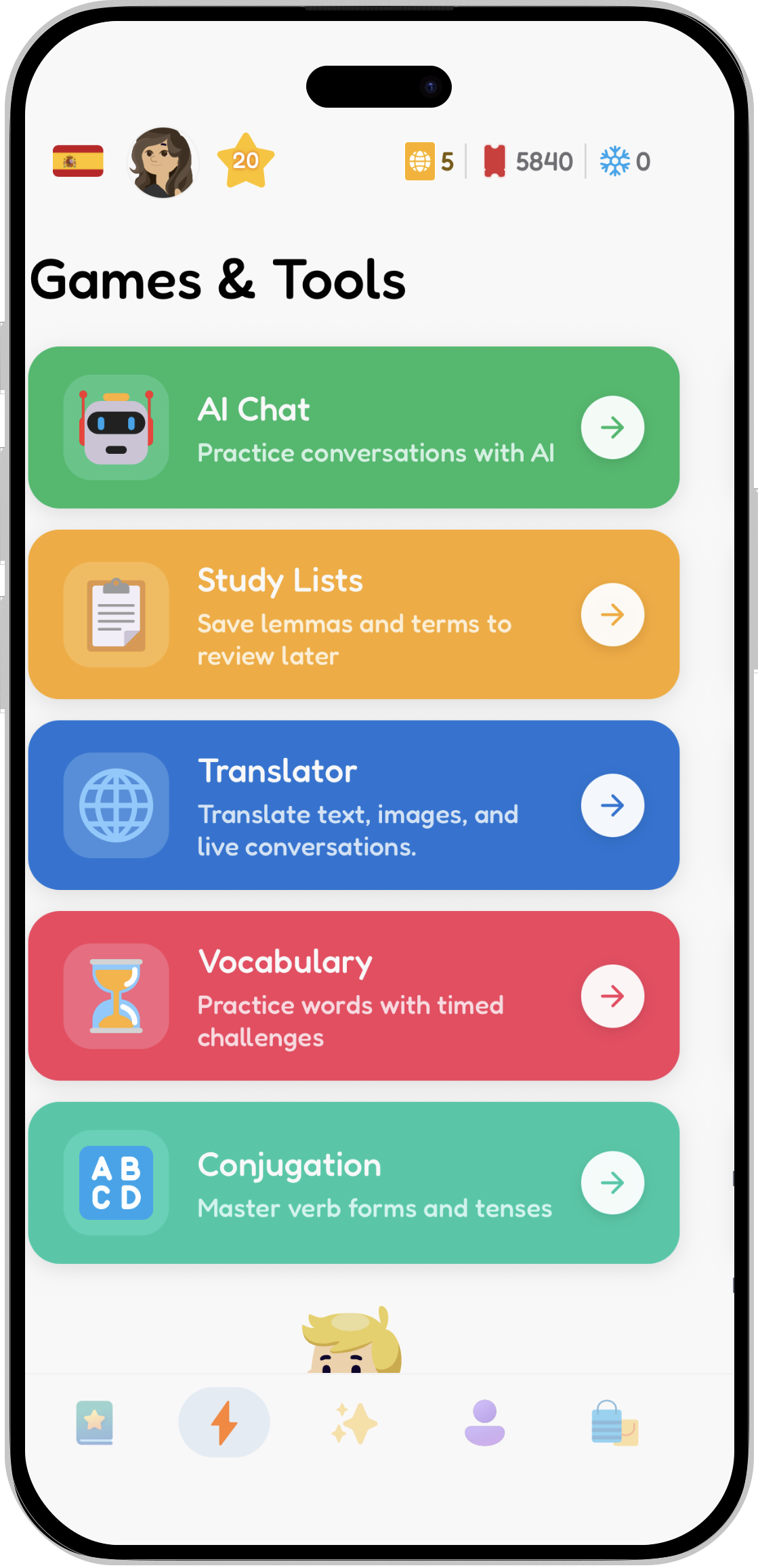
Games & Tools
Tools that every language learner needs at all stages of their learning journey.

AI Chat Tutor
Practice real conversations with an AI tutor that helps you speak with confidence.

Interactive Games
A variety of games to help you learn and remember new words and phrases.


Researchers from institutions such as Northwestern University, Penn State University, and the University of Ottawa have explored how language learning affects cognitive performance, memory, and even long-term brain health. Studies suggest that bilingual and multilingual individuals often develop stronger executive functioning skills, better attention control, and increased cognitive flexibility. (Northwestern University)
Beyond the scientific research, learning a language also creates opportunities for personal growth. It allows people to build friendships across cultures, experience foreign countries more authentically, and access books, films, music, and ideas that would otherwise remain unavailable. Language learning can also increase confidence and encourage lifelong curiosity.
This article explores the top 10 benefits of learning a language, from improving the brain to creating better career opportunities and expanding cultural awareness. Whether you are a student, traveler, professional, or lifelong learner, understanding these benefits may inspire you to begin — or continue — your own language learning journey.
1. Learning a Language Strengthens the Brain
One of the most widely discussed benefits of learning a language is its positive effect on the brain. Research has shown that bilingual individuals often demonstrate stronger attention control, improved problem-solving abilities, and greater mental flexibility. The brain constantly switches between languages, which acts as a form of mental exercise. (Northwestern University)
When a person practices another language, the brain forms new neural connections. This process supports memory development and cognitive performance. Scientists have compared language learning to a workout for the brain because it forces the mind to process information in new ways. The repeated practice of vocabulary, pronunciation, grammar, and conversation helps improve overall mental agility.
Some studies also suggest that bilingualism may contribute to cognitive resilience later in life. Researchers have explored connections between multilingualism and delayed symptoms of dementia, although the topic remains debated within the scientific community. (Penn State University)
Learning a language requires concentration, listening, reading, and speaking simultaneously. These activities challenge the brain and improve the ability to filter distractions and focus on important information. Because of this, many educators encourage language learning from a young age, although adults can still experience significant brain-related benefits from studying another language.
Additional reading:
2. Language Learning Improves Memory
Another major benefit of language learning is improved memory performance. Memorizing vocabulary, sentence structures, verb conjugations, and pronunciation patterns trains the brain to retain and retrieve information more efficiently.
People who study another language often become better at remembering lists, instructions, names, and details in everyday life. The repeated mental exercise involved in language practice strengthens working memory, which is the system responsible for temporarily holding and manipulating information.
The process of recalling words in different situations also strengthens long-term memory pathways in the brain. Every conversation, listening exercise, or reading activity reinforces neural connections that help information stay accessible over time.
Many learners notice improvements in:
- Recall speed
- Mental organization
- Listening retention
- Multitasking ability
- Concentration
Language learning is unique because it combines several mental activities at once. A learner may hear a phrase, translate its meaning, think about grammar, and respond verbally in real time. This constant interaction keeps the brain highly engaged.
Researchers have observed that bilingual individuals frequently perform well on tasks involving memory and attention control. (The University of Toledo Open Journals)
Additional reading:
3. Learning a Language Expands Career Opportunities
In today’s global economy, language skills can provide a significant professional advantage. Companies increasingly operate across international markets, making multilingual communication highly valuable.
Employees who speak more than one language may qualify for:
- International business roles
- Translation and interpretation work
- Diplomatic positions
- Tourism and hospitality careers
- International marketing opportunities
- Customer support positions
- Remote global jobs
Learning a language demonstrates discipline, adaptability, and communication skills — qualities that employers often value highly. Professionals who can negotiate, collaborate, or provide services in another language may stand out in competitive industries.
Languages such as Spanish, Mandarin Chinese, Arabic, French, German, Portuguese, and Japanese are especially useful in international commerce and trade. However, nearly any language can create specialized opportunities depending on the industry and region.
In addition to higher employability, multilingual professionals sometimes earn higher salaries due to the specialized nature of their communication abilities. Companies with global operations often seek workers who can bridge cultural and linguistic gaps.
Learning a language can also increase opportunities for:
- Studying abroad
- International internships
- Remote freelance work
- Global networking
Additional reading:
4. Language Learning Improves Cultural Understanding

Language and culture are deeply connected. When people learn another language, they also gain insight into the traditions, values, humor, history, and worldview of the people who speak it.
This cultural understanding is one of the most meaningful benefits of language learning. Instead of viewing another culture from the outside, learners begin to experience it more directly. Idioms, expressions, and social customs often reveal perspectives that cannot be fully translated into another language.
Learning a language encourages empathy and open-mindedness. It helps people appreciate diversity and communicate more respectfully with individuals from different backgrounds.
For example, someone studying Japanese may learn about honorific speech and social hierarchy, while someone learning Spanish may discover regional differences across Latin America and Spain. Every language contains unique cultural insights.
Language learning also improves the travel experience. Travelers who speak the local language often:
- Build stronger connections with locals
- Navigate more confidently
- Discover authentic experiences
- Understand cultural norms more easily
Research has shown that bilingual individuals may also develop stronger perspective-taking abilities and social awareness. (Penn State University)
Additional reading:
5. Learning a Language Boosts Confidence
Speaking another language can dramatically increase self-confidence. Successfully communicating in a non-native language is a major accomplishment that builds personal pride and resilience.
At first, language learning often feels uncomfortable. Learners make mistakes, forget words, and struggle with pronunciation. Over time, however, gradual progress creates a sense of achievement. Ordering food in another language, holding a conversation, or understanding a movie without subtitles can feel incredibly rewarding.
The confidence developed through language learning often extends into other areas of life. Learners become more comfortable with:
- Public speaking
- Social interaction
- Problem-solving
- Adapting to new environments
- Taking intellectual risks
Because language learning requires persistence, it also teaches patience and discipline. These qualities can strengthen both academic and professional performance.
Many people who once believed they were “bad at languages” eventually realize that consistent practice matters more than natural talent. This shift in mindset can encourage lifelong learning and personal growth.
Additional reading:
6. Language Learning Enhances Academic Performance
Students who learn another language often develop stronger academic skills overall. Research suggests that bilingual learners may demonstrate advantages in reading comprehension, problem-solving, and cognitive flexibility. (The University of Toledo Open Journals)
Learning a language strengthens understanding of grammar, sentence structure, and vocabulary. These skills can improve performance in writing and reading even in a learner’s native language.
Language study also supports:
- Analytical thinking
- Pattern recognition
- Listening skills
- Attention to detail
For younger learners, studying another language may contribute to stronger literacy development and increased academic confidence. Many schools encourage early language learning because children often absorb pronunciation and grammatical patterns more naturally at a young age.
However, adults can also benefit academically from language study. University students who learn another language frequently gain access to international research, foreign literature, and study abroad opportunities.
Learning a language can even improve understanding of subjects like history, geography, and sociology because language and culture are closely connected.
Additional reading:
7. Learning a Language Makes Travel More Rewarding

Travel becomes significantly more meaningful when people can communicate in the local language. Even basic language skills can transform the travel experience.
Instead of relying entirely on translation apps or tourist services, travelers who know the local language can:
- Ask for directions
- Read menus and signs
- Have conversations with residents
- Understand local customs
- Explore beyond tourist areas
Speaking another language often leads to warmer interactions with local communities. People generally appreciate when visitors make an effort to communicate in their native language, even imperfectly.
Language learning also improves travel safety and independence. Understanding transportation systems, emergency instructions, and cultural etiquette can reduce confusion and stress.
For many travelers, language learning creates a deeper emotional connection to the places they visit. Music, literature, humor, and daily conversations become more accessible and authentic.
Travelers who study a language before visiting another country often report greater confidence and more memorable experiences.
Additional reading:
8. Learning a Language Improves Communication Skills
Studying another language can improve communication skills in both the target language and the learner’s native language.
Language learners become more aware of:
- Tone
- Word choice
- Grammar
- Listening habits
- Nonverbal communication
This heightened awareness often leads to clearer and more thoughtful communication overall. Because language learners must actively interpret meaning, they tend to become stronger listeners.
Learning a language also teaches people how communication styles differ across cultures. Some cultures prioritize direct communication, while others emphasize politeness, formality, or indirect expression.
Multilingual individuals frequently develop greater sensitivity to context and audience. This skill can improve teamwork, leadership, and interpersonal relationships.
In professional environments, strong communication skills are essential for collaboration and problem-solving. Employees who can communicate across cultures and languages may contribute significantly to international teams.
Researchers have noted that bilingual individuals often become skilled at filtering irrelevant information and focusing on key communication cues. (Northwestern University)
Additional reading:
9. Language Learning Encourages Lifelong Learning
People who study another language often become lifelong learners. Language learning naturally inspires curiosity about history, literature, geography, culture, and global issues.
Once learners realize they can successfully acquire a new language, they often feel more motivated to pursue additional skills and knowledge. The process teaches persistence, adaptability, and intellectual curiosity.
Language learners commonly explore:
- International films
- Foreign books
- Global news
- Music and podcasts
- Cultural traditions
- World history
This ongoing exploration keeps the brain active and engaged throughout life. Many adults continue studying languages well into retirement because they enjoy the challenge and mental stimulation.
Lifelong learning is increasingly important in a rapidly changing world. The ability to learn continuously helps individuals adapt to new technologies, careers, and social environments.
Language learning also fosters humility because learners regularly encounter unfamiliar concepts and mistakes. This mindset encourages resilience and openness to growth.
Additional reading:
10. Learning a Language Connects People Around the World
Perhaps the greatest benefit of learning a language is the ability to connect with people from different backgrounds. Language creates relationships, friendships, and shared understanding across cultures.
When people speak another language, they can:
- Build international friendships
- Participate in global communities
- Understand different perspectives
- Collaborate across cultures
- Access international media and ideas
Language learning reduces barriers between people. It allows communication to move beyond translation and become more personal and meaningful.
In a world where misinformation and cultural misunderstandings can spread quickly, multilingual communication encourages empathy and global awareness. Learning a language reminds people that there are many ways to think, speak, and experience the world.
The internet has made international communication easier than ever. Through social media, online communities, remote work, and global education, language skills can open doors to relationships and opportunities across continents.
Even learning basic phrases in another language can demonstrate respect and willingness to connect with others.
Additional reading:
Frequently Asked Questions
Why is learning a language good for the brain?
Learning a language challenges the brain to process grammar, vocabulary, pronunciation, and conversation simultaneously. Research suggests that this mental exercise may improve memory, attention, and cognitive flexibility. (Northwestern University)
Can adults still benefit from learning a language?
Yes. Adults can experience many of the same benefits as younger learners, including improved brain activity, better communication skills, and expanded career opportunities. Adults may also appreciate the cultural and travel-related benefits even more deeply.
Which language is best to learn?
The best language depends on personal goals. Spanish is useful in the Americas, Mandarin is valuable for business, French is widely spoken internationally, and Japanese or Korean may appeal to learners interested in media and technology. Motivation is often more important than choosing the “perfect” language.
Does learning a language improve memory?
Yes. Language learning strengthens memory through repetition, recall, listening, and active communication. Many learners report improvements in concentration and information retention over time.
How long does it take to become fluent in a language?
Fluency depends on the language, study methods, consistency, and learning environment. Some learners reach conversational ability within months, while full fluency can take several years of regular practice.

Marc Bolh
Founding Partner
Applied AI