10 Common Japanese Phrases Every Learner Must Know in 2026

Welcome to your essential guide to navigating Japan with confidence! Learning a new language can feel like unlocking a secret world, and Japanese is no exception. While many start with a simple 'Konnichiwa,' true communication lies in understanding the context, culture, and nuances behind the words. This comprehensive list of common Japanese phrases is designed to take you far beyond the absolute basics. We'll explore foundational expressions that are not just words, but tools for building connections, showing respect, and handling everyday situations with ease.
Each entry is packed with practical details to ensure you use them correctly. You'll find the Japanese script (kanji/kana), romaji for easy pronunciation, literal translations to understand the core meaning, and crucial cultural insights. We also provide specific guidance on when to use formal or informal versions, which is a key aspect of Japanese communication. Whether you're planning a trip, starting a new job, or simply diving deep into the language, mastering these phrases is your first step toward authentic interaction.
As you embark on your Japanese journey, understanding the importance of efficient communication is critical. Learning these phrases is a powerful start, and exploring additional resources on navigating language barriers in Tokyo can further enhance your real-world experience. Our goal is to provide a structured, actionable guide that moves you from memorization to genuine understanding, transforming your Japanese skills from basic to brilliant. Let's get started.
Ready to Learn More?
Try PolyChat's interactive language learning games and put your new vocabulary to the test!
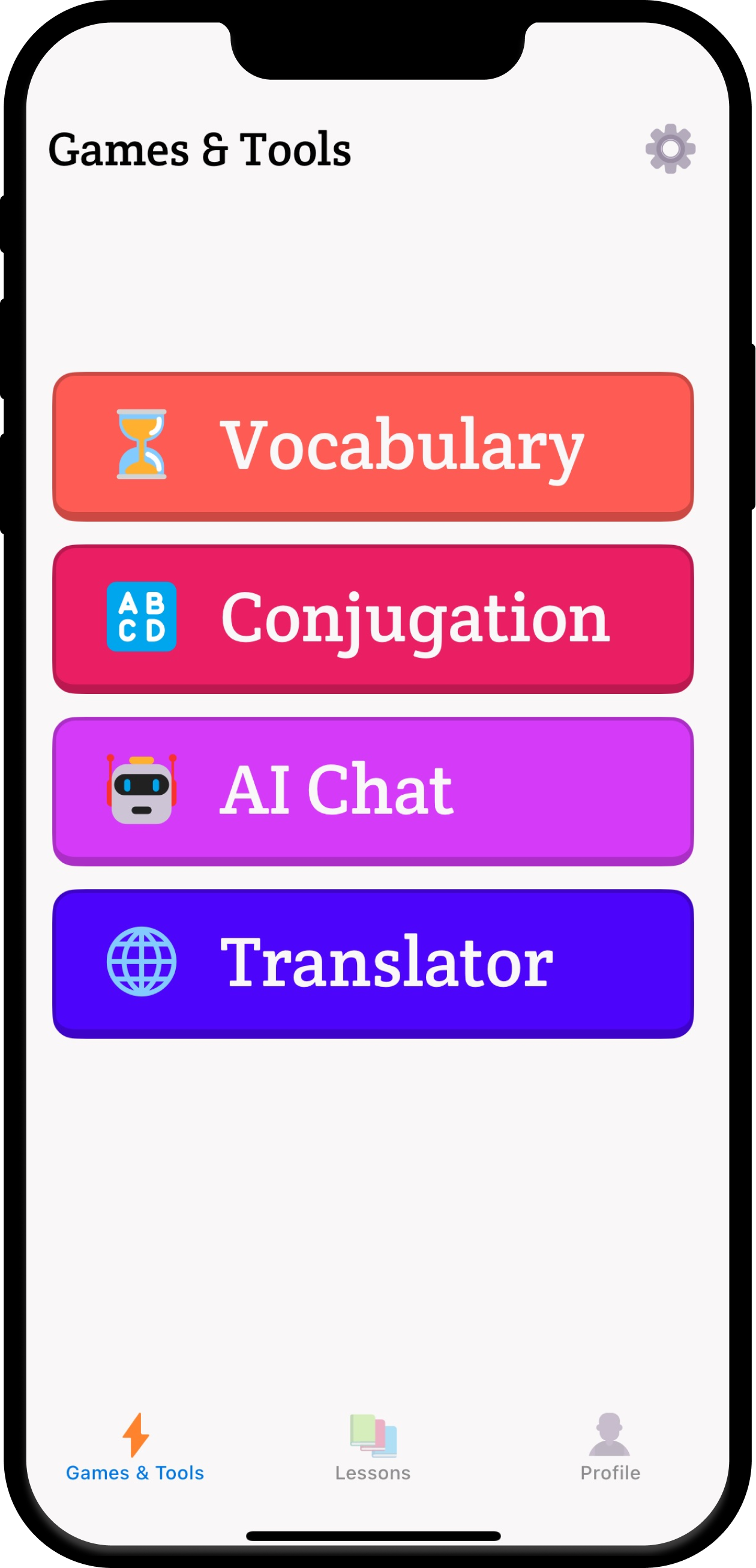
Games & Tools
Essential tools for every learner
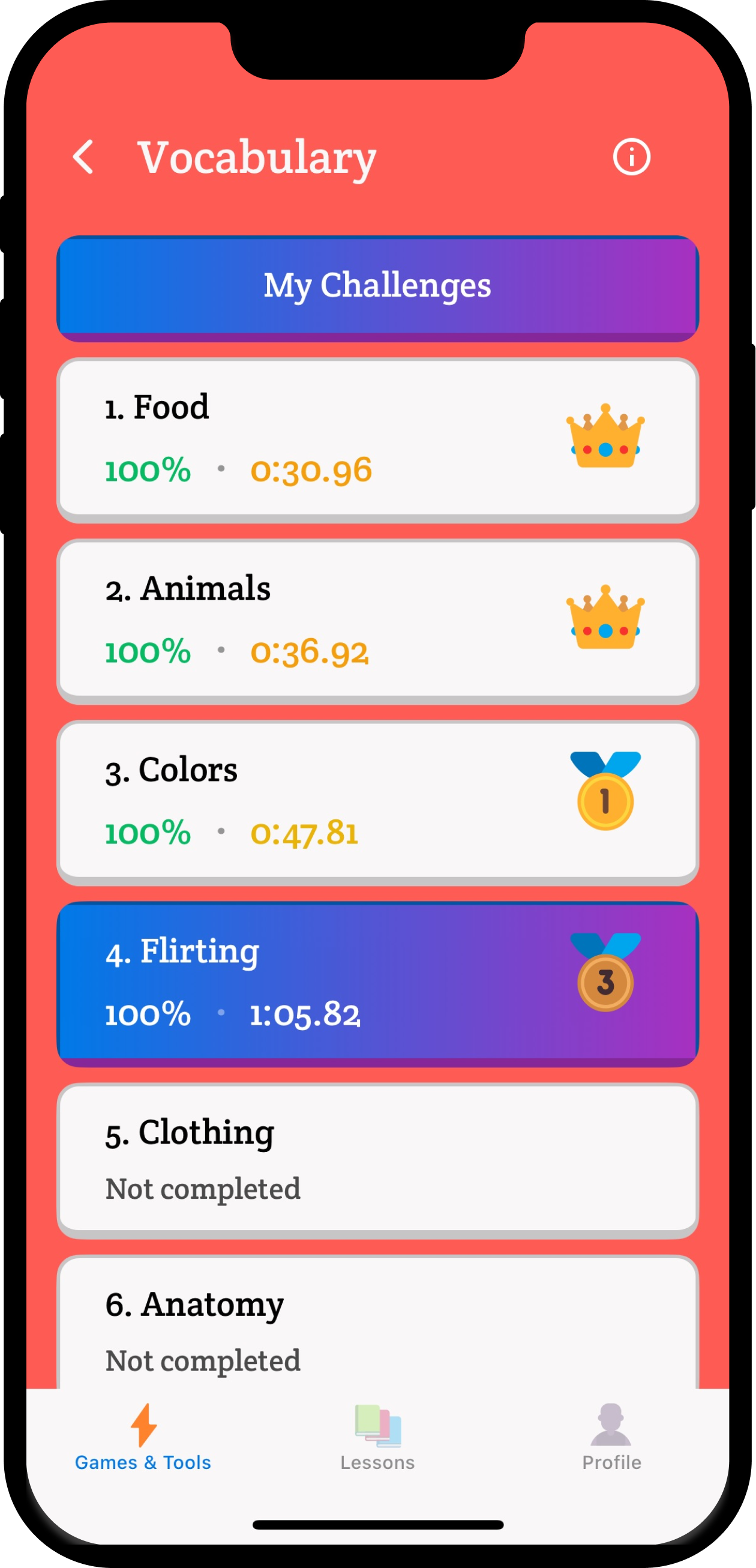
Timed Challenges
Practice vocabulary & conjugation
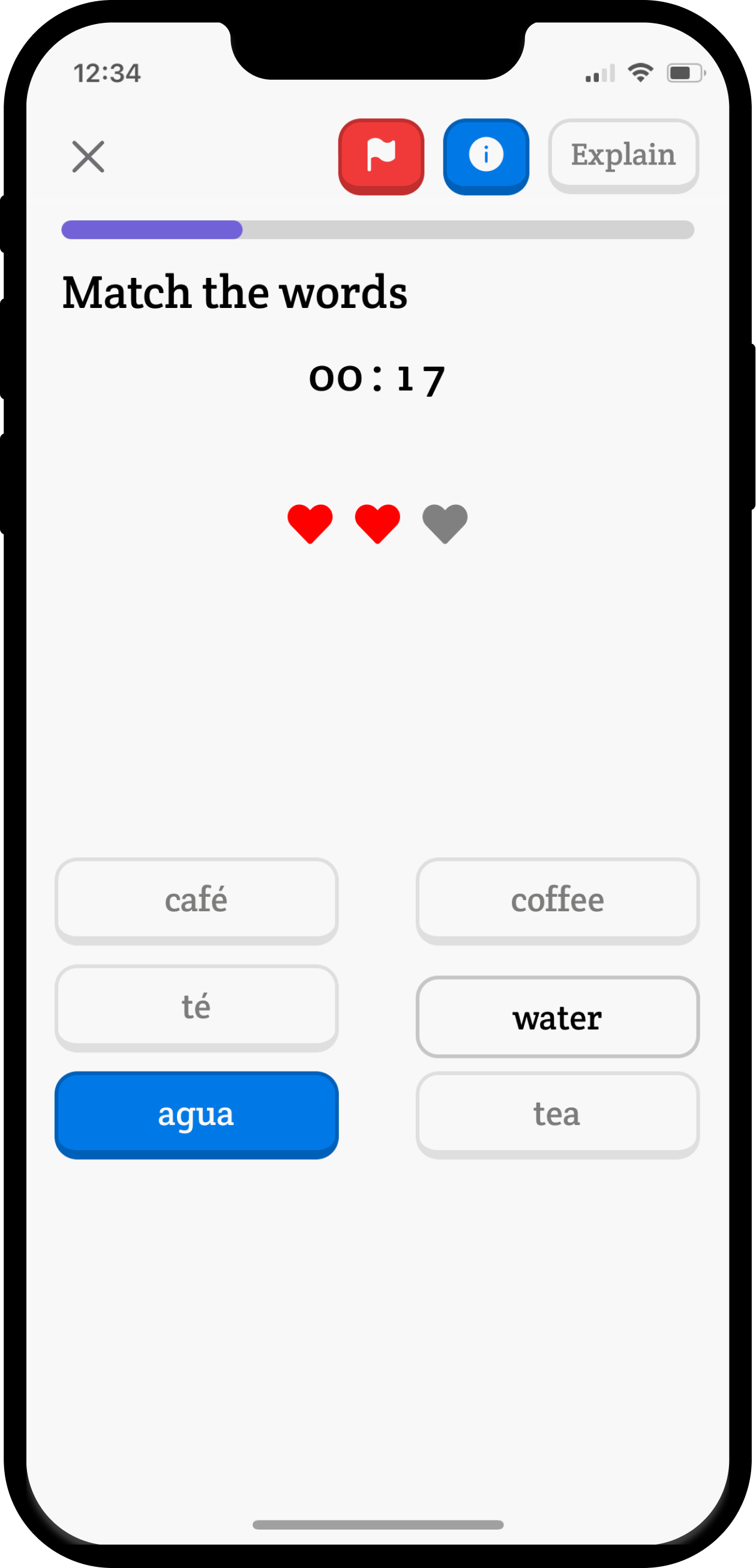
Interactive Games
Learn through engaging gameplay
1. Arigatou gozaimasu (ありがとうございます) - Thank you very much
If there is one phrase that forms the bedrock of polite Japanese society, it is arigatou gozaimasu. This is the standard, formal way to express gratitude and is an absolutely essential part of any list of common Japanese phrases. It's composed of arigatou (thank you) and gozaimasu, a polite suffix that elevates the respect shown to the listener. Using this phrase demonstrates an understanding of the cultural importance of showing appreciation.

Situational Usage: Formal vs. Informal
The key to using this phrase correctly is understanding context. While arigatou gozaimasu is a safe and respectful choice for most situations, you will hear variations.
- Arigatou gozaimasu (ありがとうございます): Use this with strangers, store clerks, teachers, superiors at work, or anyone to whom you want to show respect. It’s the default polite form.
- Arigatou (ありがとう): This is the casual form, reserved for close friends, family, and peers. Using it with a stranger might seem overly familiar or even slightly rude.
- Doumo arigatou gozaimasu (どうもありがとうございます): Adding doumo adds emphasis, making it an even more polite "Thank you very much indeed."
Practical Examples
- Receiving a compliment: 褒めてくれてありがとうございます。(Homete kurete arigatou gozaimasu.) - Thank you for the compliment.
- After receiving help: 助けてくれてありがとうございます。(Tasukete kurete arigatou gozaimasu.) - Thank you for helping me.
- Past Tense Gratitude: 昨日はありがとうございました。(Kinou wa arigatou gozaimashita.) - Thank you for yesterday. (Used to thank someone for something they did in the past).
Quick Practice Tips
Mastering this phrase goes beyond simple memorization. Focus on pronunciation and intonation to sound natural. For a deeper dive into effective memorization techniques, find out more about the best ways to learn vocabulary on Polychat's blog. Combine arigatou gozaimasu with a slight bow to fully embrace the cultural context of showing thanks in Japan.
2. Sumimasen (すみません) - Excuse me / I'm sorry
If arigatou gozaimasu is the bedrock of gratitude, then sumimasen is the Swiss Army knife of Japanese social interaction. Its versatility makes it one of the most useful and common Japanese phrases you will ever learn. While it translates to "excuse me" or "I'm sorry," its core meaning is closer to "this is not settled," implying a sense of social indebtedness. This single word can be used to apologize, get someone's attention, or even to say thank you.

Situational Usage: A Phrase for All Occasions
The power of sumimasen lies in its adaptability. Understanding its different uses is crucial for navigating daily life in Japan.
- Getting Attention: Use it to call a waiter in a restaurant, stop someone on the street for directions, or signal you need to get past someone on a crowded train. In these cases, it functions like "Excuse me."
- Apologizing: This is its most direct translation. Use it for minor mistakes like bumping into someone or being slightly late. For more serious apologies, a deeper phrase like gomen nasai (ごめんなさい) or moushiwake gozaimasen (申し訳ございません) is more appropriate.
- Expressing Gratitude: Sometimes, sumimasen is used to thank someone for going out of their way, acknowledging the trouble they took. It's like saying, "I'm sorry for the inconvenience, thank you."
Practical Examples
- Getting a waiter's attention: すみません、注文をお願いします。(Sumimasen, chuumon o onegai shimasu.) - Excuse me, I'd like to order.
- Apologizing for being late: 遅くなってすみません。(Osoku natte sumimasen.) - I'm sorry for being late.
- Asking for help: すみませんが、手伝ってくれませんか?(Sumimasen ga, tetsudatte kuremasen ka?) - Excuse me, but could you help me?
Quick Practice Tips
Pay close attention to your intonation: a rising tone is used for getting attention, while a flat or falling tone is used for apologies. For a sincere apology, you can use the past tense: すみませんでした (sumimasen deshita). Because this phrase is so context-dependent, practicing it in different scenarios is key. You can discover how to improve speaking skills by using interactive tools that simulate these real-world conversations, helping you build confidence with this essential phrase.
3. Ohayou gozaimasu (おはようございます) - Good morning
Starting the day with the right greeting is fundamental in Japan, and ohayou gozaimasu is the phrase that sets a positive and respectful tone. This is the standard, formal way to say "good morning" and is an indispensable part of any vocabulary list of common Japanese phrases. It's typically used from sunrise until around 10 or 11 AM. The phrase is built from ohayou (an adjective derived from hayai, meaning early) and the polite suffix gozaimasu, making it a courteous and essential greeting.
Situational Usage: Formal vs. Informal
The time of day and your relationship with the person you're speaking to are crucial for using this greeting correctly. Understanding the distinction between its formal and casual forms is key to navigating daily interactions naturally and politely.
- Ohayou gozaimasu (おはようございます): This is the formal version. Use it when greeting teachers, superiors at work, colleagues, store staff, or anyone older than you. It's the default choice for professional settings and demonstrates respect.
- Ohayou (おはよう): This is the casual, shortened version. It is reserved for close friends, family members, and sometimes peers in a very relaxed setting. Using it with a superior would be considered too informal.
Practical Examples
- Arriving at the office: おはようございます。今日も一日頑張りましょう。(Ohayou gozaimasu. Kyou mo ichinichi ganbarimashou.) - Good morning. Let's do our best again today.
- Greeting family at breakfast: おはよう。よく眠れた? (Ohayou. Yoku nemureta?) - Morning. Did you sleep well?
- Video call with a teacher: 先生、おはようございます。(Sensei, ohayou gozaimasu.) - Good morning, teacher.
Quick Practice Tips
Beyond just saying the words, mastering the delivery will make you sound more fluent. Remember that this phrase is almost exclusively used in the morning; using it in the afternoon would be incorrect. To perfect your pronunciation, try recording yourself saying both the formal and informal versions. For building a consistent learning habit, you can use Polychat’s daily practice routines to integrate this and other common Japanese phrases into your everyday study schedule.
4. Itadakimasu (いただきます) - Said before eating / I humbly receive
More than just a simple "bon appétit," itadakimasu is a deeply ingrained cultural expression of gratitude said before every meal. Its literal meaning, "I humbly receive," encapsulates a sense of appreciation for everyone and everything involved in bringing the food to the table, from the farmers and fishers to the person who cooked the meal. This phrase is a cornerstone of Japanese etiquette and one of the most common Japanese phrases you'll encounter daily.

Situational Usage: A Universal Custom
Unlike phrases that change drastically based on formality, itadakimasu is used universally before eating, regardless of the setting. The key difference lies in the action and the context surrounding it.
- Casual Setting (Family Dinner): At home, family members will often say itadakimasu together, sometimes with hands clasped, before starting their meal. It’s a moment of shared gratitude.
- Formal Setting (Business Lunch): In a more formal context, such as a business meal, saying itadakimasu clearly and politely shows respect to your host and the establishment. It's often accompanied by a slight bow of the head.
- Alone: Even when eating alone, it is customary for many Japanese people to say itadakimasu quietly to themselves.
Practical Examples
- At a restaurant before a meal: (手を合わせて) いただきます。(Te o awasete, itadakimasu.) - (With hands together) I gratefully receive this meal.
- The bookend phrase (after eating): ごちそうさまでした。(Gochisousama deshita.) - Thank you for the meal. This is said after finishing to express thanks once again.
- Responding to someone serving you: After someone places a dish in front of you, you can nod and say いただきます (itadakimasu) as you prepare to eat.
Quick Practice Tips
To use itadakimasu authentically, practice saying it with hands clasped lightly and a small, respectful nod. This phrase is almost always paired with its counterpart, gochisousama deshita (ごちそうさまでした), which is said after the meal is finished. Learning these two together is essential for proper dining etiquette in Japan. Try using Polychat’s cultural context lessons to explore the deeper Buddhist origins and values behind this beautiful custom.
5. Konnichiwa (こんにちは) - Hello / Good afternoon
Perhaps the most universally recognized of all common Japanese phrases, konnichiwa is the quintessential daytime greeting. While often translated simply as "hello," it specifically means "good afternoon" and is most appropriately used from late morning (around 10 or 11 AM) until the sun begins to set. Interestingly, while it's the first greeting many learners encounter, its usage is more nuanced than it first appears, making it essential to understand the context to sound natural.
Situational Usage: Timing is Everything
The key to using konnichiwa correctly is understanding its place among other time-specific greetings. Native speakers often prefer a more precise greeting for the time of day, making konnichiwa the go-to for the broad "afternoon" period.
- Konnichiwa (こんにちは): The standard greeting for the afternoon. Use it when meeting a classmate, greeting a shopkeeper, or any general encounter between roughly 11 AM and 5 PM.
- Ohayou gozaimasu (おはようございます): This means "Good morning" and is used before konnichiwa time.
- Konbanwa (こんばんは): This means "Good evening" and is used after the sun sets. Sticking to konnichiwa late at night would sound strange.
Practical Examples
- Greeting a shopkeeper in the afternoon: こんにちは。 (Konnichiwa.) - A simple "Hello" as you enter is perfectly polite.
- Meeting a colleague at lunch: 田中さん、こんにちは。 (Tanaka-san, konnichiwa.) - Adding the person's name makes it more personal and natural.
- A more complete greeting: こんにちは、お元気ですか? (Konnichiwa, o-genki desu ka?) - Hello, how are you?
Quick Practice Tips
To move beyond a beginner's level, it's crucial to master the contextual use of greetings. Practice distinguishing when to use konnichiwa versus ohayou or konbanwa. For a structured way to practice these real-world conversation scenarios, explore the best language learning apps for adults that offer interactive modules. Combining the phrase with a friendly nod or a slight bow will also help your greeting feel more authentic.
6. Wakarimashita (わかりました) - I understand
Active listening is a vital part of communication, and in Japanese, wakarimashita is the key phrase that signals comprehension and engagement. It directly translates to "I understood" or "I understand," and its use is fundamental in confirming you are following a conversation, instructions, or explanation. Using this phrase shows the speaker you are present and receptive, making your interactions smoother and more respectful.
Situational Usage: Formal vs. Informal
Just like with expressions of gratitude, the politeness level of wakarimashita changes based on who you are speaking to. Choosing the correct form is crucial for navigating social and professional settings appropriately.
- Wakarimashita (わかりました): This is the standard polite form, appropriate for most daily interactions. Use it with teachers, colleagues, store staff, or anyone you would speak to formally. It is a reliable and safe choice.
- Wakatta (わかった): This is the casual, plain form used with close friends, family, and peers. It can sound abrupt or overly familiar if used with a superior or a stranger.
- Wakarimasen (わかりません): This is the polite negative form, meaning "I don't understand." It is an essential counterpart to learn alongside the affirmative versions.
Practical Examples
- In a class, after a teacher gives instructions: 先生、わかりました。(Sensei, wakarimashita.) - Teacher, I understand.
- Following directions from a local: わかりました、まっすぐ行きます。(Wakarimashita, massugu ikimasu.) - Understood, I'll go straight.
- Acknowledging an important point in a conversation: そうですか…わかりました。(Sou desu ka... wakarimashita.) - Is that so... I understand.
- Confirming a task at work: はい、わかりました。やってみます。(Hai, wakarimashita. Yatte mimasu.) - Yes, understood. I will try to do it.
Quick Practice Tips
Beyond memorizing the word, practice using it as a natural response in conversation. Its timing is key to showing you're engaged. To master this and other common Japanese phrases, try using Polychat's interactive conversation challenges, which help you practice real-time responses. Also, learn to combine wakarimashita with follow-up questions if you only partially understand, such as, "Wakarimashita, demo..." (I understand, but...).
7. Yoshi! (よし!) - Alright! / Let's do it!
More than just a word, yoshi! is a burst of energy and determination captured in a single exclamation. This common Japanese phrase is an interjection used to express readiness, resolve, or encouragement right before starting an action. It's the verbal equivalent of a fist pump, a powerful tool for self-motivation or for psyching up a team, and embodies the cultural spirit of ganbare (perseverance).
Situational Usage: Expressing Determination
The power of yoshi! lies in its ability to mark a mental shift from contemplation to action. It’s used to galvanize oneself or others, making it incredibly versatile in everyday life.
- Self-Motivation: Use it when you're about to tackle a challenging task, whether it's a difficult project at work, a workout, or a study session. It’s a way of telling yourself, "Okay, I'm ready. Let's do this."
- Encouraging a Group: In team settings like sports or collaborative projects, a collective "yoshi!" can unify the group and build momentum before starting.
- Signaling Completion/Agreement: It can also be used to signify that a preparation phase is over and it's time to begin. For example, after double-checking your ingredients before cooking, you might say "yoshi!" to signal you're ready to start.
Practical Examples
- Before starting a workout: よし!頑張ろう! (Yoshi! Ganbarou!) - Alright! Let's do our best!
- Beginning a difficult task: これは難しいですね…よし! (Kore wa muzukashii desu ne... yoshi!) - This is difficult... alright, let's do it!
- Motivating yourself to study: 今日も日本語を勉強する、よし! (Kyou mo nihongo wo benkyou suru, yoshi!) - Today I'll study Japanese too, alright!
Quick Practice Tips
To use yoshi! authentically, connect it with an action. Pair it with a physical gesture like a small nod or a fist pump to truly capture its energetic spirit. Try starting your daily language lessons on Polychat with a hearty "yoshi!" to build a motivational ritual. You can set a goal like, "Yoshi! Kyou wa 100 mondai yaru zo!" (Alright! I'll do 100 problems today!) and use the app's progress tracking to celebrate those moments of achievement.
8. Daijoubu desu ka? (大丈夫ですか?) - Are you okay? / Is it alright?
This versatile phrase is a cornerstone of empathetic communication in Japan, demonstrating the cultural value placed on consideration for others. Daijoubu desu ka? can be used to express genuine concern for someone's well-being or to politely seek permission and confirmation. Its meaning is heavily influenced by context and intonation, making it a powerful and common Japanese phrase to master for nuanced conversation.
Situational Usage: Concern vs. Permission
Understanding the dual nature of daijoubu desu ka? is crucial for using it correctly. A rising intonation at the end typically signals a question of concern, while a flatter tone is used for seeking permission.
- Daijoubu desu ka? (大丈夫ですか?): Use this formal phrase to check on a colleague who looks unwell, someone who has stumbled, or a friend who seems upset. It's a polite and caring way to ask, "Are you okay?"
- Daijoubu? (大丈夫?): The casual version, perfect for asking friends and family if they are alright. Using the formal version in a very casual setting might sound a bit distant.
- Daijoubu desu. (大丈夫です。): This is the standard polite response, meaning "I'm okay" or "It's alright." A simple daijoubu is the casual equivalent.
Practical Examples
- Showing concern for someone who fell: 大丈夫ですか?怪我はありませんか?(Daijoubu desu ka? Kega wa arimasen ka?) - Are you okay? Are you injured?
- Asking for permission to take a picture: ここで写真を撮っても大丈夫ですか?(Koko de shashin o totte mo daijoubu desu ka?) - Is it okay to take a picture here?
- Confirming if a time works for someone: 明日の10時は大丈夫ですか?(Ashita no juuji wa daijoubu desu ka?) - Is 10:00 tomorrow okay for you?
Quick Practice Tips
Pay close attention to intonation. A rising tone turns the phrase into a question of concern, while a more level tone makes it a request for confirmation. Practice responding with daijoubu desu, arigatou gozaimasu (I'm fine, thank you) to show appreciation for the concern. For authentic practice, use Polychat’s real-world scenario conversations to master the subtle differences in tone and context, ensuring your use of this essential phrase is always culturally appropriate.
9. Otsukaresama deshita (お疲れ様でした) - Thank you for your hard work
Navigating the nuances of Japanese workplace etiquette is impossible without understanding otsukaresama deshita. This versatile phrase is a cornerstone of professional communication, used to acknowledge mutual effort and hard work. While it literally translates to something like "you must be tired," its meaning is closer to "thank you for your hard work" or "good work today." It fosters a sense of shared accomplishment and camaraderie among colleagues.

Situational Usage: A Phrase for Every Occasion
Unlike many other phrases, otsukaresama deshita has multiple forms and can be used throughout the workday, from start to finish. It’s not just for saying goodbye; it’s a greeting, an acknowledgment, and a sign of respect.
- Otsukaresama desu (お疲れ様です): The present tense form. Use this when you greet a coworker in the hallway, answer the phone, or see them working hard. It’s a versatile, all-purpose version.
- Otsukaresama deshita (お疲れ様でした): The past tense form. This is typically used at the end of the day when leaving the office or after a specific task or project has been completed.
- Otsukare (お疲れ): A very casual version used only with close colleagues or friends in an informal work setting. Be cautious using this, as it can sound too familiar with superiors.
Practical Examples
- Leaving the office for the day: お先に失礼します。お疲れ様でした。(Osaki ni shitsurei shimasu. Otsukaresama deshita.) - I'm leaving now. Thank you for your hard work.
- After a colleague finishes a presentation: プレゼン、お疲れ様でした。(Purezen, otsukaresama deshita.) - Great job on the presentation.
- Greeting a coworker in the morning: おはようございます。今日も一日お疲れ様です。(Ohayou gozaimasu. Kyou mo ichinichi otsukaresama desu.) - Good morning. Thank you in advance for your hard work today.
Quick Practice Tips
Remember that otsukaresama deshita is about acknowledging effort, while arigatou gozaimasu is for expressing gratitude for a favor or gift. This distinction is crucial in professional settings. Pairing this phrase with a slight nod or bow enhances the gesture of respect. Mastering its use is a key step in sounding natural and culturally aware in a Japanese workplace.
10. Nani? (何?) - What? / Excuse me?
In any real-world conversation, moments of confusion or mishearing are inevitable. That's where nani? becomes an indispensable tool for learners. This simple word, meaning "what?", is one of the most fundamental common Japanese phrases for seeking clarification. It allows you to navigate conversations confidently, ensuring you understand what's being said without fear of miscommunication.
Situational Usage: Formal vs. Informal
The directness of nani? can come across as abrupt or even rude depending on the context. Understanding the polite variations is crucial for maintaining respectful communication, especially with strangers or superiors.
- Nani? (何?): This is the most casual form. It's perfectly fine to use with close friends and family, often with a rising intonation to show you didn't hear something. Be cautious using this with strangers, as it can sound blunt.
- Nan desu ka? (何ですか?): This is the standard polite equivalent. Adding desu ka transforms the blunt "what?" into a more respectful "What is it?" or "Excuse me?". This is your go-to choice in most formal or public situations.
- Shitsurei desu ga, nan desu ka? (失礼ですが、何ですか?): For maximum politeness, you can preface the question with shitsurei desu ga ("Pardon me, but..."). This is ideal for very formal settings or when interrupting someone.
Practical Examples
- When you didn't hear clearly: え、何?もう一度言ってください。(E, nani? Mou ichido itte kudasai.) - Huh, what? Could you please say that again?
- Expressing surprise or shock: 何!?本当ですか?(Nani!? Hontou desu ka?) - What!? Is that really true?
- Asking for clarification (polite): すみません、何と言いましたか?(Sumimasen, nan to iimashita ka?) - Excuse me, what did you say?
Quick Practice Tips
Beyond just knowing the word, practice using it to keep conversations flowing smoothly. Focus on a rising intonation to signal genuine confusion rather than accusation. A great strategy is to learn follow-up phrases like mou ichido itte kudasai (please say it one more time) to use immediately after asking for clarification. Combining it with an apology, such as sumimasen (excuse me), further softens the request and shows politeness.
10 Common Japanese Phrases Comparison
| Phrase | 🔄 Complexity (process/nuance) | ⚡ Practice effort (speed/efficiency) | ⭐ Expected outcome (effectiveness) | 📊 Ideal use cases (results/impact) | 💡 Key advantage / Tip |
|---|---|---|---|---|---|
| Arigatou gozaimasu (ありがとうございます) | Medium — polite/keigo nuance | Low — frequent use, some pronunciation practice | ⭐⭐⭐⭐⭐ — high politeness impact | Professional thanks, formal meetings, customer interactions | Foundational polite thanks; learn pitch accent |
| Sumimasen (すみません) | Medium — multi‑functional, intonation matters | Medium — practice tones and contexts | ⭐⭐⭐⭐⭐ — extremely practical & versatile | Apologizing, getting attention, requesting help, travel | Very versatile; vary intonation for meaning |
| Ohayou gozaimasu (おはようございます) | Low — time‑specific morning formality | Low — easy to memorize & use | ⭐⭐⭐⭐ — builds workplace rapport | Morning greetings at work, school, calls | Use correct time window; learn casual form too |
| Itadakimasu (いただきます) | Low — ritual phrase before meals | Low — context‑specific, easy to adopt | ⭐⭐⭐⭐ — strong cultural immersion cue | Dining etiquette, family meals, restaurants | Pair with "gochisousama deshita" after meals |
| Konnichiwa (こんにちは) | Low — general daytime greeting | Low — commonly learned early | ⭐⭐⭐⭐ — useful for daytime interactions | Casual/stranger greetings from late morning to early evening | Good confidence builder; learn time‑specific alternatives |
| Wakarimashita (わかりました) | Medium — tense & politeness variants | Medium — practice conjugations & usage | ⭐⭐⭐⭐ — signals comprehension & engagement | Classroom, instructions, meetings, confirmations | Learn formal/casual/negative forms for nuance |
| Yoshi! (よし!) | Low — informal interjection, context sensitive | Low — quick to adopt with gesture | ⭐⭐⭐ — motivational and situational | Sports, starting tasks, self‑motivation, casual encouragement | Use with gesture (fist pump); avoid in formal settings |
| Daijoubu desu ka? (大丈夫ですか?) | Medium — intonation changes meaning | Medium — practice tone & appropriate responses | ⭐⭐⭐⭐ — supports empathetic communication | Checking wellbeing, asking permission, confirming plans | Master rising vs. flat intonation; learn common replies |
| Otsukaresama deshita (お疲れ様でした) | Medium — workplace hierarchy nuance | Medium — learn context and recipient rules | ⭐⭐⭐⭐ — strengthens workplace harmony | End of day, project completion, professional farewells | Use in professional settings; pair with bowing |
| Nani? (何?) | Low — simple but can be rude if casual | Low — learn polite variants and tone | ⭐⭐⭐ — effective for quick clarification | Asking to repeat, expressing surprise, clarifying info | Prefer polite forms in formal contexts (nan desu ka?) |
Turn Your Knowledge into Fluency: What's Next?
Congratulations on making it through this comprehensive guide to essential Japanese phrases! You've now equipped yourself with more than just a list of words; you've gained a foundational understanding of the cultural context and situational nuances that bring the Japanese language to life. From the formal gratitude of Arigatou gozaimasu to the versatile politeness of Sumimasen, these expressions are the bedrock of daily interaction in Japan.
You've learned that a simple phrase like Itadakimasu is a profound expression of respect and gratitude for the food you are about to receive. You've seen how Otsukaresama deshita builds camaraderie in the workplace, acknowledging mutual effort. This is the true power of learning a language: it’s not just about memorization, but about connection and cultural immersion. The common japanese phrases you've explored are your first and most important bridge to deeper communication.
From Memorization to Mastery
The journey doesn't end here. Acquiring knowledge is the first crucial step, but turning that knowledge into instinctual, fluent speech is the next great adventure. The key is to move from passive learning (reading lists) to active, dynamic practice. How can you ensure phrases like Daijoubu desu ka? or Wakarimashita roll off your tongue naturally in a real conversation?
The answer lies in consistent, contextual, and engaging practice. Here are actionable next steps to transition from a learner to a confident speaker:
-
Create Your Own Scenarios: Don't just repeat the phrases. Imagine real-life situations where you would use them. Picture yourself at a restaurant saying Itadakimasu, or bumping into someone and immediately using Sumimasen. This mental rehearsal builds powerful neural pathways.
-
Focus on Listening and Repetition: Find Japanese media like anime, dramas, or podcasts. Listen for the phrases you've learned. When you hear Nani? or Yoshi!, pause and repeat it, trying to match the speaker's intonation and emotion. This attunes your ear to the natural rhythm of the language.
-
Practice with Contextual Variations: Remember that the formality of Japanese is key. Challenge yourself to think about when you would use the formal Ohayou gozaimasu versus a more casual Ohayou with friends. Understanding this distinction is a sign of advancing proficiency.
Embracing the Mindset of a Language Learner
One of the most powerful phrases on our list is Yoshi! (よし!). This isn't just a word; it's an expression of determination and positive energy. Adopt this mindset in your language learning journey. Every time you practice, every small victory, every new phrase you master is a reason to say, "Yoshi! Let's do this!"
Key Takeaway: True fluency is achieved when you stop translating in your head and start feeling the meaning behind the words. Phrases like Otsukaresama deshita aren't just "thank you for your hard work"; they are a feeling of shared accomplishment. Aim to internalize these feelings.
By consistently practicing these common japanese phrases, you are not just learning to speak; you are learning to navigate Japanese culture with respect and understanding. You are building the confidence to explore, connect, and engage with people on a more meaningful level. This foundation will make every future step of your Japanese language journey more rewarding and successful.
Ready to turn these foundational phrases into conversational confidence? Polychat offers gamified, interactive exercises that make practice feel like play, helping you master vocabulary, conjugation, and real-world scenarios without limits. Start your journey from knowledge to true fluency by downloading the app today.
Related Posts
A Practical Guide to Using Commands in Spanish
Master commands in Spanish with this practical guide. Learn formal, informal, and irregular command forms to speak Spanish confidently in any situation.
Read moreHow Interactive Games are Transforming Cultural & Travel Content
Discover how embedding interactive language games can double your website's engagement, lower bounce rates, and turn passive readers into active participants.
Read moreHow to Say Goodbye in Spanish Like a Native Speaker
Learn how to say goodbye in Spanish beyond just 'adiós'. Master casual, formal, and regional farewells to sound natural in any conversation.
Read more