Top Apps Like Duolingo for Travel in 2026

Look, we all know Duolingo. For millions, it's the gateway to a new language, and its game-like feel is addictive. But when you’ve got a flight booked, does it actually prepare you for the real world? The truth is, apps like Duolingo for travel need to do more than teach you random words—they need to get you conversation-ready, fast.
Ready to Learn More?
Try PolyChat's interactive language learning games and put your new vocabulary to the test!
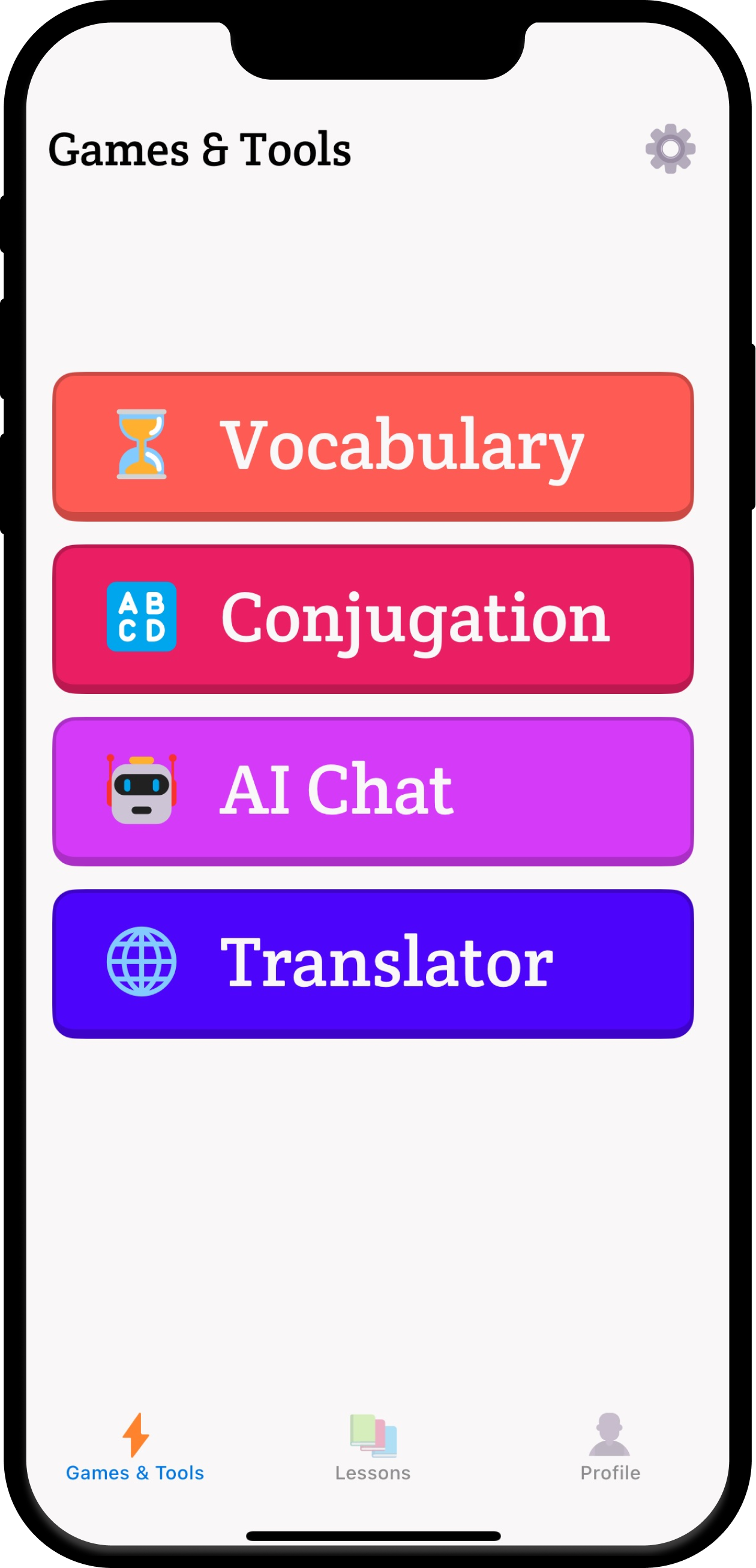
Games & Tools
Essential tools for every learner
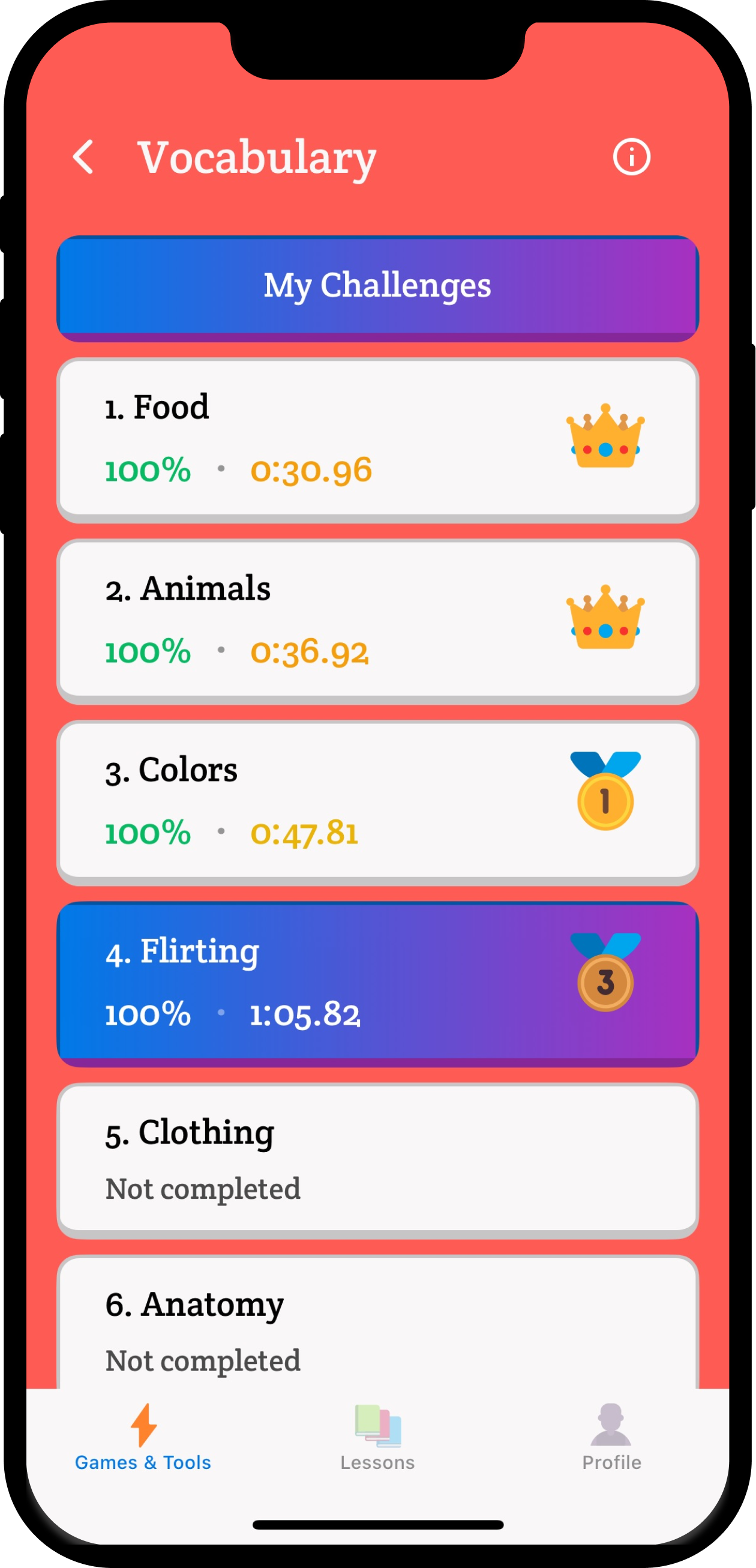
Timed Challenges
Practice vocabulary & conjugation
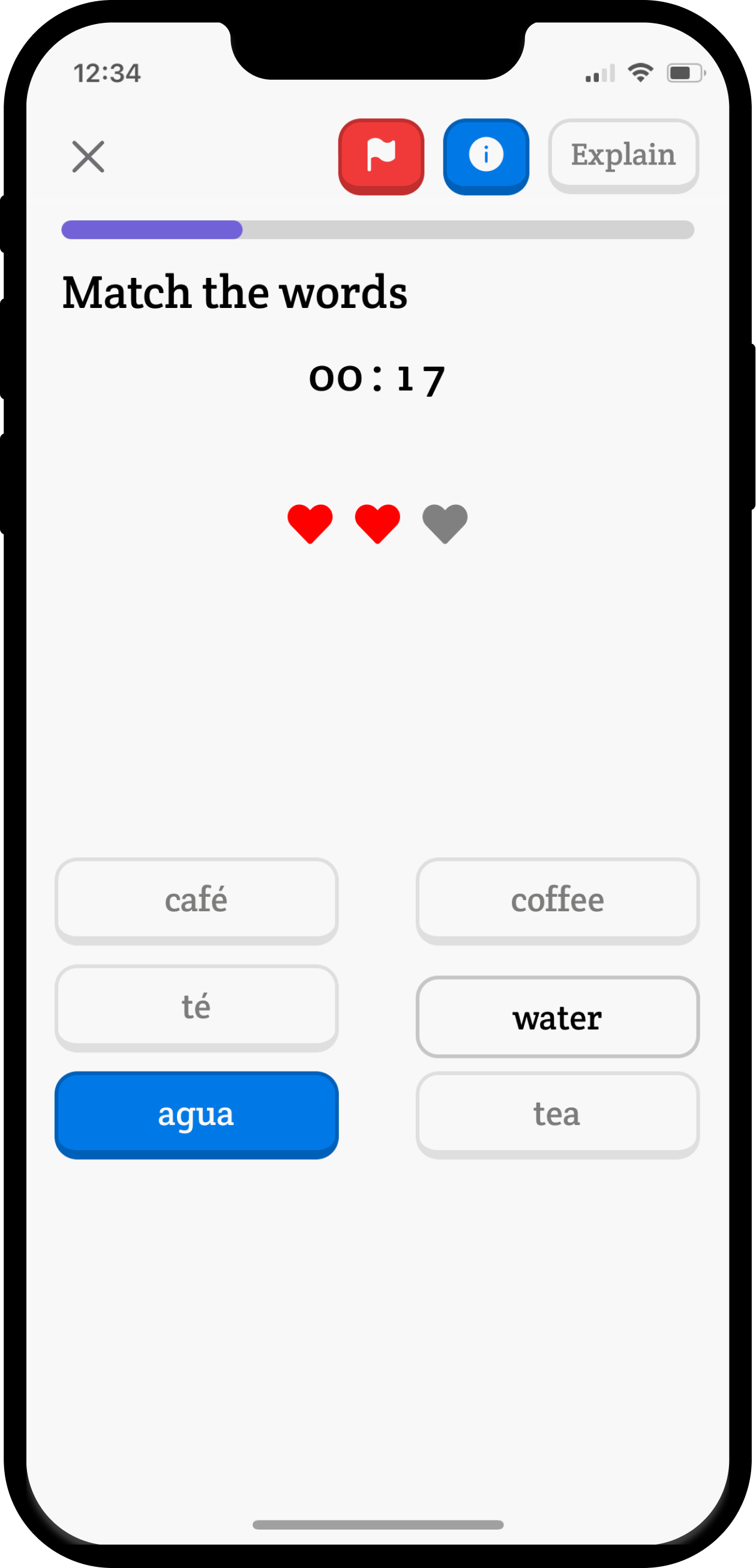
Interactive Games
Learn through engaging gameplay
Why Travelers Need More Than Gamified Lessons
Duolingo has done a masterful job of getting people to open a language app daily. But for a traveler on a deadline, that familiar system can be a real source of frustration. When you're trying to cram essential phrases before a trip, the last thing you want is a "heart" system that stops you from practicing just because you made a few mistakes.
And then there's the curriculum itself. You're flying to Rome in three weeks, but you’re spending your time learning the words for "owl" and "elephant." The lessons you actually need—how to book a hotel room, ask for directions, or order pasta without accidentally getting tripe—are often buried deep in the lesson tree. That slow, meandering path just doesn't work when your departure date is looming.

The Disconnect Between Games and Real-World Scenarios
The language app market is exploding, hitting $1.08 billion in 2023, a 28% jump from the year before. And what's driving that growth? According to market trends, it's users who are laser-focused on conversational readiness. They're ditching apps where travel phrases are treated as an afterthought. You can see the full breakdown in this detailed 2023 report.
The goal for a traveler isn't to become a master of grammar—it's to communicate effectively in specific, predictable situations. You need to order coffee, buy a train ticket, and ask for help, not conjugate verbs perfectly.
This is where travel-focused alternatives shine. They get it. They're built from the ground up around the dialogues and vocabulary you'll actually use the moment you step off the plane. The entire structure is about efficiency, helping you build real confidence for the interactions that are just around the corner.
While gamification can be a great motivator, its role is complex. For some, it’s the key to consistency; for others, it's a barrier to serious learning. You can explore the role of gamification in language learning in our other article.
What Defines a Great Travel Language App
Let's be real. When you’re trying to order coffee in Rome or find the right train in Tokyo, you don’t need to know the past participle of every obscure verb. The language skills you need for travel are completely different from what you'd learn for a final exam.
A travel language app isn't just a textbook on your phone. It’s a lifeline. The best ones are built for the specific, often urgent, needs of a traveler who is very much on the move. They prioritize practical communication over perfect grammar.
First and foremost, it has to work without the internet. Offline access is an absolute deal-breaker. You can’t be left stranded just because you’re on a plane, on a rural train, or in a part of the city with spotty service. Your phrasebook is useless if it’s stuck in the cloud when you're lost and need to ask for directions right now.
Core Features for On-the-Go Communication
Beyond just working offline, the content has to be organized for a traveler's brain. A top-tier app must have a killer travel phrasebook—and I don't mean a random dictionary. It needs to be a curated library of phrases and dialogues, sorted by the exact situations you’ll find yourself in.
Think practical, real-world categories:
- Dining and Restaurants: How to order, ask about ingredients, and get the check.
- Transportation: The language for buying tickets, finding your platform, and talking to taxi drivers.
- Accommodations: Key phrases for check-in, asking for Wi-Fi, and handling issues with your room.
- Emergencies: Essential questions for finding a pharmacy or getting immediate help.
This kind of situational structure saves you from frantically swiping through a dictionary for one word when what you really need is a full, conversational sentence.
A great travel app doesn’t just teach you words; it teaches you how to handle real-life interactions. The goal is confident communication, not perfect grammar, especially when you’re under pressure.
Building Confidence Before You Go
Finally, an app has to give you the confidence to actually speak to another human. This is where so many platforms just fall flat. Tapping on flashcards is easy and passive, but starting a conversation with a stranger takes genuine courage.
The best apps get this and help you build that muscle with authentic conversation practice. This could be through simulated AI chats, audio clips of native speakers with distinct local accents (hearing a phrase in Naples vs. Florence is a game-changer), or even an integrated translator for when you're truly stuck. These tools bridge the gap between what you've learned and what you desperately need to say in the moment, turning a simple learning tool into an indispensable travel partner.
So, you’re planning a trip and want to pick up more than just a souvenir. Smart move. But which of the countless language apps will actually get you ready for a real-world conversation? Sifting through the options for apps like Duolingo for travel can be a headache, but it really boils down to one thing: matching the app’s strengths to what you’ll actually need on the ground.
While Duolingo is a great starting point for many, its alternatives often deliver more focused, practical tools for travelers who need to communicate now. Let's break down how the top contenders really stack up for on-the-go language needs.
Babbel for Practical Dialogue Practice
Babbel has built its reputation on structured, conversation-based lessons, and for good reason. Its curriculum is centered around the exact dialogues you're going to have—think checking into a hotel, ordering a coffee, or asking for directions. It’s all about practical application.
Each lesson is a quick 10-15 minutes, making them easy to squeeze in before your trip. More importantly, they focus on building functional sentences right away, so you feel prepared for common interactions. Babbel even sprinkles in cultural tips, giving you the context you need to not just speak, but to connect.
Memrise for Authentic Local Language
Memrise takes a completely different, and frankly brilliant, approach with its "Learn with Locals" feature. It ditches the studio-recorded audio for thousands of short video clips of native speakers in their natural environment.
This is a game-changer for travelers. Hearing how a phrase is actually said by a local in Madrid versus one in Mexico City tunes your ear to the real world. You get the accent, the slang, and the natural rhythm of speech—things you just can’t get from a perfectly polished recording.
The infographic below really nails down what separates a decent travel app from a great one.

It’s a clear reminder that while extras like a translator are handy, core functions like offline access and authentic conversation practice are what will save you in a pinch.
Busuu for Native Speaker Feedback
The secret sauce for Busuu is its community. The app lets you submit your speaking or writing exercises and get feedback directly from native speakers. This human touch provides a level of nuance that AI simply can't match yet.
You can learn a phrase perfectly from an app, but a native speaker can tell you if it sounds natural, formal, or too casual for a specific situation. That’s the kind of insight that builds real conversational confidence.
For travelers who genuinely want to connect with locals and speak correctly, this community feedback loop is invaluable. It shifts learning from a passive chore into an active, social experience.
Pimsleur for Auditory Learning on the Move
Pimsleur is built around a powerful, audio-first method that has stood the test of time. Each 30-minute lesson is entirely auditory, designed to be completed while you're driving, walking, or commuting. The lessons prompt you to recall and speak phrases at specific intervals, a technique that dramatically boosts memory retention.
This makes Pimsleur a perfect fit for busy travelers trying to maximize their pre-trip learning. Honestly, many learners are getting tired of the gamified grind. While Duolingo captivated 500 million users by 2024, its heart system frustrates 55% of users who just want to practice more. In contrast, apps like Busuu and Pimsleur focus on results, with users reporting more confidence and better retention.
Travel-Focused Feature Comparison of Duolingo Alternatives
To see how these specialized apps stack up on the features that matter most for travel, we've put together a direct comparison. This table cuts through the marketing to show you which app delivers on offline access, quick phrase practice, and real-world conversation tools.
| Feature | Babbel | Memrise | Busuu | Pimsleur | Polychat |
|---|---|---|---|---|---|
| Phrasebook | Excellent | Good | Good | Good | Excellent |
| Offline Access | Yes | Yes (Premium) | Yes (Premium) | Yes | Yes |
| Quick Drills | Yes | Excellent | Yes | Yes | Excellent |
| Conversation | Strong (Dialogue-based) | Good (AI Chat) | Good (Community Feedback) | Excellent (Audio-based) | Strong (AI Chat) |
| Pronunciation | Good (Speech Recognition) | Excellent (Native Video) | Good (Native Feedback) | Excellent (Audio Method) | Good (Speech Recognition) |
| Translator | No | No | No | No | Yes (Free & Integrated) |
| Language Pairs | Limited | Limited | Limited | Limited | Excellent (Any-to-Any) |
This side-by-side look makes it clear: while each app has its strengths, the right choice depends on your priorities. For a balanced approach that covers all the bases, some newer platforms are aiming to do it all.
Polychat for All-in-One Travel Readiness
Polychat is built to be the traveler's Swiss Army knife, blending the best features from across the landscape into a single, versatile platform. It combines structured lessons and gamified practice but ditches the frustrating heart system, allowing for unlimited pre-trip cram sessions—a massive plus for last-minute learners.
What really sets it apart for travelers are its integrated tools:
- Integrated Free Translator: Get immediate help when you’re stuck mid-conversation. No need to switch apps.
- Personal Dictionary: Every new word you learn is saved, creating a custom phrasebook that’s actually relevant to you.
- Language Pair Flexibility: Learn German from French, or Spanish from English. This is perfect for multi-country trips or for polyglots building on existing skills.
By combining these learning and utility features, Polychat acts as both a pre-trip classroom and an indispensable on-the-ground tool.
If you’re looking for more ways to get the most out of your language prep, be sure to check out our guide on language apps for travel.
Matching Your Language App to Your Travel Style
Let's be real: there’s no single “best” language app for every traveler. The right app is the one that actually fits your trip, and a feature that’s a lifesaver for a weekend trip to Lisbon might be totally useless for a six-month backpacking adventure.
Think of it like packing. You wouldn't bring hiking boots to a beach resort, and you wouldn't rely on a few memorized phrases for a business negotiation. To find the right fit among the many apps like Duolingo for travel, you have to match the tool to your travel style. Let's break down a few common traveler types and see which app makes the most sense.
The Weekend City-Breaker
You’re in Paris for 72 hours. Your goal isn’t fluency; it's about confidently ordering a croissant au beurre, figuring out the metro, and asking for the check without a five-minute-long, awkward phone fumble.
Your Priorities:
- Speed: You need the most important phrases, and you need them now.
- Offline Access: Service can be a nightmare in old European city centers or underground train stations.
- Situational Phrases: Your needs are laser-focused: dining, transport, and basic greetings.
For this kind of quick, in-and-out trip, an app like Babbel is almost perfect. Its lessons are built around 15-minute, real-world dialogues, so it gets you ready for the café or train station almost immediately. Plus, its offline mode means your lessons are always there when you need them, making it a super reliable sidekick for a fast-paced getaway.
The Backpacker on a Budget
You’re spending three months bouncing between hostels in Southeast Asia or South America. Your budget is tight, and your itinerary changes with the weather. You need a tool that’s tough, free, and can handle multiple languages without costing you a dime.
For backpackers, the real currency is connection. A language app isn't just about ordering food; it's about sharing a laugh with a local or asking a fellow traveler for tips.
This is where a versatile, generous tool is non-negotiable. Polychat absolutely shines here because its free version is incredibly powerful. You get an integrated translator for those on-the-spot moments, but crucially, it has no heart system. That means you can drill phrases for hours on a long bus ride without being locked out or pressured into a subscription—the perfect learning partner for a long, unpredictable journey.
The Business Traveler
You're heading to Frankfurt for a conference, and the stakes are much higher. You need to understand formal language, navigate professional settings with confidence, and show respect through proper etiquette. Here, a misunderstanding isn't just awkward; it could be costly.
Your focus is on clear, professional communication. An app like Busuu is a fantastic choice because of its community feedback feature. You can submit a written introduction or practice a formal greeting and get corrections from a native German speaker. That kind of feedback provides invaluable nuance, ensuring you sound polished and respectful, not like you just memorized a line from an app. It's the closest thing to having a cultural coach right in your pocket.
How Polychat Elevates the Travel Learning Experience
While many apps nail one specific travel need—a great phrasebook here, an offline mode there—Polychat is built from the ground up to be the all-in-one partner for your actual journey. It’s designed to address the exact pain points we’ve seen in other apps like Duolingo for travel, blending structured lessons with the practical tools you need on the ground.
Right off the bat, its biggest advantage for travelers is the complete absence of a restrictive heart system. This is a game-changer. Forget being penalized for mistakes or forced to stop practicing on a long flight or the night before you leave. You can cram for hours without hitting a wall, ensuring you feel as prepared as you want to be.

A Toolkit Built for Real-World Travel
Polychat’s real power comes from how it thoughtfully weaves together features that travelers actually use. It moves past simple lessons to give you a complete support system for your entire trip.
It gets this right by blending the best of both worlds:
- Structured Lessons: You get a clear learning path, from beginner to advanced. This means you’re not just memorizing random phrases but actually understanding how the language is put together.
- Gamified Challenges: It keeps you hooked with things like timed vocabulary games and translation challenges. This makes practice feel like a fun-five minute break, not a chore.
This one-two punch ensures you build a solid foundation while staying motivated. You’re not just mindlessly tapping through exercises; you’re actively using the language in different, stimulating contexts.
The real value for a traveler isn't just learning before you go; it's having a reliable tool in your pocket when you’re actually there. Polychat bridges that gap by being both a classroom and a lifeline.
Beyond Lessons A Custom Phrasebook and Free Translator
Where Polychat really pulls ahead is with the built-in utilities that act as your co-pilot. As you learn, the app automatically compiles a personal dictionary of every single word and phrase you come across. This isn't some generic list; it's a customized phrasebook tailored to your learning journey, making it infinitely more useful when you need to recall something specific.
And maybe most importantly, Polychat packs a free, integrated translator. You can finally stop jumping between your learning app and a separate translation tool. If you’re stuck in a conversation or need to figure out a sign in a hurry, the solution is right there, inside the same app you’ve been using to study all along.
This all-in-one design makes it a perfect fit for different travel styles.
- The Backpacker: Gets unlimited practice and a free translator without ever needing a premium subscription.
- The Polyglot: Can use the unique feature of learning a new language from another foreign language (like learning German from French), something very few other apps offer.
By combining unlimited practice, personalized review tools, and essential on-the-go utilities, Polychat provides a complete solution for any adventure. If you're looking for a flexible and powerful learning companion, you can explore the full features of Polychat and see how it fits your travel style.
Answering Your Questions About Travel Language Apps
Picking the right language app before a trip can feel like one more thing on an already long to-do list. With so many apps like Duolingo for travel, it's easy to get analysis paralysis. What do you really need? Let's cut through the noise and answer the most common questions so you can make a smart choice and get learning.
How Much Language Do I Really Need for a Short Trip?
Let's be real: for a one or two-week trip, you're not aiming for fluency. You're aiming for communication. The goal is to master the "survival phrases" that will get you through the day smoothly and politely.
Forget trying to memorize a dictionary. Instead, focus on a few high-impact areas:
- Greetings and pleasantries: A simple "hello," "good morning," and "thank you" can completely change the tone of an interaction.
- Key questions: Learn how to ask for directions, the price, or where the restroom is. These are your get-out-of-a-jam phrases.
- Ordering food and drinks: You'll do this multiple times a day. Getting it right is a huge confidence booster.
The point isn't to have deep conversations, but to handle basic exchanges without feeling totally lost. Your best bet is an app with a well-organized travel phrasebook that lets you focus on exactly this kind of high-value learning.
Are Free Language Apps Good Enough for Travel?
Many free apps are a great place to start, but their limitations can become a massive headache for travelers. Often, the features you need most on the road—like offline access or unlimited practice—are locked behind a subscription.
There’s nothing worse than being stuck without Wi-Fi, needing to ask a crucial question, and discovering your app is just a useless icon on your screen.
A paid plan can be a trip-saver, unlocking the travel-focused features you'll actually rely on. That said, some free versions are more generous than others. For example, Polychat's free version gives you an integrated translator and ditches the heart system, removing two of the biggest barriers for travelers on a budget.
Ultimately, a small investment in a premium plan is often worth it for the peace of mind alone.
Should I Focus on Vocabulary or Conversation Practice?
For travel, this isn't even a contest: conversation practice is far more important. Knowing a hundred nouns is useless if you can't string them together to ask for help or order a coffee.
Your time is precious before a trip, so spend it on what works. Prioritize apps that have you practicing real-world dialogues, whether through AI conversation partners or audio lessons with native speakers.
Vocabulary should always be learned in the context of useful phrases. This approach makes the words stick and ensures they're immediately ready for you to use.
Is It Better to Use One App or Multiple Apps?
While it’s tempting to download five different apps to cover all your bases, sticking to one comprehensive platform is almost always more effective. When your progress is centralized, your learning stays focused, and you aren't constantly switching between different learning methods and interfaces.
The exception? A supplementary tool can be great if it serves a very specific, separate purpose, like a dedicated flashcard app for drilling words. But your main app should be a workhorse that covers the essentials: conversation practice, an offline phrasebook, and clear pronunciation guides.
Ready to find an app that does it all without the frustrating limits? Polychat combines structured lessons, unlimited practice, and an integrated translator to get you travel-ready, faster. Download Polychat today and start your next language adventure.