How to Learn Chinese a Realistic Guide for Beginners

If you want to learn Chinese, your success hinges on nailing three things right from the start: getting a solid grip on Pinyin and the four tones, building a small but mighty vocabulary of common words, and locking in a daily study habit.
Get these right, and you're building your house on rock, not sand.
Ready to Learn More?
Try PolyChat's interactive language learning games and put your new vocabulary to the test!
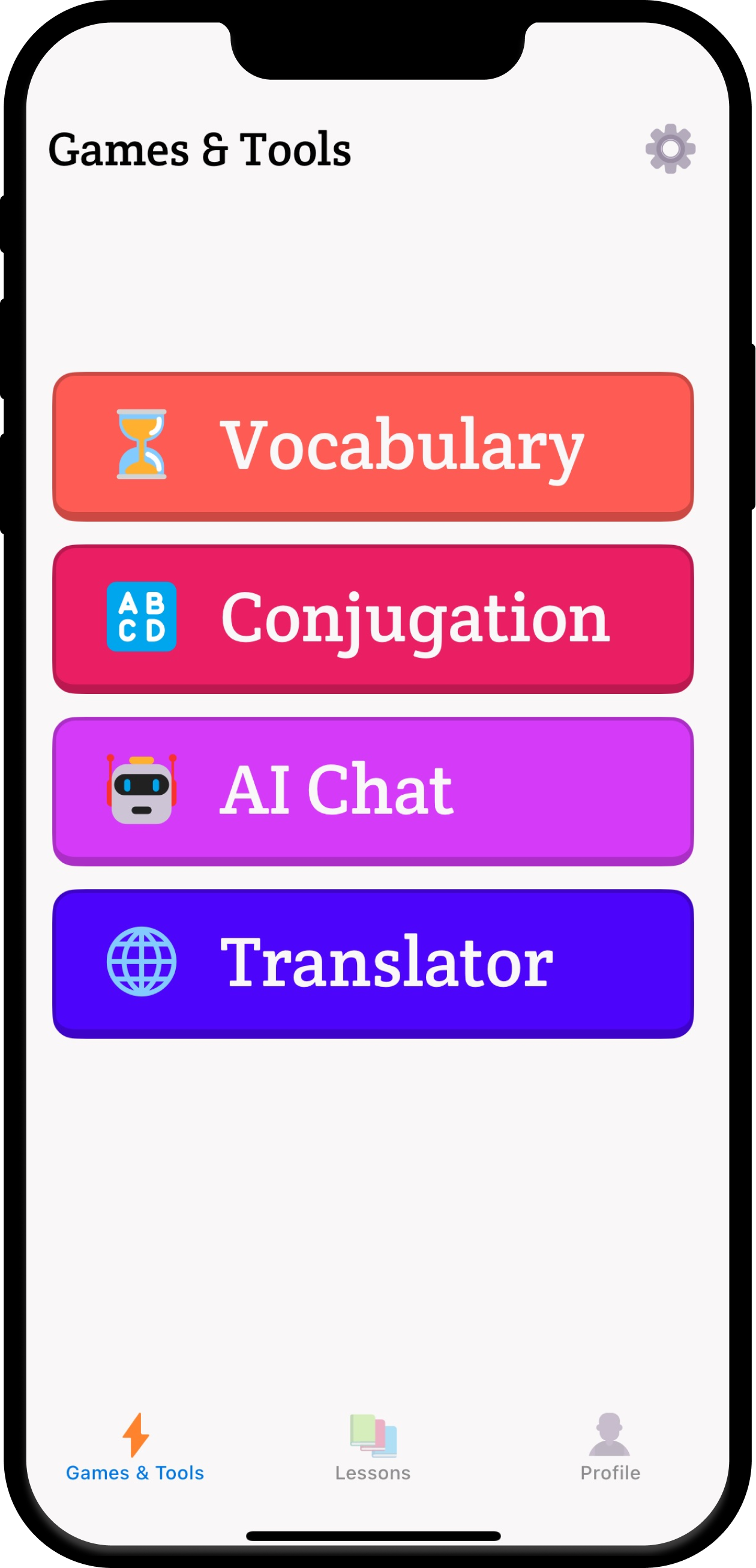
Games & Tools
Essential tools for every learner
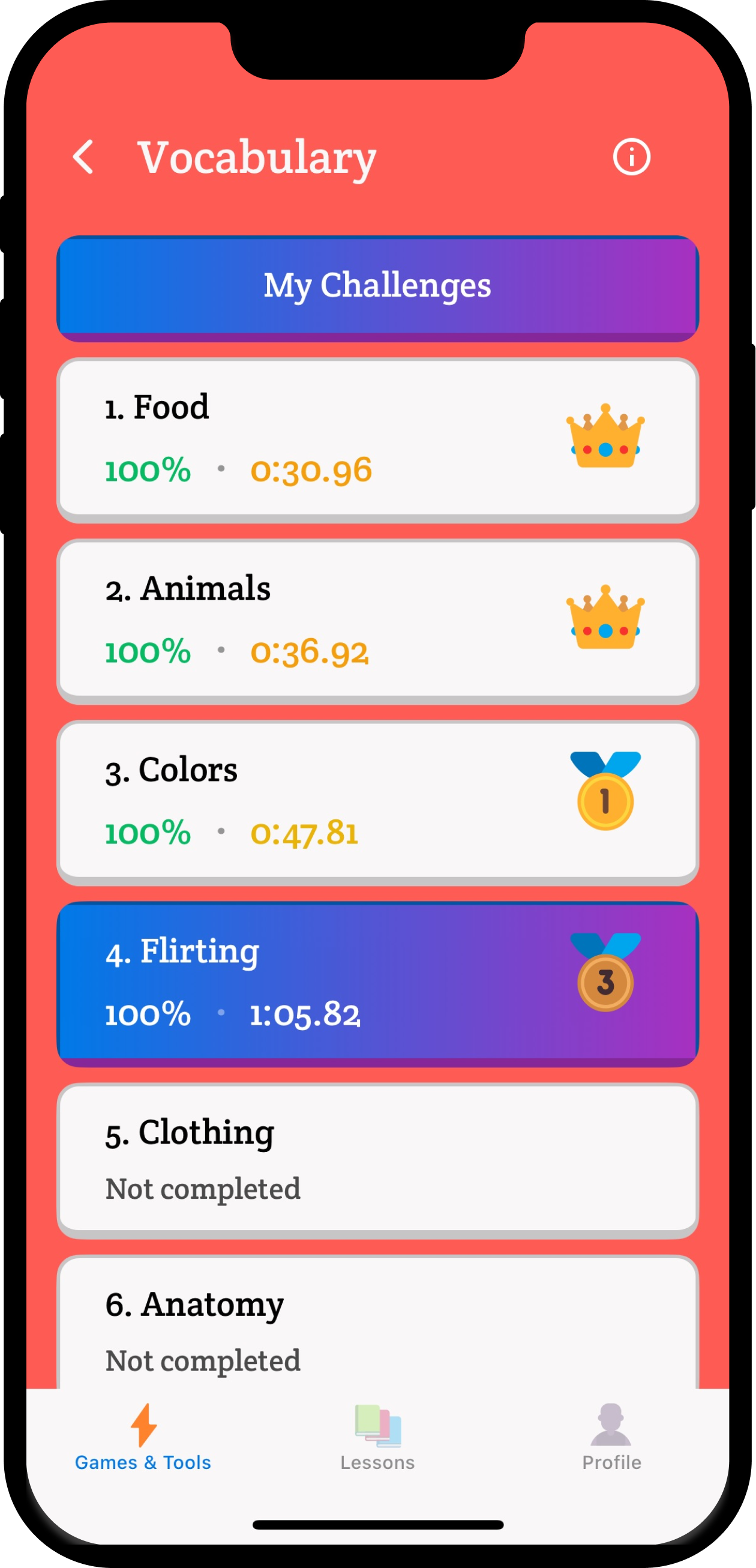
Timed Challenges
Practice vocabulary & conjugation
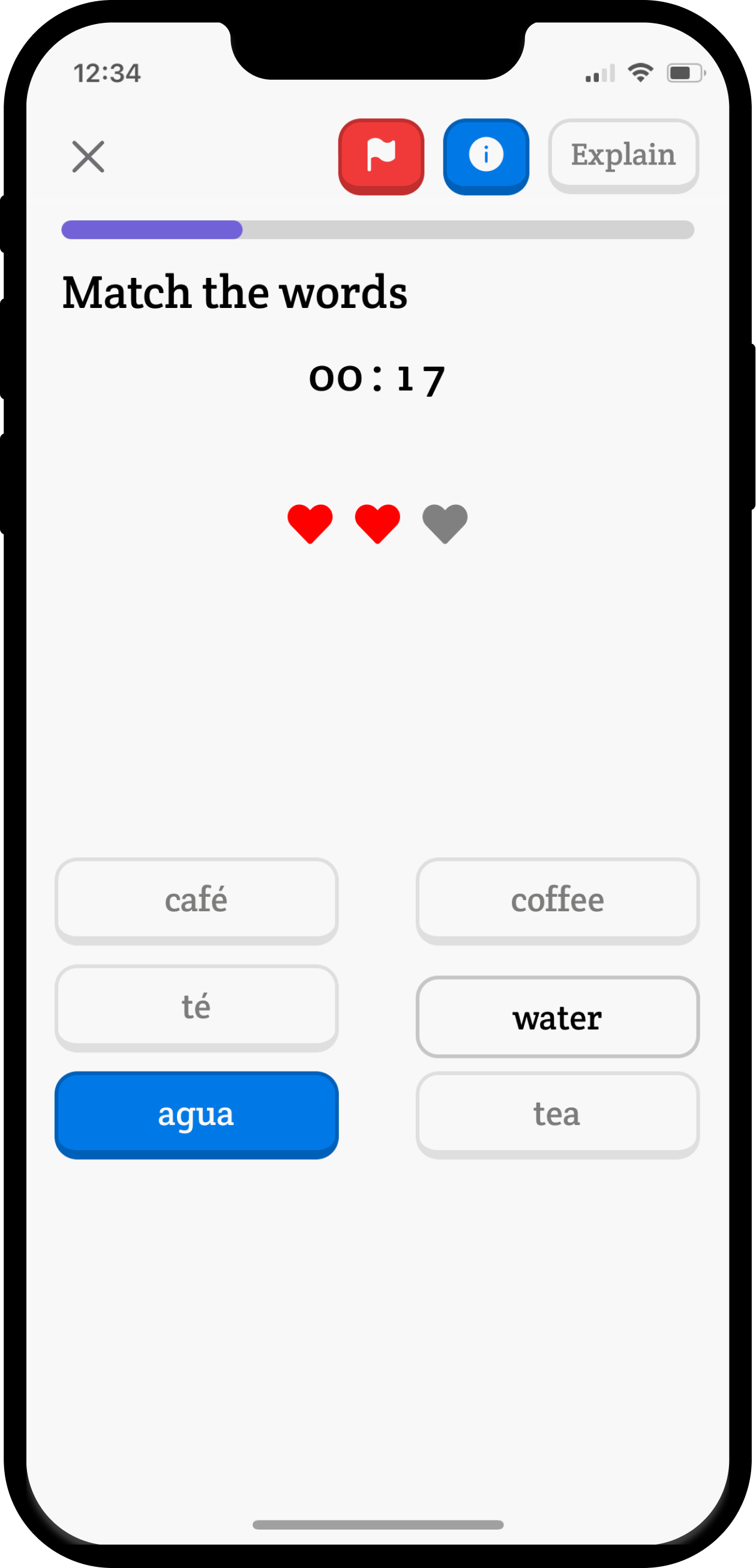
Interactive Games
Learn through engaging gameplay
Your Practical First Steps in Learning Chinese
Staring up at the mountain that is Mandarin can feel intimidating, but the first few steps are surprisingly simple—and they're the ones that give you the most momentum. Before you even think about flashcards or apps, you have to define your "why."
Seriously. Are you doing this for a trip? For business? To connect with your heritage? Your reason is the fuel that will keep you going when you feel like you’re not making progress.
Once you have that clear goal, your immediate focus should be on the sounds of Mandarin. Forget about memorizing characters for now. It's all about training your ear first.
Mastering Pronunciation and Tones
The very first thing to tackle is Pinyin. Think of it as the training wheels for Mandarin. It’s the official system that uses the Roman alphabet to spell out Chinese sounds, letting you read and say any word, even if you don't know what it means yet.
Hand-in-hand with Pinyin are the four main tones. This is a non-negotiable step. In Mandarin, the tone of a syllable completely changes its meaning. For instance, mā (mother), má (hemp), mǎ (horse), and mà (to scold) are four totally different words distinguished only by their pitch. Skipping tones is the single biggest mistake beginners make. Don't be that person.
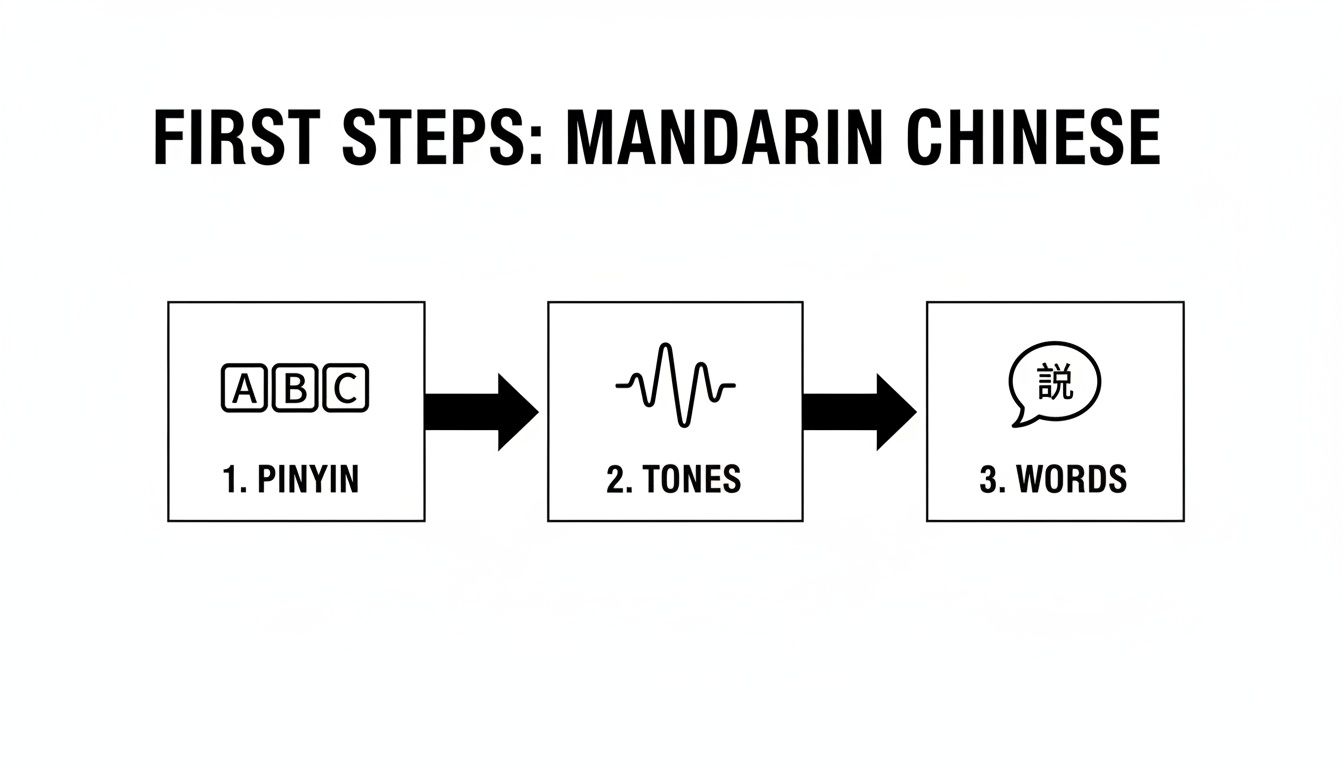
This is the sequence that works. You master the sounds (Pinyin and tones), then you attach words to those sounds, and only then do you start building sentences.
Building Your Core Vocabulary
Once you're comfortable making the basic sounds, it's time to learn your first batch of words. Your goal for the first month should be to learn 100-150 high-frequency words. These are the workhorses of the language—words like "I," "you," "to be," "good," and numbers.
Learning these first gives you the biggest bang for your buck. To make this process stick, you should lean on scientifically proven study methods like spaced repetition from day one.
You're not alone in this. An estimated 30 million people are learning Chinese as a second language right now. The ecosystem of tools, tutors, and resources has never been better.
This is a huge advantage. Just a couple of decades ago, learning Chinese often felt like a solo mission with a dusty textbook. Now, with over 180 countries offering Chinese programs, there's a massive global support system. For you, this means access to incredible apps and online tutors that can accelerate your progress.
To make this first vocabulary push easier, use a tool built for it. We've reviewed some of the best language learning apps for adults that can help you find one that clicks with your style.
To give you a concrete plan, here’s a simple checklist to guide you through those crucial first 30 days.
Your First Month Chinese Learning Checklist
This table breaks down your first month into manageable, week-by-week goals to build a solid foundation.
| Week | Primary Focus | Key Activities & Goals | Recommended Polychat Module |
|---|---|---|---|
| Week 1 | Pinyin & The 4 Tones | Nail down the pronunciation of all Pinyin initials and finals. Practice distinguishing and producing the 4 main tones with single syllables (e.g., ma, mā, má, mǎ, mà). | "Pinyin & Tones" Quickstart |
| Week 2 | Core Vocabulary (Words 1-50) | Learn your first 50 high-frequency words (pronouns, basic verbs, numbers 1-10). Focus on associating Pinyin with meaning. | Vocabulary Builder: "Top 50 Words" |
| Week 3 | Basic Greetings & Phrases | Move from single words to simple phrases. Learn how to say "hello," "thank you," "my name is," etc. Practice tone pairs (e.g., nǐ hǎo has two 3rd tones). | Conversation Practice: "First Greetings" |
| Week 4 | Simple Sentence Structures | Learn the basic S-V-O (Subject-Verb-Object) sentence structure. Form simple sentences with your 50+ words (e.g., Wǒ shì..., Nǐ yǒu...). Introduce question words. | Grammar Lab: "Building Your First Sentences" |
By the end of the month, you won't be fluent, but you'll have all the essential building blocks in place for long-term success.
Building a Daily Chinese Learning Habit That Sticks
When it comes to learning Chinese, the single biggest predictor of success isn’t some innate talent or those punishing, all-night study sessions. It’s the simple, unglamorous power of a daily habit.
Consistency crushes intensity. A frantic three-hour cram session once a week will just burn you out and you'll forget most of it anyway. You'll get much further with 15-20 minutes of focused practice every single day.
The trick is to make your routine so easy and accessible that it feels harder to skip than it does to just do it. This is where micro-learning becomes your secret weapon. Instead of trying to find a huge block of time that doesn't exist, you aim for short, frequent bursts of study throughout your day.
Think about all those little pockets of "dead time" you have: waiting for your coffee, the bus ride to work, or standing in line at the grocery store. These 5- to 15-minute windows are goldmines for a quick vocabulary game or a grammar review.
Crafting Your Daily Learning Routine
To make micro-learning stick, you need a bit of structure. A popular and effective method is the "learning sandwich," which layers different types of practice to lock in what you've learned. It's a simple, three-part rhythm for your day.
- Morning (5 mins): Kickstart your brain with a quick review. Before you've even had breakfast, hop on a flashcard app and run through the words you learned yesterday. This wakes up your memory and sets the stage for new information.
- Midday (10-15 mins): Use a break to introduce something new. This is your chance to learn a handful of new characters, watch a short video on a grammar point, or knock out a new lesson in an app like Polychat.
- Evening (5 mins): Wind down with some low-stress reinforcement. Play a gamified quiz on the new stuff you learned earlier. This helps transfer that information from your short-term to your long-term memory while you sleep.
This whole approach feels totally manageable. It weaves learning into the fabric of your life instead of making it feel like another chore to check off a list.
One of the most practical data‑driven insights about how to learn Chinese is that you should expect to invest more total hours than you would for many European languages—and plan your tools and routines accordingly. A global learning report comparing self‑directed learners found that Mandarin Chinese learners log the highest average study hours among major languages. This combination of high perceived difficulty and strong incentives leads many successful learners to adopt micro‑study habits supported by mobile apps that offer rapid‑fire practice without locking users out after mistakes. Discover more about these global learning trends.
The Power of Spaced Repetition Systems
The science that makes this daily habit so powerful is a concept called Spaced Repetition Systems (SRS). Our brains are hardwired to forget things—it’s an efficiency tool known as the "forgetting curve." SRS is the antidote. It works by showing you a piece of information (like a new character) right at the moment you're about to forget it.
Every time you recall it correctly, the time until you see it again gets longer. A word you learn today might pop up again tomorrow, then in three days, then a week, then a month. This process systematically interrupts the forgetting curve, pushing knowledge deeper and deeper into your long-term memory.
Most modern language apps, including Polychat, have SRS baked right into their design. By consistently using tools that leverage this algorithm, you're basically putting your review schedule on autopilot. You're always focusing on the exact material that needs your attention most, which is how you can efficiently memorize the thousands of characters and words you need for fluency. It's the smart way to build a vocabulary that actually sticks.
How to Actually Remember Chinese Characters
Let's be real: for most people learning Chinese, the characters—hànzì—look like an unbreakable code. The thought of memorizing thousands of these complex symbols is probably the single biggest reason people get scared off.
But what if you've been looking at it all wrong? What if the goal isn't to memorize them one by one, like you're cramming for a test?
The trick is to stop seeing characters as random, intricate pictures and start seeing them as logical puzzles. Instead of brute-force memorization (which just leads to burnout), a much smarter approach is to decode their parts and build memorable stories around them. It turns a nightmare task into a fascinating game.
Decode Characters with Radicals
Most complex Chinese characters aren't just random scribbles. They're actually combinations of smaller, simpler components called radicals. Think of them like a new alphabet.
There are about 214 common radicals, and learning them is your ultimate cheat code. Each one often gives you a huge clue about the character's meaning or sound.
Take the character for "mom," 妈 (mā). It’s made of two simple parts:
- 女 (nǚ): This is the radical for "woman" or "female."
- 马 (mǎ): This part gives the character its sound, "ma."
Boom. Suddenly, 妈 isn't a random symbol anymore. It's "the female part that sounds like ma." This pattern is everywhere. You'll notice that characters related to water often contain the water radical 氵(shuǐ), like in 河 (hé, river) and 湖 (hú, lake). Spotting these building blocks makes learning new characters exponentially faster.
The most effective learners don't have a better memory; they have a better system. By focusing on radicals and patterns, you shift from pure memorization to active problem-solving, which is a much more sustainable way to learn the thousands of characters needed for literacy.
Weave Stories with Mnemonics
Once you can spot the radicals, the next level is to create mental hooks so the characters actually stick. This is where mnemonics—silly, vivid stories—come into play. The goal is to build a little story that connects a character's shape, sound, and meaning.
Let's try the character 安 (ān), which means "peace" or "quiet." It's made of a roof (宀) over a woman (女). The story writes itself: "A woman under a roof feels at peace."
That simple, visual story is far easier to remember than a sequence of abstract strokes. The more absurd, funny, or emotional you make your stories, the better they'll stick in your brain. This is a core principle behind the best way to memorize vocabulary in any language.
This technique transforms learning from a dry, academic chore into a creative act. You're no longer just a student; you're a storyteller, building a personal palace of memories for each character.
To help you decide which approach works best for you, here's a quick comparison of the most common methods for tackling characters.
Character Learning Methods Compared
| Method | How It Works | Pros | Cons |
|---|---|---|---|
| Rote Memorization | Writing a character over and over until it sticks. The traditional "brute force" method. | Builds muscle memory for handwriting; can be meditative for some. | Extremely inefficient; high rate of forgetting; provides no context or logic. |
| Radical Decoding | Breaking characters down into their component radicals to understand their logic and meaning. | Highly efficient; makes learning scalable; helps with guessing new characters. | Requires an initial investment in learning the radicals first. |
| Mnemonic Stories | Creating vivid, often silly, stories that link a character's components to its meaning. | Very effective for long-term retention; makes learning fun and creative. | Can be time-consuming to create stories for every character. |
| Spaced Repetition (SRS) | Using flashcard apps (like Anki or Pleco) that show you characters right before you forget them. | Scientifically proven to be effective for long-term memory; highly efficient. | Can feel like a grind; lacks contextual learning if used alone. |
Ultimately, the best strategy is a mix of these. Use radicals and mnemonics to understand the character, then use SRS to lock it into your long-term memory.
Prioritize Reading and Typing Over Handwriting
In today's world, the need to handwrite every single character from memory is fading fast. While learning basic stroke order is helpful for understanding how characters are built, you absolutely do not need to become a master calligrapher on day one.
A much more practical approach is to focus on recognition (reading) and production (typing).
Modern keyboards make typing in Chinese a breeze. You just type the Pinyin, and a list of matching characters pops up. Typing "nĭ hăo" will immediately suggest 你好. This process reinforces your Pinyin and character recognition at the same time, skipping all the initial frustration of handwriting.
This digital-first strategy lets you start reading and communicating much, much faster. You can always circle back to perfect your handwriting once you have a solid foundation. Apps like Polychat bake character learning right into vocabulary games, reinforcing them in the context of real words and sentences—which is way more effective than drilling them in isolation.
Understanding the Logic of Chinese Grammar
Here's some good news that might surprise you: Chinese grammar can be way simpler than what you’re used to in languages like French or Spanish.
There are no verb conjugations to memorize. No gendered nouns. No complex tenses. If you’ve ever agonized over verb endings, you can breathe a sigh of relief. Chinese grammar just operates differently, relying on a clean, logical system built around word order and a few key helper words.
The Subject-Verb-Object Foundation
At its core, a basic Chinese sentence follows the exact same structure as English: Subject-Verb-Object (SVO). This gives you an immediate head start. You can start building sentences right away.
Let's break it down:
- Subject: 我 (wǒ) - I
- Verb: 爱 (ài) - love
- Object: 你 (nǐ) - you
Put them together and you get 我爱你 (Wǒ ài nǐ), which is, of course, "I love you." The order is identical. This consistent structure is the bedrock of Chinese grammar, making it far less intimidating than it looks. Your goal isn't to memorize abstract rules but to get a feel for these patterns through practice.
The Mystery of Measure Words
One of the first real quirks you’ll bump into is the concept of measure words (量词, liàngcí). English uses them occasionally, like "a cup of water" or "a piece of paper," but Chinese uses them for almost every single noun when you’re counting it.
Think of them as classifiers. You can't just say "one book"; you have to say 一本书 (yī běn shū), which literally means "one volume of book."
Here are a few common ones you'll see everywhere:
- 个 (gè): The universal, all-purpose measure word. When in doubt, start here. It works for people and tons of common objects.
- 本 (běn): For things that are bound, like books and magazines.
- 张 (zhāng): For flat objects like a sheet of paper, a ticket, or a table.
- 只 (zhī): Used for most animals.
It feels strange at first, I know. But after a bit of exposure, it becomes second nature. This is where interactive apps shine, giving you the repetition you need for these pairings to just feel right.
A quick word of advice: Don't get bogged down in grammar tables. Your goal is to build intuition. Focusing too much on being perfectly "correct" early on can paralyze you and kill your confidence. Just start communicating.
Key Particles and Sentence Patterns
So if verbs don't change, how do you talk about the past? Chinese uses particles—short, functional words—to add meaning. The most important one for beginners is 了 (le).
Placing 了 (le) after a verb usually means an action is complete. It’s not a perfect one-to-one match for the English past tense, but it’s a close starting point. It's more about the action being finished or a new situation existing now.
- 我吃饭 (Wǒ chīfàn) - "I eat" or "I am eating."
- 我吃饭了 (Wǒ chīfàn le) - "I have eaten."
Making questions and negative statements is just as pattern-based. To negate a sentence, you typically drop 不 (bù) right before the verb. For a simple yes-or-no question, you can often just add the particle 吗 (ma) to the end of a statement. Easy.
It’s this pattern-based logic that makes getting started with Chinese grammar a process of recognition, not rote memorization. By focusing on these core structures, you can begin forming real, meaningful sentences much faster than you’d think.
Putting Your Chinese Skills into Practice
Knowing grammar rules and a few hundred characters is one thing. Actually using them to communicate? That’s a whole different ballgame.
The real magic in learning Chinese happens when you move from passive knowledge to active skill. This is the moment you start turning textbook lessons into real-world conversations and finally get what someone is saying on a TV show. It can feel intimidating, but you don’t need to wait until you’re “advanced” to begin. You can start practicing your speaking and listening skills from the very first week.
The key is finding low-pressure environments where you can build confidence and train your brain to process the language in real time.
Training Your Ear with Immersive Listening
Before you can speak well, you have to listen well. Your brain needs to get used to the natural rhythm, speed, and cadence of spoken Mandarin. Ditching the slow, perfectly articulated textbook audio for more natural content is a crucial—and honestly, fun—step.
Start with content designed for learners, but aim for materials that are just a little bit challenging. This sweet spot keeps you engaged without feeling completely lost.
- Graded Readers with Audio: These are stories written using a specific vocabulary level (like HSK 3) and come with someone reading them aloud. Listening while you read is a powerful way to connect the sounds, Pinyin, characters, and meaning all at once.
- Chinese Music: Find a playlist of popular C-pop or ballads. Even if you don't understand all the lyrics at first, you’ll start absorbing the flow of the language. It’s amazing how much you can pick up just by osmosis. Look up the lyrics (with Pinyin!) and try to follow along.
- TV Shows and Dramas: Start with children’s shows like Peppa Pig (小猪佩奇, Xiǎo Zhū Pèiqí), where the language is simple and ridiculously repetitive. As you improve, you can move on to dramas with subtitles.
The goal here isn’t perfect comprehension. It's exposure. Consistent listening tunes your ear to the tones and sounds, making it so much easier to replicate them when you eventually start speaking.
Starting to Speak from Day One
The biggest hurdle for most learners is the fear of making a mistake. The only way to get over this fear is to start talking, even if it feels clumsy and awkward at first. You have to be willing to sound silly to eventually sound fluent.
One of the most effective, pressure-free ways to begin is by talking to yourself. Seriously. Narrate your day in simple Chinese. When making coffee, you might say, “我喝咖啡” (Wǒ hē kāfēi - I drink coffee). It sounds almost comically simple, but you are actively recalling vocabulary and forming sentences, which builds the neural pathways you need for speaking.
The most practical advice for an aspiring speaker is this: you don't get ready by waiting; you get ready by doing. Making mistakes is not a sign of failure; it's the primary mechanism through which your brain learns and adjusts.
For a more structured approach, our guide on how to improve your speaking skills has a ton of detailed strategies.
Finding Language Partners and AI Tutors
Once you're ready for some interaction, finding a language exchange partner online is a great next step. But let's be real—jumping directly into a live conversation can be nerve-wracking. This is where modern tools can bridge the gap beautifully.
AI-powered tutors, like the ones inside Polychat, offer a perfect intermediate step. You get to practice pronunciation and conversational flow in a completely safe, judgment-free zone. The AI can give you instant feedback on your tones and sentence structure without the pressure of a live audience. This lets you build a solid foundation of confidence before you ever say "nǐ hǎo" to a real person.
The global landscape for learning Chinese is always shifting. University enrollments in some Western countries have declined recently, but interest is booming elsewhere, like in Taiwan, which saw a 12% increase in foreign Mandarin learners over its pre-pandemic peak. This mixed picture highlights a crucial lesson: relying solely on formal classes can be risky. Building a resilient, app-based routine you control yourself ensures your progress continues no matter what. You can find more analysis on these evolving Chinese language trends.
When you do connect with a human partner, set yourself up for success. Don't just show up and hope for the best. Prepare a few simple topics or questions in advance. This gives the conversation direction and ensures you’re practicing the vocabulary you actually want to learn, not just stumbling through pleasantries.
Frequently Asked Questions About Learning Chinese
When you're starting a journey as big as learning Chinese, a million questions pop up. That's completely normal. Getting clear answers helps you set realistic expectations, which is the secret to staying motivated and not giving up when things get tough.
Let's tackle some of the most common questions I hear from new learners.

How Long Does It Really Take to Learn Chinese?
The honest answer? It completely depends on your goals, how consistent you are, and the methods you use.
You might see official estimates, like the 2,200 hours suggested by the U.S. Foreign Service Institute for professional fluency. But for most of us, that number is more intimidating than helpful.
A much better target is reaching a solid conversational level (think HSK 3-4). This is where you can handle daily stuff—ordering food, asking for directions, making small talk—without breaking a sweat. With consistent, daily practice, many dedicated learners hit this milestone within 1-2 years.
The real key is to define what "fluent" means for you. Ditch the vague, far-off goal and focus on tangible wins. Celebrate being able to introduce yourself. Then celebrate ordering coffee. Then understanding a short video. Progress is built on these small, consistent victories.
Should I Learn Mandarin or Cantonese?
For the vast majority of people starting out, Mandarin is the way to go. It’s the official language in Mainland China and Taiwan, and it’s one of the official languages in Singapore. With over a billion speakers, it opens up a massive world of communication and learning resources.
Cantonese is a beautiful, culturally rich language spoken mainly in Hong Kong, Macau, and Guangdong province. Unless you have a specific reason to learn it—like family ties or a job that requires it—starting with Mandarin gives you a broader foundation and way more opportunities to practice. For instance, anyone looking into academic paths in Singapore will find Mandarin is the focus, which you can see in things like understanding the PSLE Chinese score percentage.
What Are the Most Common Mistakes Beginners Make?
Knowing the common pitfalls from the get-go can save you a world of frustration. Steer clear of these, and you'll find your progress is much smoother.
Here are the top four mistakes to watch out for:
- Neglecting Tones: This is the big one. Treating tones as an optional extra is a fatal flaw. A word's tone is just as crucial as its vowels and consonants. Drill them from day one until they feel like second nature.
- Memorizing Characters by Rote: Trying to brute-force thousands of characters into your brain as random squiggles is a direct path to burnout. Instead, learn the radicals (the building blocks) and use stories to link a character's shape, sound, and meaning.
- Fearing Speaking: So many learners wait until they feel "ready" to speak. Here's the secret: you get ready by speaking. Start small in low-pressure situations, like talking to yourself or using an AI tutor. You need to build confidence before you worry about perfection.
- Getting Overwhelmed: Don't try to learn everything at once. It's totally fine to focus on listening and speaking first, then layer in reading and writing later. A gradual approach is a sustainable approach.
Can I Learn Chinese with Just an App?
Absolutely. For beginner and intermediate learners, an app can be the core of a very effective learning plan. Modern apps give you the structured, daily practice you need to build a solid foundation in vocabulary, grammar, and listening. They make it accessible, fun, and easy to squeeze into a packed schedule.
To get to a truly advanced level, though, you'll want to pair your app with real-world practice. Think of your app as your home base for lessons and review. Then, branch out with activities like chatting with language partners, watching Chinese TV shows, and reading things you genuinely find interesting. The app builds your knowledge; real-world practice turns that knowledge into a skill.
Ready to build a powerful and consistent Chinese learning habit? Polychat offers a gamified path with unlimited practice to help you master vocabulary, grammar, and pronunciation without the frustrating limitations of other apps. Start your journey today by downloading the app on iOS or Android at https://www.polychatapp.com.
Related Posts
Your Essential Guide to French Verbs Ending in ER
Unlock 90% of French verbs. This guide simplifies French verbs ending in er, covering conjugation, common exceptions, and high-frequency vocabulary.
Read more10 Essential Conversation Starters in Spanish for 2026
Unlock confident dialogue with our top 10 conversation starters in Spanish. Includes translations, pronunciation, and cultural tips for every learner.
Read moreHow to Add Accents on Any Device A Simple Guide
Struggling with special characters? Learn how to add accents on Windows, Mac, iOS, and Android with our easy-to-follow guide for language learners.
Read more