Estar Conjugation: Estoy, Estuve, Estaba and Every Tense (Chart)
Estar means "to be" when talking about location, feelings, conditions and ongoing actions. Its key irregular forms are estoy (I am), the preterite estuve, estuvo, and the accented present forms estás, está, están. The subjunctive is esté, and the imperfect estaba is regular.
Ready to Learn a Language?
Try PolyChat's engaging language lessons, interactive learning games and put your new vocabulary to the test!
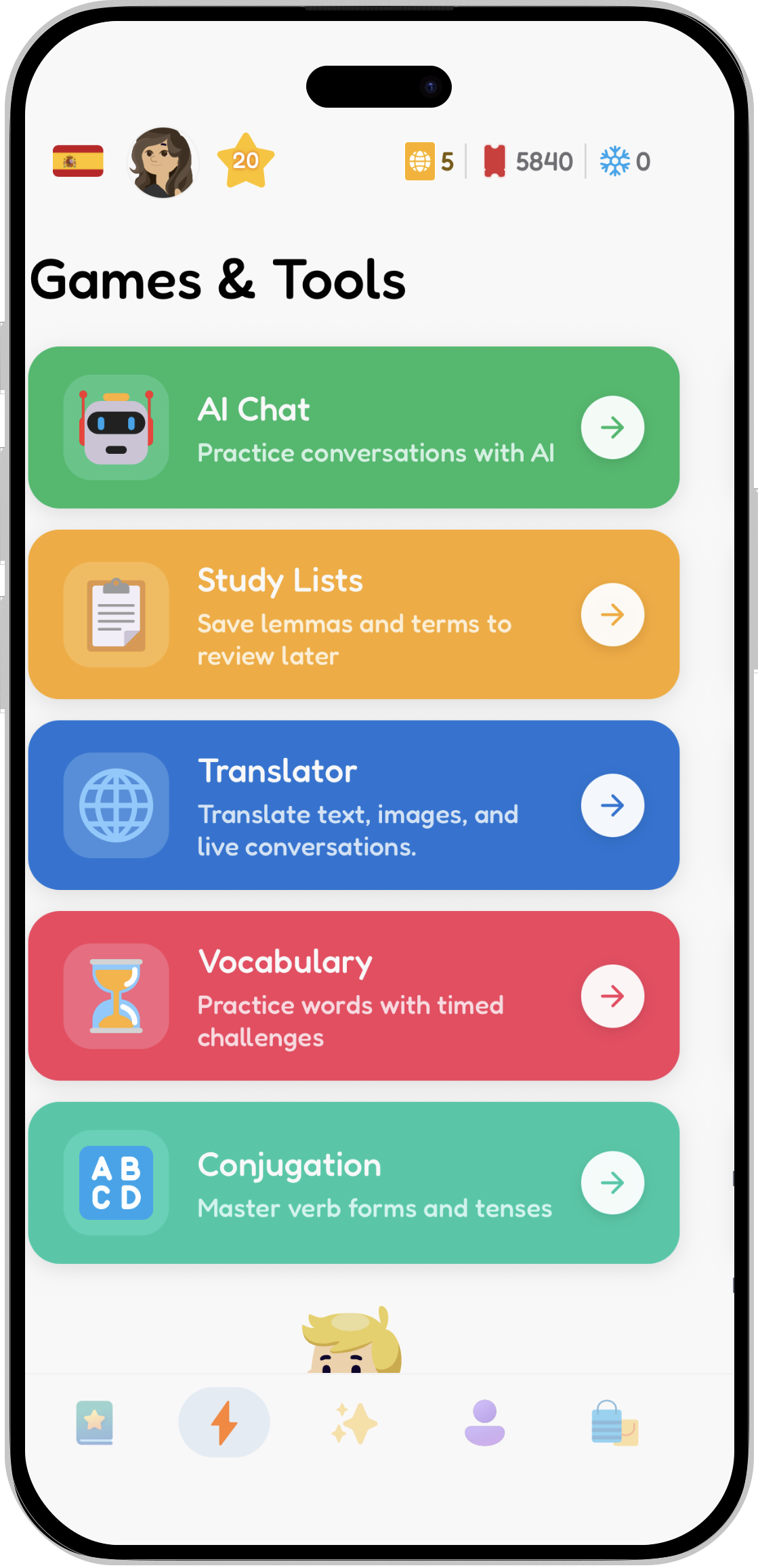
Games & Tools
Tools that every language learner needs at all stages of their learning journey.
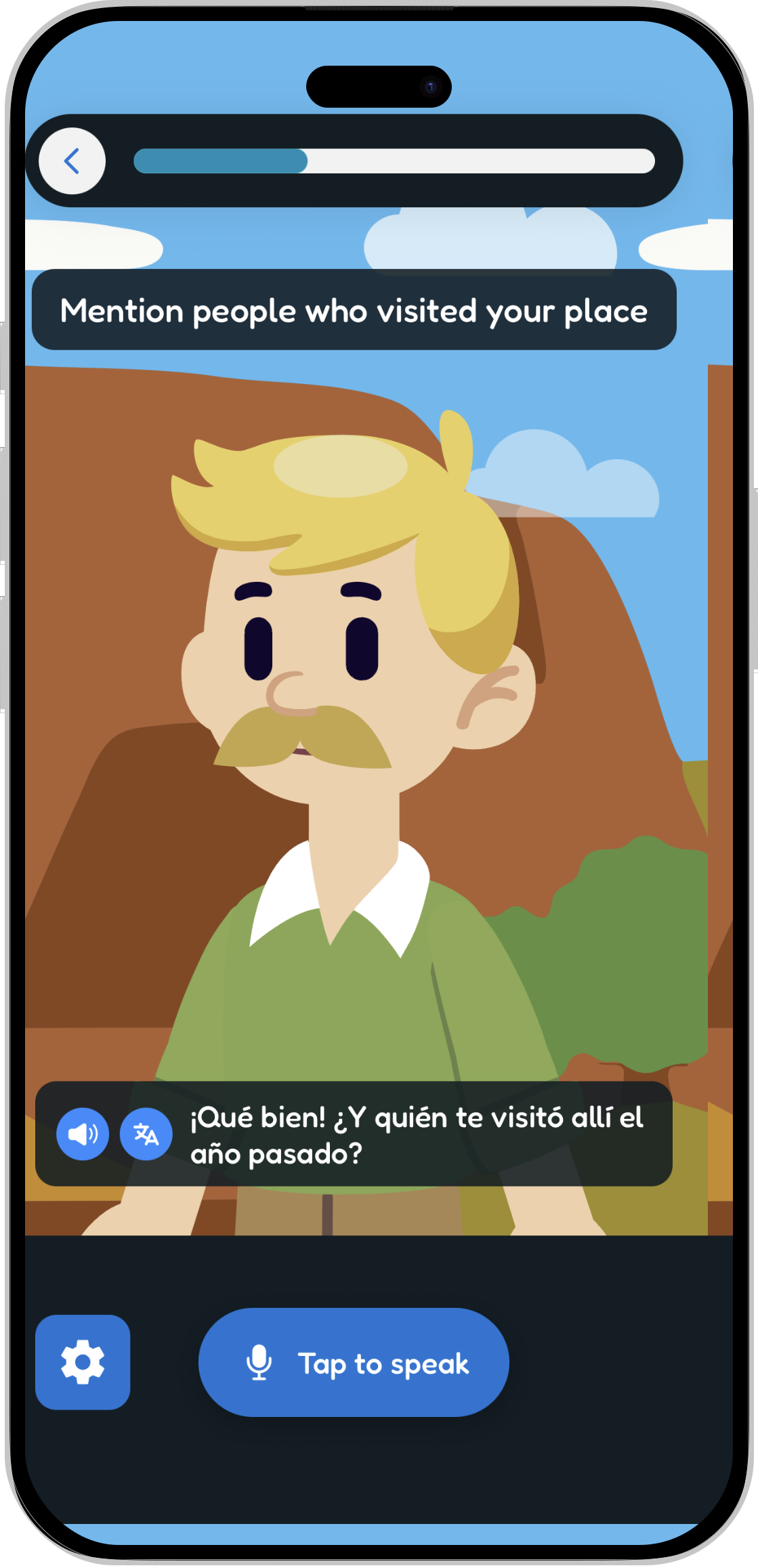
AI Chat Tutor
Practice real conversations with an AI tutor that helps you speak with confidence.
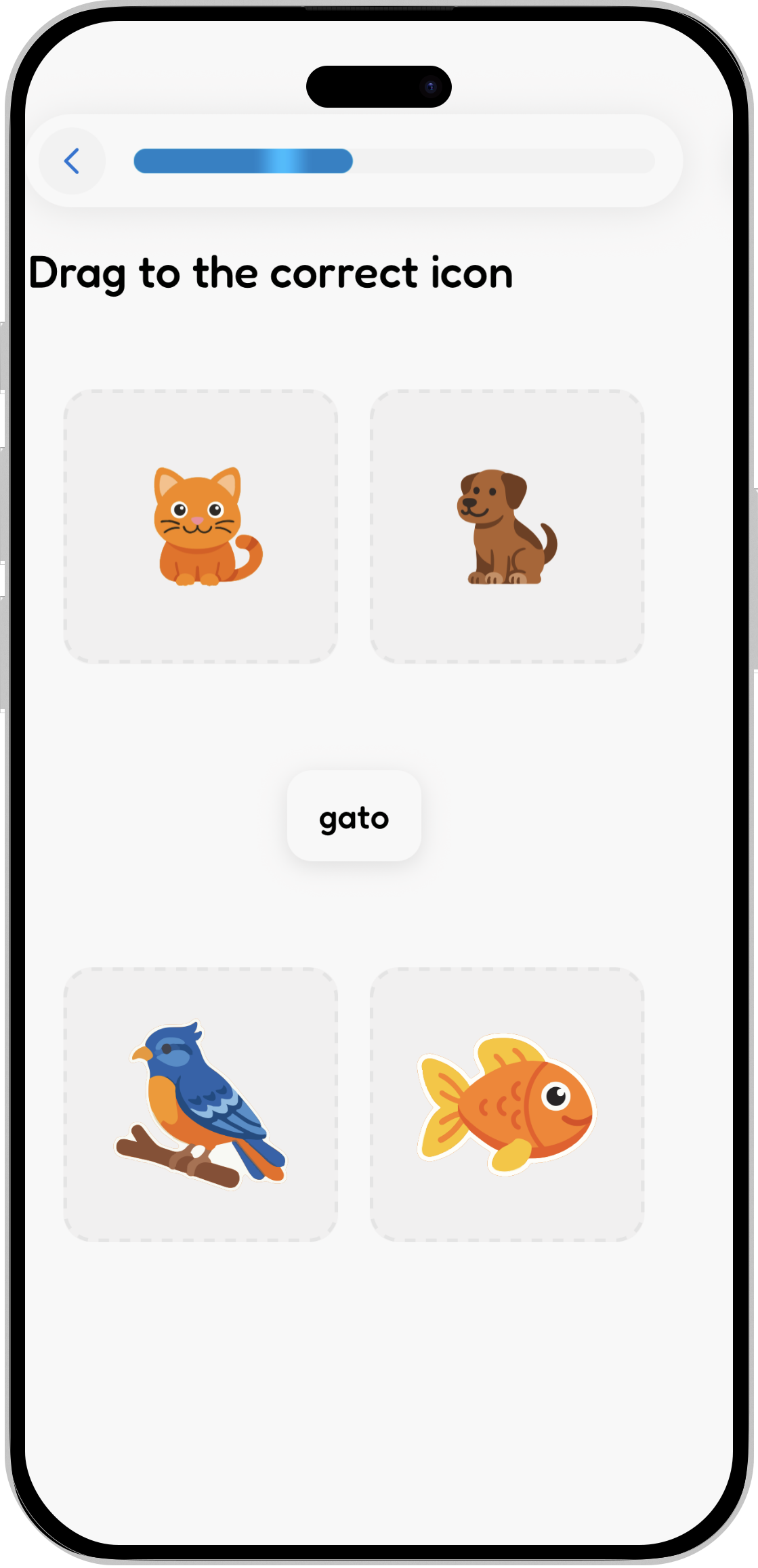
Interactive Games
A variety of games to help you learn and remember new words and phrases.


Estar Conjugation Chart
Indicative: present, preterite and imperfect
| Pronoun | Present | Preterite | Imperfect |
|---|---|---|---|
| yo | estoy | estuve | estaba |
| tú | estás | estuviste | estabas |
| él / ella / usted | está | estuvo | estaba |
| nosotros / nosotras | estamos | estuvimos | estábamos |
| vosotros / vosotras | estáis | estuvisteis | estabais |
| ellos / ellas / ustedes | están | estuvieron | estaban |
Future, conditional and present perfect
| Pronoun | Future | Conditional | Present perfect |
|---|---|---|---|
| yo | estaré | estaría | he estado |
| tú | estarás | estarías | has estado |
| él / ella / usted | estará | estaría | ha estado |
| nosotros / nosotras | estaremos | estaríamos | hemos estado |
| vosotros / vosotras | estaréis | estaríais | habéis estado |
| ellos / ellas / ustedes | estarán | estarían | han estado |
Subjunctive
| Pronoun | Present subjunctive | Imperfect subjunctive |
|---|---|---|
| yo | esté | estuviera |
| tú | estés | estuvieras |
| él / ella / usted | esté | estuviera |
| nosotros / nosotras | estemos | estuviéramos |
| vosotros / vosotras | estéis | estuvierais |
| ellos / ellas / ustedes | estén | estuvieran |
Commands (imperative)
| Person | Affirmative | Negative |
|---|---|---|
| tú | ¡está! | ¡no estés! |
| usted | ¡esté! | ¡no esté! |
| nosotros | ¡estemos! | ¡no estemos! |
| vosotros | ¡estad! | ¡no estéis! |
| ustedes | ¡estén! | ¡no estén! |
Gerund: estando (estoy estando) · Past participle: estado (he estado)
What Makes Estar Irregular
Estar has three quirks:
- Yo estoy: an -oy ending shared with soy, doy and voy.
- Accents in the present: estás, está, estáis, están. The stress falls on the last syllable, so the accent is needed. Without it, esta means "this."
- Preterite stem estuv-: estuve, estuviste, estuvo, estuvimos, estuvisteis, estuvieron. The imperfect subjunctive uses the same stem: estuviera.
The present subjunctive is regular in spelling but keeps the accents: esté, estés, esté, estemos, estéis, estén. The future (estaré) and imperfect (estaba) are regular.
How to Use Estar
Estar is one of Spanish's two verbs for "to be." Use it for:
- Location: Madrid está en España. ¿Dónde estás?
- Temporary states and feelings: Estoy cansado (I'm tired), La sopa está fría.
- Actions in progress: estar + gerund: Estoy trabajando (I'm working).
- Results of a change: La tienda está cerrada (The shop is closed).
Ser covers identity, origin, time and events. For the full comparison, see our guide to ser vs estar.
Common Expressions With Estar
| Expression | Meaning | Example |
|---|---|---|
| estar de acuerdo | to agree | Estoy de acuerdo contigo. |
| estar a punto de | to be about to | El tren está a punto de salir. |
| estar de vacaciones | to be on vacation | Estuvimos de vacaciones en Perú. |
| estar harto de | to be fed up with | Estoy harto de este ruido. |
| estar en las nubes | to have one's head in the clouds | Hoy estás en las nubes. |
| estar de moda | to be in fashion | Ese color está de moda. |
Estar in Example Sentences
- Estoy en casa, ven cuando quieras. (I'm at home, come whenever you want.)
- ¿Cómo estás? (How are you?)
- Estuve en Barcelona el verano pasado. (I was in Barcelona last summer.)
- Estábamos cenando cuando sonó el teléfono. (We were having dinner when the phone rang.)
- Mañana estaré ocupado todo el día. (I'll be busy all day tomorrow.)
- Espero que estés bien. (I hope you're well.)
Common Mistakes With Estar
- Writing "esta" for está. Without the accent, esta means "this."
- Using estar for professions or origin. Say soy profesor and soy de Chile, not "estoy profesor."
- Mixing up estuve and estaba. Estuve en Roma dos semanas is a completed stay. Estaba en Roma cuando… sets the background for another event.
- Using estar with events. "The party is at my house" is la fiesta es en mi casa, because events take ser.
Frequently Asked Questions
Is estar irregular?
Yes. Estar is irregular in the present yo form (estoy), in the preterite (estuve) and in the imperfect subjunctive (estuviera). It also has accents in the present and present subjunctive (está, esté).
What is the preterite of estar?
Estuve, estuviste, estuvo, estuvimos, estuvisteis, estuvieron.
When do you use estuve vs estaba?
Estuve describes a completed period (Estuve enfermo tres días). Estaba describes an ongoing state or background (Estaba enfermo cuando llamaste).
What is the difference between ser and estar?
Ser is for identity, characteristics, origin, time and events. Estar is for location, temporary conditions, feelings and actions in progress.
Keep Practicing
The quiz below mixes pronouns and tenses from the chart above. For more practice, these guides pair well with estar:

Jean-Baptiste Bolh
Co-Founder
Applied AI