Pensar Conjugation: Pienso, Pensé, Piense and Every Tense (Chart)
Pensar means "to think." It's an e→ie stem-changing verb in the present: pienso, piensas, piensa, pensamos, pensáis, piensan. The preterite is regular (pensé, pensó), and the present subjunctive follows the same stem change as the present (piense).
Ready to Learn a Language?
Try PolyChat's engaging language lessons, interactive learning games and put your new vocabulary to the test!
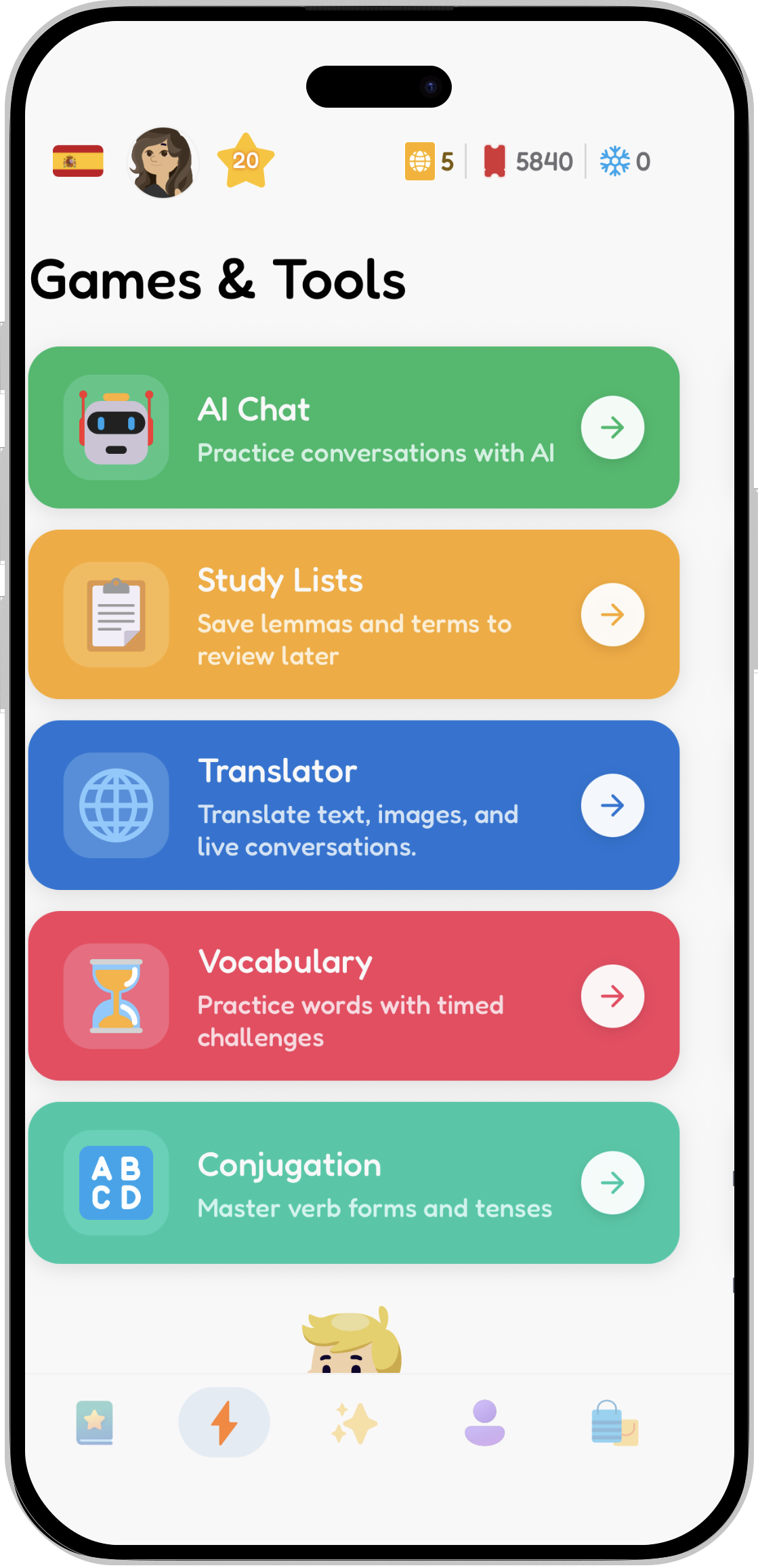
Games & Tools
Tools that every language learner needs at all stages of their learning journey.

AI Chat Tutor
Practice real conversations with an AI tutor that helps you speak with confidence.
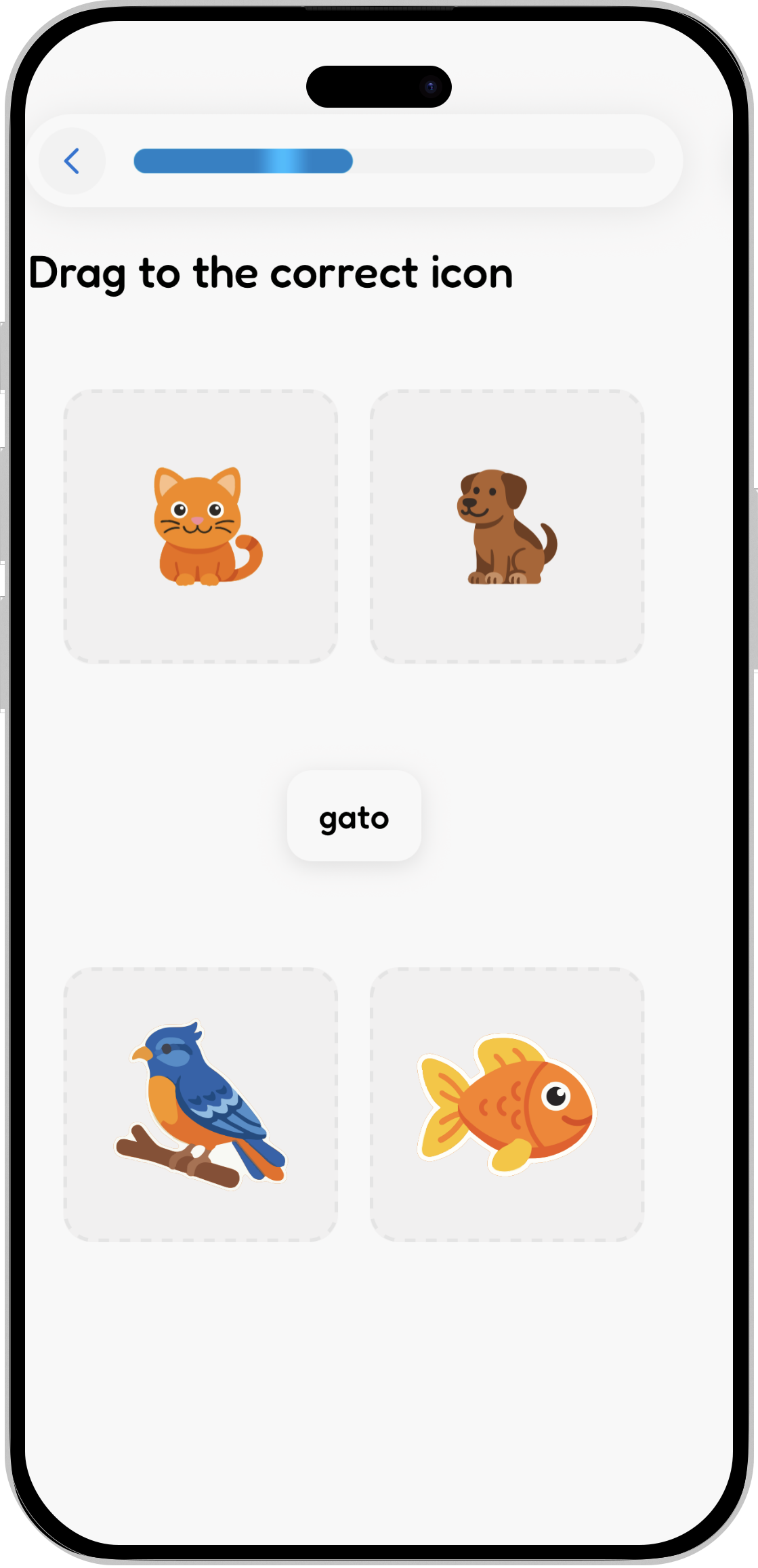
Interactive Games
A variety of games to help you learn and remember new words and phrases.


Pensar Conjugation Chart
Indicative: present, preterite and imperfect
| Pronoun | Present | Preterite | Imperfect |
|---|---|---|---|
| yo | pienso | pensé | pensaba |
| tú | piensas | pensaste | pensabas |
| él / ella / usted | piensa | pensó | pensaba |
| nosotros / nosotras | pensamos | pensamos | pensábamos |
| vosotros / vosotras | pensáis | pensasteis | pensabais |
| ellos / ellas / ustedes | piensan | pensaron | pensaban |
Future, conditional and present perfect
| Pronoun | Future | Conditional | Present perfect |
|---|---|---|---|
| yo | pensaré | pensaría | he pensado |
| tú | pensarás | pensarías | has pensado |
| él / ella / usted | pensará | pensaría | ha pensado |
| nosotros / nosotras | pensaremos | pensaríamos | hemos pensado |
| vosotros / vosotras | pensaréis | pensaríais | habéis pensado |
| ellos / ellas / ustedes | pensarán | pensarían | han pensado |
Subjunctive
| Pronoun | Present subjunctive | Imperfect subjunctive |
|---|---|---|
| yo | piense | pensara |
| tú | pienses | pensaras |
| él / ella / usted | piense | pensara |
| nosotros / nosotras | pensemos | pensáramos |
| vosotros / vosotras | penséis | pensarais |
| ellos / ellas / ustedes | piensen | pensaran |
Commands (imperative)
| Person | Affirmative | Negative |
|---|---|---|
| tú | ¡piensa! | ¡no pienses! |
| usted | ¡piense! | ¡no piense! |
| nosotros | ¡pensemos! | ¡no pensemos! |
| vosotros | ¡pensad! | ¡no penséis! |
| ustedes | ¡piensen! | ¡no piensen! |
Gerund: pensando (estoy pensando) · Past participle: pensado (he pensado)
What Makes Pensar Irregular
Pensar is the classic example of an e→ie verb:
- e→ie when the stem is stressed: pienso, piensas, piensa, piensan, but pensamos, pensáis. This is sometimes called a "boot verb," because the changing forms make a boot shape in the chart.
- The subjunctive and tú command follow the same split: piense, pienses, pensemos; piensa.
- Everything else is regular: pensé, pensaba, pensaré, pensaría, pensando, pensado.
Many common verbs work the same way: cerrar (cierro), querer (quiero), despertar (despierto), perder (pierdo), entender (entiendo) and empezar (empiezo).
How to Use Pensar
Pensar changes meaning depending on the word that follows:
- Pensar en is to think about: Pienso en ti (I think about you).
- Pensar de asks for an opinion: ¿Qué piensas de la película? (What do you think of the movie?).
- Pensar + infinitive means "to plan to" or "to intend to": Pienso viajar en verano (I'm planning to travel in the summer).
- Pensar que gives an opinion: Pienso que tienes razón. In the negative it takes the subjunctive: No pienso que sea verdad.
Common Expressions With Pensar
| Expression | Meaning | Example |
|---|---|---|
| ¡Ni lo pienses! | Don't even think about it! | ¿Salir con esta lluvia? ¡Ni lo pienses! |
| pensándolo bien | on second thought | Pensándolo bien, prefiero quedarme. |
| pensar en voz alta | to think out loud | Perdona, estaba pensando en voz alta. |
| dar que pensar | to give food for thought | Su pregunta me dio que pensar. |
| pensar mal | to assume the worst | No pienses mal, solo es un amigo. |
| sin pensarlo dos veces | without thinking twice | Aceptó el trabajo sin pensarlo dos veces. |
Pensar in Example Sentences
- ¿En qué piensas? (What are you thinking about?)
- Pensé que no venías. (I thought you weren't coming.)
- De joven pensaba que lo sabía todo. (When I was young I thought I knew everything.)
- Pensaremos en una solución. (We'll think of a solution.)
- No pienso esperar más. (I'm not planning to wait any longer.)
- No creo que piensen lo mismo. (I don't think they think the same.)
Common Mistakes With Pensar
- "Penso" instead of pienso. The stressed e changes to ie.
- "Piensamos" instead of pensamos. Nosotros keeps the e.
- "Pensar sobre" for "think about." Spanish uses pensar en: pienso en el examen.
- Using the indicative after "no pienso que." Negated opinions take the subjunctive: no pienso que sea fácil.
Frequently Asked Questions
Is pensar a stem-changing verb?
Yes. Pensar changes e to ie in the present indicative, present subjunctive and tú command, except for nosotros and vosotros.
What is the preterite of pensar?
Pensé, pensaste, pensó, pensamos, pensasteis, pensaron. The preterite has no stem change.
What's the difference between pensar en and pensar de?
Pensar en means to think about someone or something. Pensar de asks for or gives an opinion: ¿Qué piensas de él?
What does pensar + infinitive mean?
It means to plan or intend to do something: Pienso estudiar medicina (I plan to study medicine).
Keep Practicing
The quiz below mixes pronouns and tenses from the chart above. For more practice, these guides pair well with pensar:

Jean-Baptiste Bolh
Co-Founder
Applied AI