Oír Conjugation: Oigo, Oyes, Oyó and Every Tense (Chart)
Oír means "to hear." It's short but tricky: the present is oigo, oyes, oye, oímos, oís, oyen, the preterite third person uses a y (oyó, oyeron), and the gerund is oyendo. Several forms need a written accent on the í, starting with the infinitive itself.
Ready to Learn a Language?
Try PolyChat's engaging language lessons, interactive learning games and put your new vocabulary to the test!
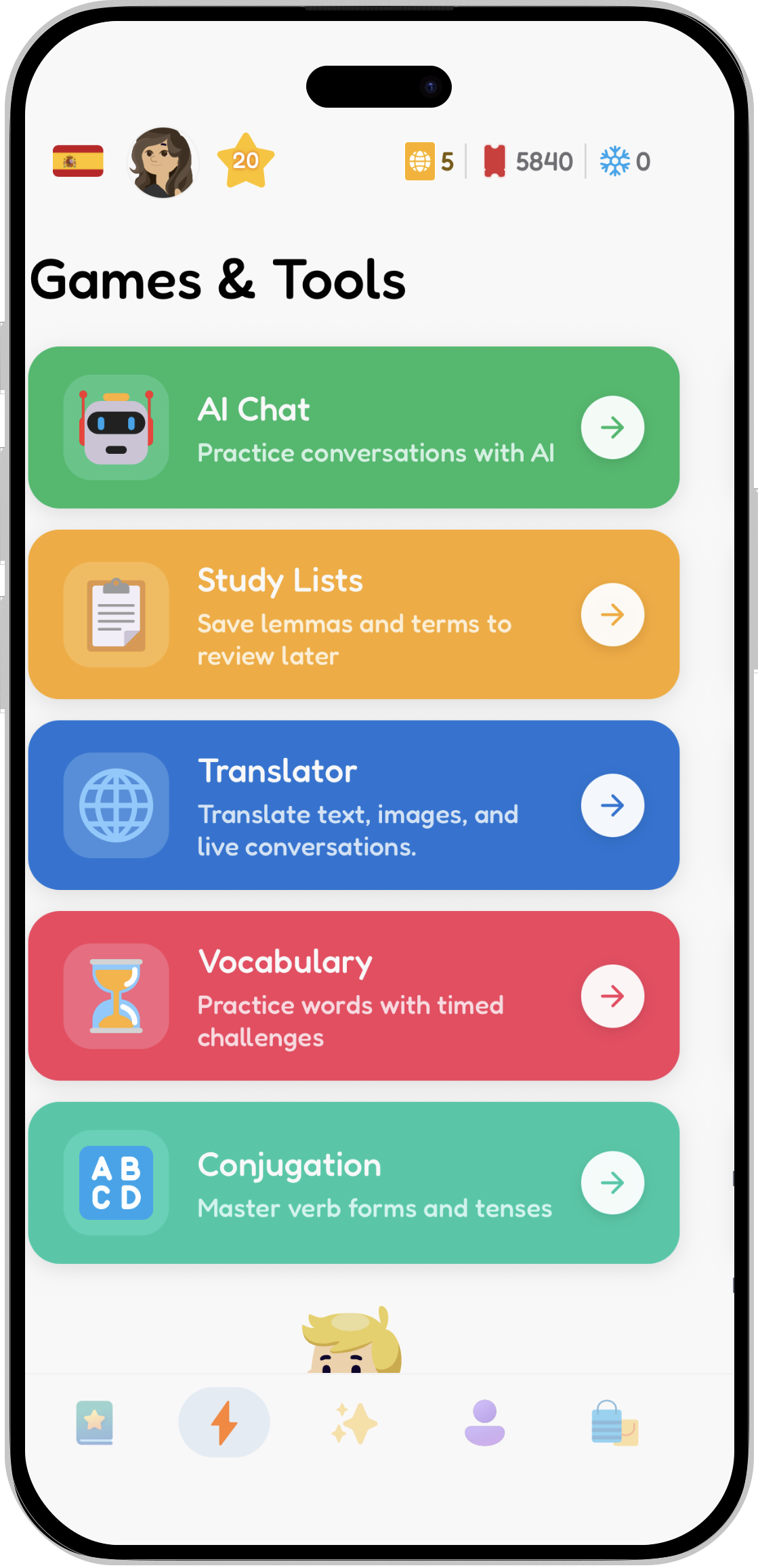
Games & Tools
Tools that every language learner needs at all stages of their learning journey.

AI Chat Tutor
Practice real conversations with an AI tutor that helps you speak with confidence.
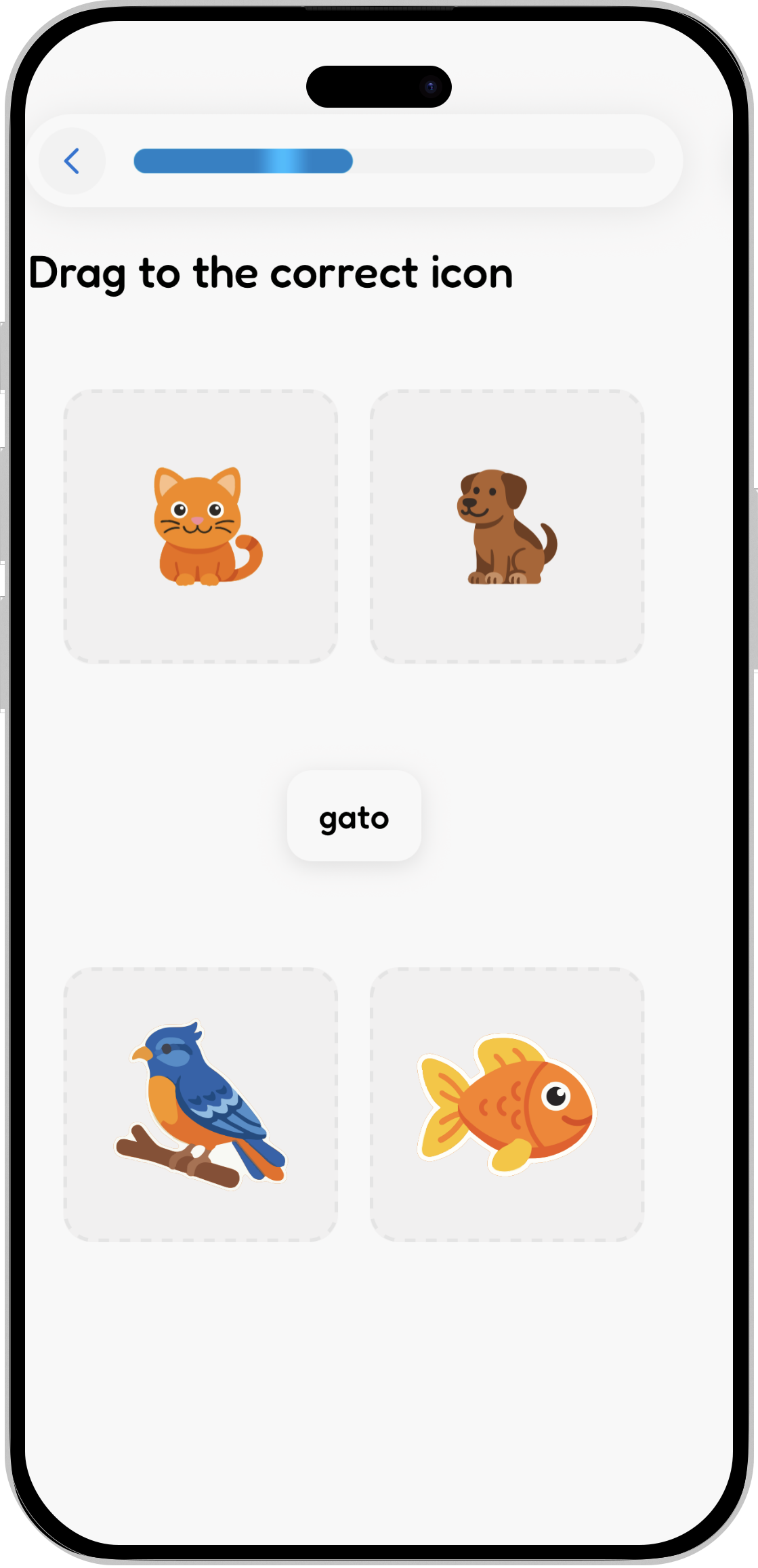
Interactive Games
A variety of games to help you learn and remember new words and phrases.


Oír Conjugation Chart
Indicative: present, preterite and imperfect
| Pronoun | Present | Preterite | Imperfect |
|---|---|---|---|
| yo | oigo | oí | oía |
| tú | oyes | oíste | oías |
| él / ella / usted | oye | oyó | oía |
| nosotros / nosotras | oímos | oímos | oíamos |
| vosotros / vosotras | oís | oísteis | oíais |
| ellos / ellas / ustedes | oyen | oyeron | oían |
Future, conditional and present perfect
| Pronoun | Future | Conditional | Present perfect |
|---|---|---|---|
| yo | oiré | oiría | he oído |
| tú | oirás | oirías | has oído |
| él / ella / usted | oirá | oiría | ha oído |
| nosotros / nosotras | oiremos | oiríamos | hemos oído |
| vosotros / vosotras | oiréis | oiríais | habéis oído |
| ellos / ellas / ustedes | oirán | oirían | han oído |
Subjunctive
| Pronoun | Present subjunctive | Imperfect subjunctive |
|---|---|---|
| yo | oiga | oyera |
| tú | oigas | oyeras |
| él / ella / usted | oiga | oyera |
| nosotros / nosotras | oigamos | oyéramos |
| vosotros / vosotras | oigáis | oyerais |
| ellos / ellas / ustedes | oigan | oyeran |
Commands (imperative)
| Person | Affirmative | Negative |
|---|---|---|
| tú | ¡oye! | ¡no oigas! |
| usted | ¡oiga! | ¡no oiga! |
| nosotros | ¡oigamos! | ¡no oigamos! |
| vosotros | ¡oíd! | ¡no oigáis! |
| ustedes | ¡oigan! | ¡no oigan! |
Gerund: oyendo (estoy oyendo) · Past participle: oído (he oído)
What Makes Oír Irregular
Oír has three kinds of changes, and they all follow from how the word sounds:
- Yo form oigo with a -go ending, which carries into the whole subjunctive: oiga, oigas, oigamos.
- An unstressed i becomes y between vowels: oyes, oye, oyen in the present, oyó, oyeron in the preterite, oyera in the imperfect subjunctive, and the gerund oyendo.
- Written accents on the stressed í: oír, oímos, oíste, oísteis, oído, oía. The accent shows that the o and i are pronounced as separate syllables.
The future and conditional are regular but lose the accent: oiré, oiría. Verbs ending in -oír, like desoír (to ignore), conjugate the same way.
How to Use Oír
Oír is to hear, whether or not you're trying. Escuchar is to listen, on purpose. Oí un ruido means "I heard a noise"; Escucho música means "I'm listening to music."
In practice, the commands of oír are everyday attention-getters. ¡Oye! means "Hey!" to a friend, and ¡Oiga! is the polite version for a stranger or waiter. In Spain you'll also hear ¿Me oyes? ("Can you hear me?") on every bad phone call.
Common Expressions With Oír
| Expression | Meaning | Example |
|---|---|---|
| ¡Oye! | Hey! (informal) | ¡Oye, espera un momento! |
| ¡Oiga! | Excuse me! (formal) | ¡Oiga, se le ha caído la cartera! |
| oír hablar de | to hear about | ¿Has oído hablar de este restaurante? |
| como lo oyes | believe it or not / you heard right | Se va a vivir a Japón, como lo oyes. |
| hacerse oír | to make oneself heard | Tuvo que gritar para hacerse oír. |
Oír in Example Sentences
- No te oigo bien, hay mucho ruido. (I can't hear you well, it's very noisy.)
- ¿Oíste lo que dijo? (Did you hear what he said?)
- Los vecinos oyeron un grito anoche. (The neighbors heard a scream last night.)
- Desde mi casa se oía el mar. (You could hear the sea from my house.)
- Estoy oyendo pasos en la escalera. (I'm hearing footsteps on the stairs.)
- Nunca había oído esa canción. (I had never heard that song.)
Common Mistakes With Oír
- "Oyo" instead of oigo. The yo form is oigo, with the -go ending.
- "Oió" instead of oyó. The i between two vowels becomes a y.
- Dropping the accents. Write oímos, oíste and oído. Without the accent, oido would be pronounced as two syllables instead of three.
- Using oír for listening to music. Say escuchar música. Oír música suggests you heard it without choosing to.
Frequently Asked Questions
Is it oír or oir?
The correct spelling is oír, with an accent on the í. The accent marks that the o and i are separate syllables. Writing it without the accent is common online, but it isn't standard spelling.
What is the yo form of oír?
The present yo form is oigo (I hear).
What is the preterite of oír?
Oí, oíste, oyó, oímos, oísteis, oyeron.
What is the difference between oír and escuchar?
Oír is to hear (a passive sense). Escuchar is to listen (an intentional action).
Keep Practicing
The quiz below mixes pronouns and tenses from the chart above. For more practice, these guides pair well with oír:

Jean-Baptiste Bolh
Co-Founder
Applied AI