Traer Conjugation: Traigo, Traje, Trajeron and Every Tense (Chart)
Traer means "to bring." It's irregular in three places: the yo present is traigo, the preterite uses the stem traj- (traje, trajo, trajeron), and the gerund is trayendo. The future (traeré) and imperfect (traía) are regular.
Ready to Learn a Language?
Try PolyChat's engaging language lessons, interactive learning games and put your new vocabulary to the test!
Games & Tools
Tools that every language learner needs at all stages of their learning journey.

AI Chat Tutor
Practice real conversations with an AI tutor that helps you speak with confidence.
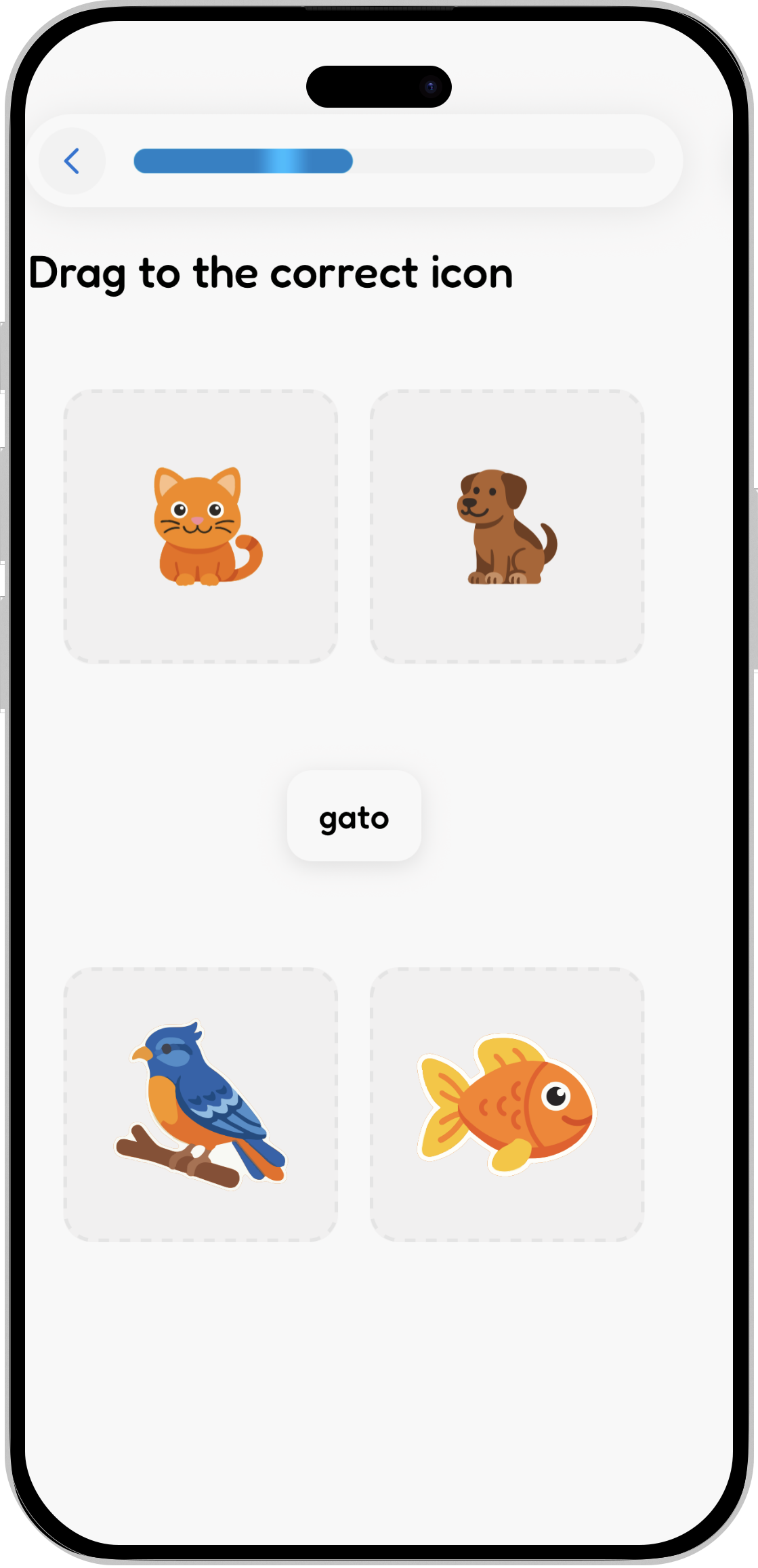
Interactive Games
A variety of games to help you learn and remember new words and phrases.


Traer Conjugation Chart
Indicative: present, preterite and imperfect
| Pronoun | Present | Preterite | Imperfect |
|---|---|---|---|
| yo | traigo | traje | traía |
| tú | traes | trajiste | traías |
| él / ella / usted | trae | trajo | traía |
| nosotros / nosotras | traemos | trajimos | traíamos |
| vosotros / vosotras | traéis | trajisteis | traíais |
| ellos / ellas / ustedes | traen | trajeron | traían |
Future, conditional and present perfect
| Pronoun | Future | Conditional | Present perfect |
|---|---|---|---|
| yo | traeré | traería | he traído |
| tú | traerás | traerías | has traído |
| él / ella / usted | traerá | traería | ha traído |
| nosotros / nosotras | traeremos | traeríamos | hemos traído |
| vosotros / vosotras | traeréis | traeríais | habéis traído |
| ellos / ellas / ustedes | traerán | traerían | han traído |
Subjunctive
| Pronoun | Present subjunctive | Imperfect subjunctive |
|---|---|---|
| yo | traiga | trajera |
| tú | traigas | trajeras |
| él / ella / usted | traiga | trajera |
| nosotros / nosotras | traigamos | trajéramos |
| vosotros / vosotras | traigáis | trajerais |
| ellos / ellas / ustedes | traigan | trajeran |
Commands (imperative)
| Person | Affirmative | Negative |
|---|---|---|
| tú | ¡trae! | ¡no traigas! |
| usted | ¡traiga! | ¡no traiga! |
| nosotros | ¡traigamos! | ¡no traigamos! |
| vosotros | ¡traed! | ¡no traigáis! |
| ustedes | ¡traigan! | ¡no traigan! |
Gerund: trayendo (estoy trayendo) · Past participle: traído (he traído)
What Makes Traer Irregular
Here's where traer departs from the regular -er pattern:
- Yo traigo: an added -ig- in the yo form. The whole present subjunctive keeps it: traiga, traigas, traigamos.
- J-stem preterite: traje, trajiste, trajo, trajimos, trajisteis, trajeron. As with decir, the ellos form is trajeron, never "trajieron."
- Y in the gerund: trayendo.
- Accented participle: traído.
Atraer (to attract), distraer (to distract) and contraer (to contract) follow the same model: atraigo, distrajo, contrajeron.
How to Use Traer
Traer and llevar both translate as "bring" or "take," and the difference is direction:
- Traer is movement toward the speaker: Tráeme un vaso de agua (Bring me a glass of water).
- Llevar is movement away from the speaker: Llevo el vino a la fiesta (I'm taking the wine to the party).
This is different from English. If you're calling a friend to ask them to bring something to a party you're hosting, use traer. If you're going to someone else's party, you llevas something.
Traer also means "to wear" or "to carry" in some regions (¿Qué traes puesto?), and "to cause": Esto nos va a traer problemas.
Common Expressions With Traer
| Expression | Meaning | Example |
|---|---|---|
| ¿Qué te trae por aquí? | What brings you here? | ¡Hola! ¿Qué te trae por aquí? |
| traer suerte | to bring luck | Dicen que este amuleto trae suerte. |
| traer puesto | to be wearing | Traía puesto un abrigo rojo. |
| traer consigo | to bring with it, to entail | El cambio trajo consigo muchos problemas. |
| traer cola | to have consequences | Esta decisión va a traer cola. |
| traerse algo entre manos | to be up to something | ¿Qué te traes entre manos? |
Traer in Example Sentences
- Siempre traigo mi almuerzo al trabajo. (I always bring my lunch to work.)
- ¿Trajiste el cargador? (Did you bring the charger?)
- Mis padres me trajeron un regalo de México. (My parents brought me a gift from Mexico.)
- El camarero nos traía pan sin pedirlo. (The waiter would bring us bread without us asking.)
- Mañana traeré las fotos. (I'll bring the photos tomorrow.)
- Dile que traiga una chaqueta. (Tell her to bring a jacket.)
Common Mistakes With Traer
- "Traí" instead of traje. The preterite yo form is traje.
- "Trajieron" instead of trajeron. After the j, the ending is -eron.
- Using traer for "take." If you're taking something somewhere else, use llevar.
- "Traendo" instead of trayendo. The gerund needs a y.
Frequently Asked Questions
What is the preterite of traer?
Traje, trajiste, trajo, trajimos, trajisteis, trajeron.
Is traer irregular?
Yes. Traer is irregular in the present yo form (traigo), the preterite (traje), the present subjunctive (traiga) and the gerund (trayendo).
What is the difference between traer and llevar?
Traer means to bring toward where the speaker is. Llevar means to take somewhere else, away from the speaker.
What is the tú command of traer?
The affirmative tú command is trae (Trae la llave). With a pronoun, it becomes tráeme or tráelo. The negative is no traigas.
Keep Practicing
The quiz below mixes pronouns and tenses from the chart above. For more practice, these guides pair well with traer:

Jean-Baptiste Bolh
Co-Founder
Applied AI