Leer Conjugation: Leo, Leyó, Leyendo and Every Tense (Chart)
Leer means "to read." Its endings are regular, but it has a spelling change: the i becomes y between vowels, so you get leyó, leyeron in the preterite and leyendo as the gerund. The present is completely regular: leo, lees, lee, leemos, leéis, leen.
Ready to Learn a Language?
Try PolyChat's engaging language lessons, interactive learning games and put your new vocabulary to the test!
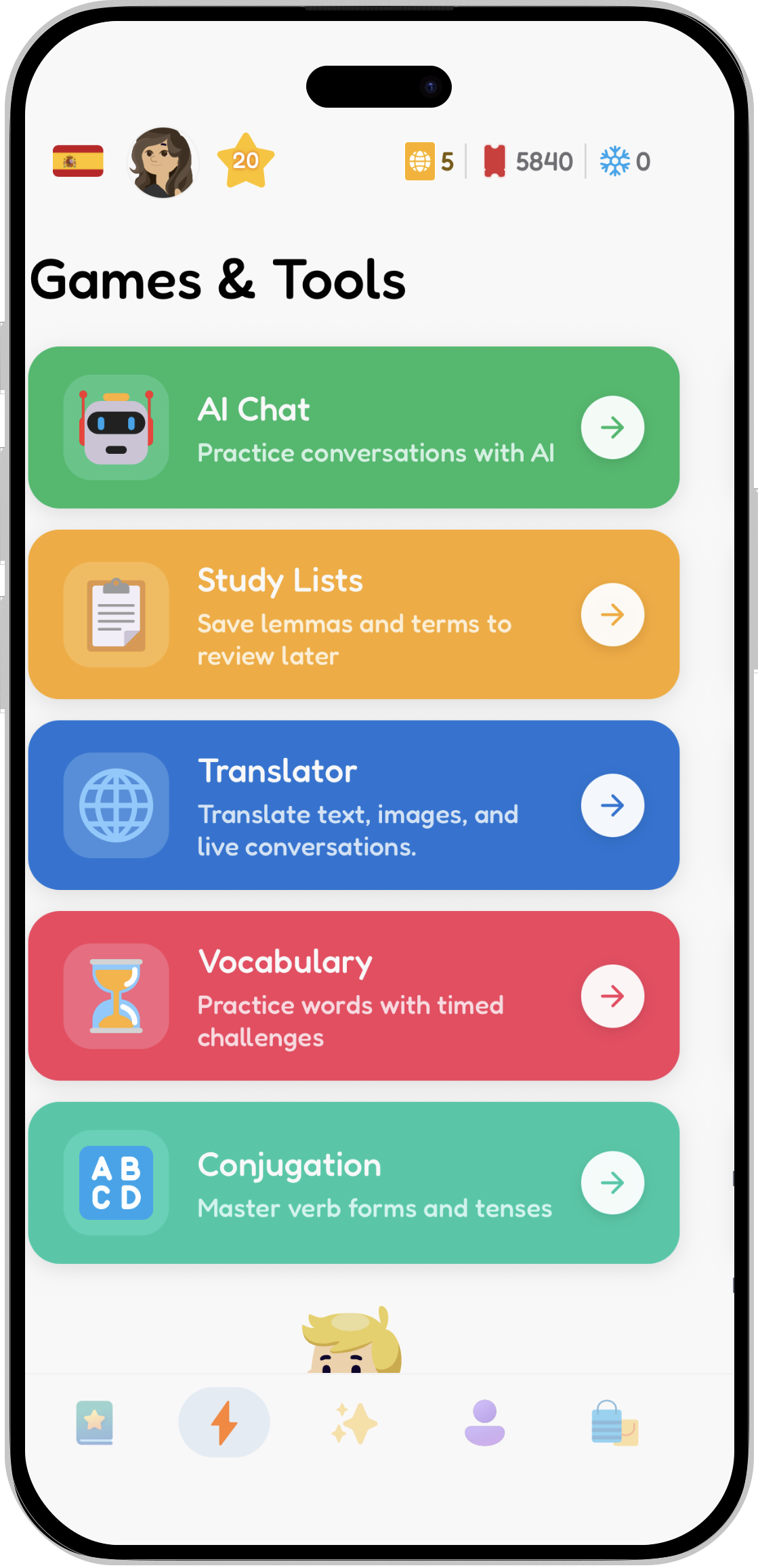
Games & Tools
Tools that every language learner needs at all stages of their learning journey.

AI Chat Tutor
Practice real conversations with an AI tutor that helps you speak with confidence.
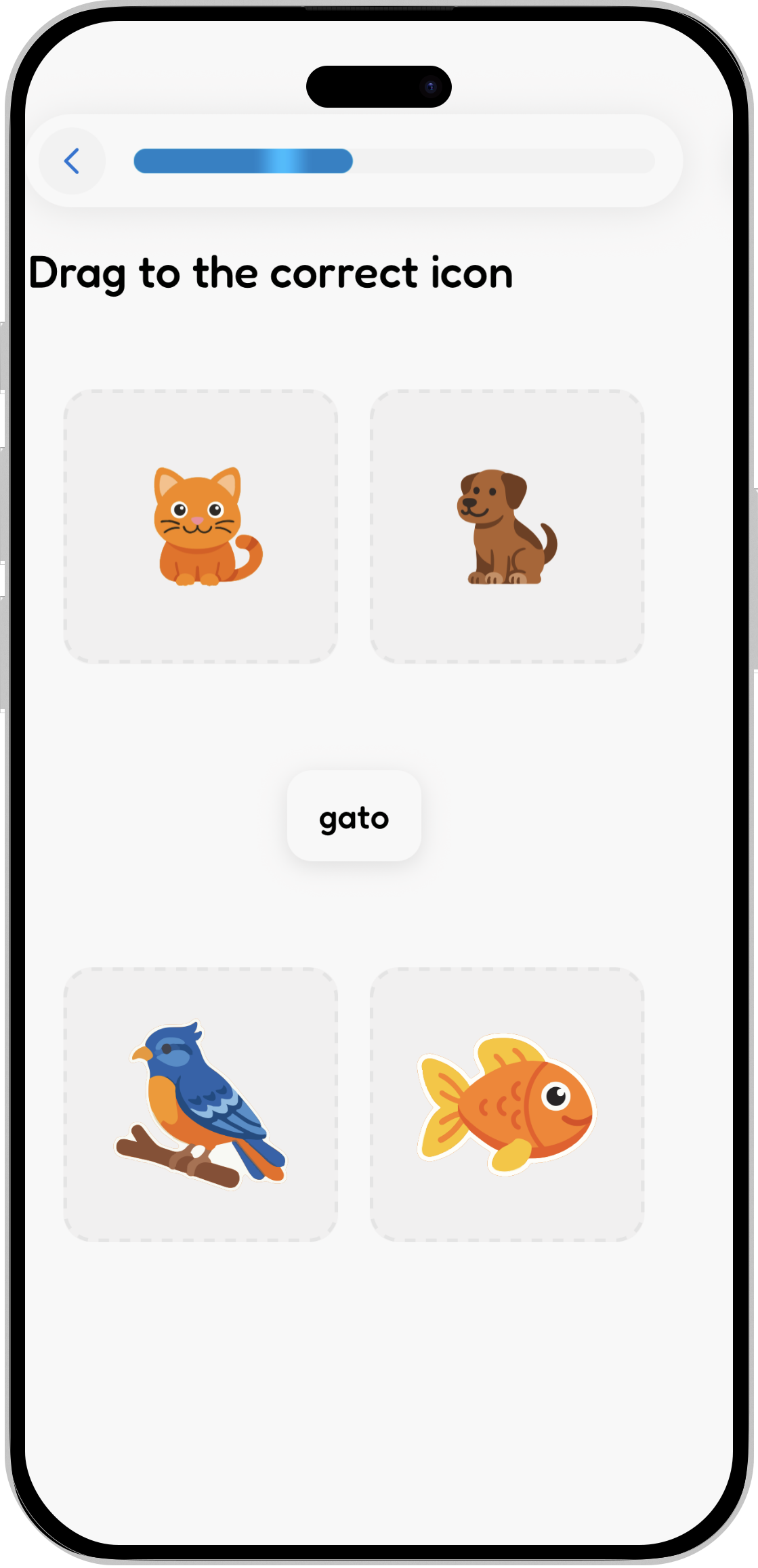
Interactive Games
A variety of games to help you learn and remember new words and phrases.


Leer Conjugation Chart
Indicative: present, preterite and imperfect
| Pronoun | Present | Preterite | Imperfect |
|---|---|---|---|
| yo | leo | leí | leía |
| tú | lees | leíste | leías |
| él / ella / usted | lee | leyó | leía |
| nosotros / nosotras | leemos | leímos | leíamos |
| vosotros / vosotras | leéis | leísteis | leíais |
| ellos / ellas / ustedes | leen | leyeron | leían |
Future, conditional and present perfect
| Pronoun | Future | Conditional | Present perfect |
|---|---|---|---|
| yo | leeré | leería | he leído |
| tú | leerás | leerías | has leído |
| él / ella / usted | leerá | leería | ha leído |
| nosotros / nosotras | leeremos | leeríamos | hemos leído |
| vosotros / vosotras | leeréis | leeríais | habéis leído |
| ellos / ellas / ustedes | leerán | leerían | han leído |
Subjunctive
| Pronoun | Present subjunctive | Imperfect subjunctive |
|---|---|---|
| yo | lea | leyera |
| tú | leas | leyeras |
| él / ella / usted | lea | leyera |
| nosotros / nosotras | leamos | leyéramos |
| vosotros / vosotras | leáis | leyerais |
| ellos / ellas / ustedes | lean | leyeran |
Commands (imperative)
| Person | Affirmative | Negative |
|---|---|---|
| tú | ¡lee! | ¡no leas! |
| usted | ¡lea! | ¡no lea! |
| nosotros | ¡leamos! | ¡no leamos! |
| vosotros | ¡leed! | ¡no leáis! |
| ustedes | ¡lean! | ¡no lean! |
Gerund: leyendo (estoy leyendo) · Past participle: leído (he leído)
Leer's Spelling Changes
Leer isn't irregular in the way hacer or decir are, but two spelling rules change how it looks:
- i→y between vowels: When the ending starts with an unstressed i and follows the vowel of the stem, the i becomes y. That gives leyó, leyeron (preterite), leyera (imperfect subjunctive) and leyendo (gerund).
- Accents on the stressed í: leí, leíste, leímos, leísteis, leído, leía. The accent keeps the e and í in separate syllables.
The present, imperfect, future (leeré) and subjunctive (lea) are regular. The same model applies to creer (creyó, creyendo), poseer (poseyó) and releer (releyó).
How to Use Leer
Leer works like English "read": Leo el periódico (I read the newspaper), leer un libro, leer en voz alta (to read aloud).
The imperfect is especially useful: Leía antes de dormir means "I used to read before bed." Use the present perfect for recent reading: ¿Has leído su último libro? (Have you read her latest book?).
Common Expressions With Leer
| Expression | Meaning | Example |
|---|---|---|
| leer en voz alta | to read aloud | Lee el texto en voz alta. |
| leer entre líneas | to read between the lines | Hay que saber leer entre líneas. |
| leer la mente | to read someone's mind | ¿Me estás leyendo la mente? |
| leer la mano | to read someone's palm | Una adivina me leyó la mano. |
| leer de corrido | to read fluently | Con seis años ya leía de corrido. |
Leer in Example Sentences
- Leo un poco todas las noches. (I read a bit every night.)
- ¿Leíste mi mensaje? (Did you read my message?)
- Mis alumnos leyeron la novela en una semana. (My students read the novel in one week.)
- Mi padre leía el periódico en el desayuno. (My father used to read the newspaper at breakfast.)
- Estoy leyendo un libro de ciencia ficción. (I'm reading a science fiction book.)
- Nunca he leído a García Márquez. (I've never read García Márquez.)
Common Mistakes With Leer
- "Leió" instead of leyó. The i between vowels becomes y.
- "Leiendo" instead of leyendo. Same rule for the gerund.
- "Leido" without an accent. The participle is leído.
- Treating it as fully regular in the preterite. Only yo, tú, nosotros and vosotros keep the i: leí, leíste, leímos, leísteis.
Frequently Asked Questions
Is leer irregular?
Leer has regular endings but a spelling change. The i becomes y between vowels (leyó, leyeron, leyendo), and some forms need an accent (leí, leído).
What is the preterite of leer?
Leí, leíste, leyó, leímos, leísteis, leyeron.
What is the gerund of leer?
The gerund is leyendo, as in Estoy leyendo (I'm reading).
What other verbs conjugate like leer?
Creer, poseer, releer and proveer follow the same pattern: creyó, poseyeron, releyendo.
Keep Practicing
The quiz below mixes pronouns and tenses from the chart above. For more practice, these guides pair well with leer:

Jean-Baptiste Bolh
Co-Founder
Applied AI