Comer Conjugation: Como, Comí, Comía and Every Tense (Chart)
Comer means "to eat," and it's the standard model for regular -er verbs. The present is como, comes, come, comemos, coméis, comen, the preterite is comí, comiste, comió, and the imperfect is comía. Learn comer and you can conjugate beber, aprender, correr and vender the same way.
Ready to Learn a Language?
Try PolyChat's engaging language lessons, interactive learning games and put your new vocabulary to the test!
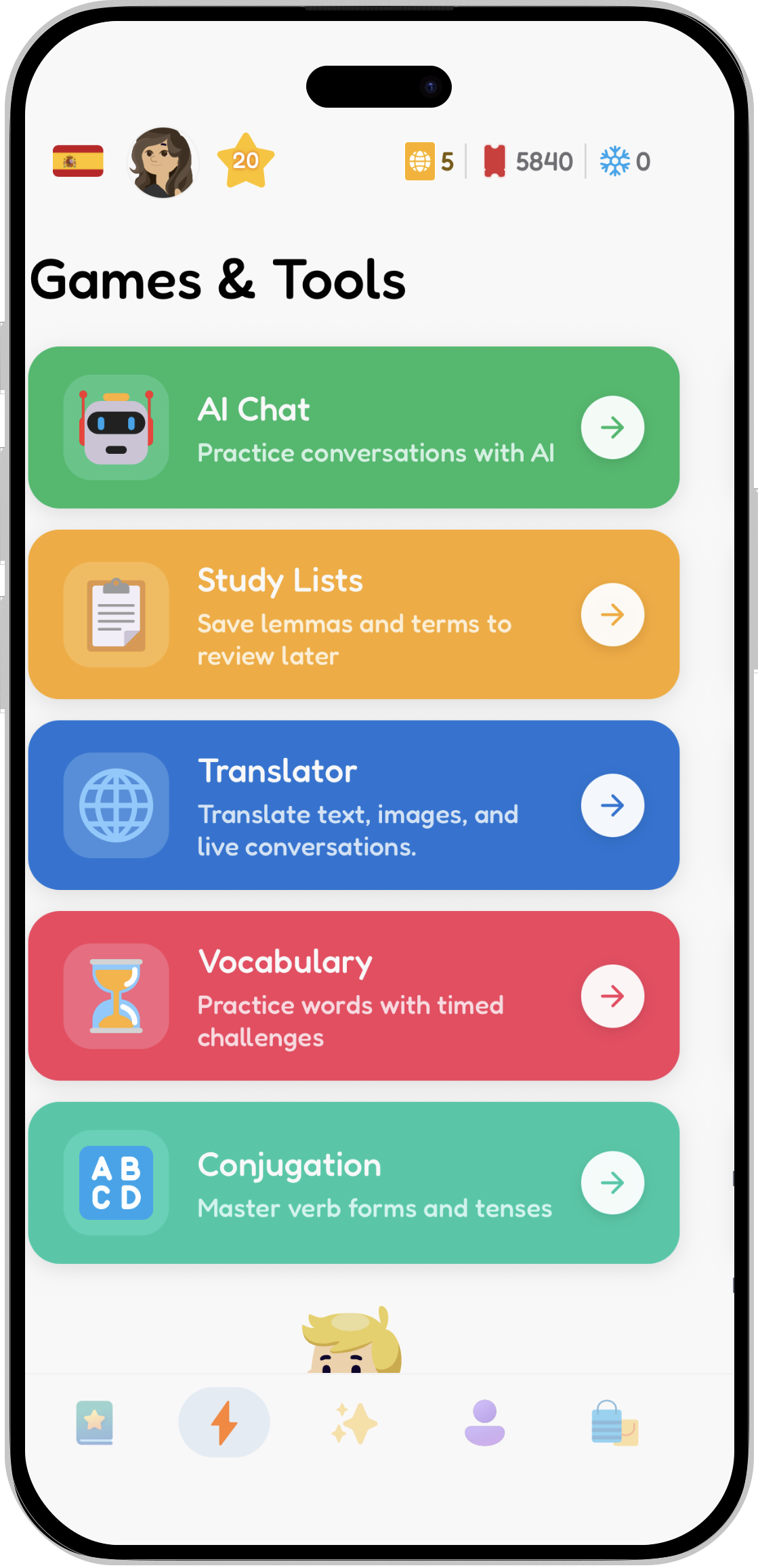
Games & Tools
Tools that every language learner needs at all stages of their learning journey.

AI Chat Tutor
Practice real conversations with an AI tutor that helps you speak with confidence.
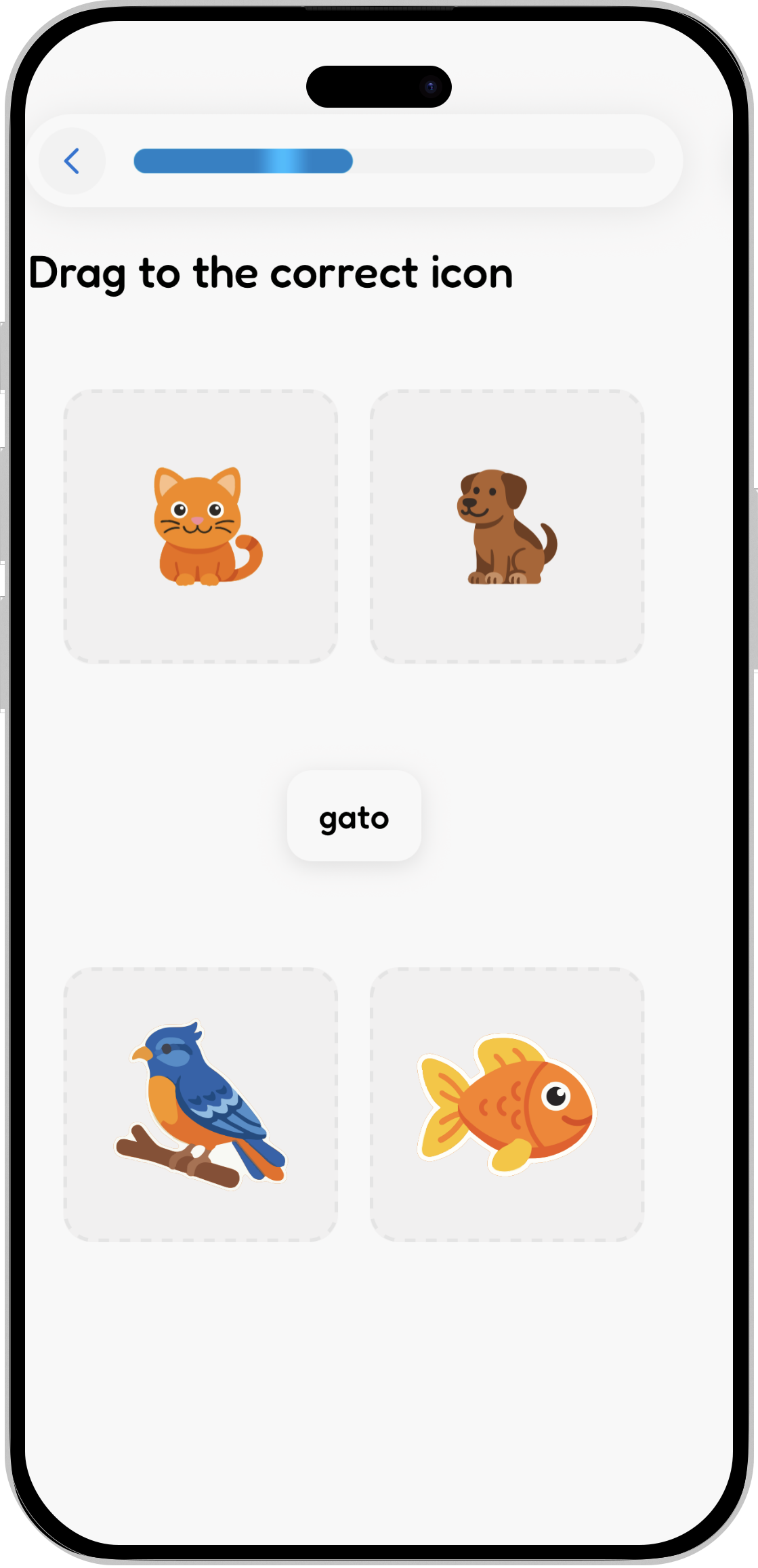
Interactive Games
A variety of games to help you learn and remember new words and phrases.


Comer Conjugation Chart
Indicative: present, preterite and imperfect
| Pronoun | Present | Preterite | Imperfect |
|---|---|---|---|
| yo | como | comí | comía |
| tú | comes | comiste | comías |
| él / ella / usted | come | comió | comía |
| nosotros / nosotras | comemos | comimos | comíamos |
| vosotros / vosotras | coméis | comisteis | comíais |
| ellos / ellas / ustedes | comen | comieron | comían |
Future, conditional and present perfect
| Pronoun | Future | Conditional | Present perfect |
|---|---|---|---|
| yo | comeré | comería | he comido |
| tú | comerás | comerías | has comido |
| él / ella / usted | comerá | comería | ha comido |
| nosotros / nosotras | comeremos | comeríamos | hemos comido |
| vosotros / vosotras | comeréis | comeríais | habéis comido |
| ellos / ellas / ustedes | comerán | comerían | han comido |
Subjunctive
| Pronoun | Present subjunctive | Imperfect subjunctive |
|---|---|---|
| yo | coma | comiera |
| tú | comas | comieras |
| él / ella / usted | coma | comiera |
| nosotros / nosotras | comamos | comiéramos |
| vosotros / vosotras | comáis | comierais |
| ellos / ellas / ustedes | coman | comieran |
Commands (imperative)
| Person | Affirmative | Negative |
|---|---|---|
| tú | ¡come! | ¡no comas! |
| usted | ¡coma! | ¡no coma! |
| nosotros | ¡comamos! | ¡no comamos! |
| vosotros | ¡comed! | ¡no comáis! |
| ustedes | ¡coman! | ¡no coman! |
Gerund: comiendo (estoy comiendo) · Past participle: comido (he comido)
Comer: The Model Regular -ER Verb
Comer is completely regular, which makes it the best verb for learning -er endings. The stem com- never changes; only the endings do:
- Present: -o, -es, -e, -emos, -éis, -en
- Preterite: -í, -iste, -ió, -imos, -isteis, -ieron
- Imperfect: -ía, -ías, -ía, -íamos, -íais, -ían
- Future: add -é, -ás, -á, -emos, -éis, -án to the whole infinitive (comeré)
- Present subjunctive: swap the e for an a: coma, comas, comamos
Note that -ir verbs like vivir use the same preterite and imperfect endings, so comí and viví follow one pattern.
How to Use Comer
Comer means "to eat" in general, but it has some everyday uses worth knowing:
- In Spain, comer also means "to have lunch," the main meal of the day: ¿A qué hora comes? In much of Latin America, almorzar is used for lunch instead.
- Comerse (the reflexive form) adds emphasis, meaning to eat something up completely: Me comí toda la pizza (I ate the whole pizza).
- Dar de comer means "to feed": Tengo que dar de comer al gato.
Common Expressions With Comer
| Expression | Meaning | Example |
|---|---|---|
| comerse la cabeza | to overthink, to worry | No te comas la cabeza con eso. |
| comer como una lima | to eat like a horse | Mi hijo come como una lima. |
| ser de buen comer | to be a hearty eater | Mi abuelo es de buen comer. |
| comer a besos | to smother with kisses | La abuela se lo comía a besos. |
| dar de comer | to feed | ¿Quién da de comer al perro? |
| sin comerlo ni beberlo | through no fault of one's own | Sin comerlo ni beberlo, me metí en un lío. |
Comer in Example Sentences
- Normalmente como a las dos. (I usually have lunch at two.)
- ¿Qué comiste ayer? (What did you eat yesterday?)
- Cuando vivía en México, comía tacos todos los días. (When I lived in Mexico, I ate tacos every day.)
- Comeremos en casa de mis padres. (We'll eat at my parents' house.)
- Me comería un helado ahora mismo. (I could eat an ice cream right now.)
- Es mejor que comas algo antes de salir. (It's better if you eat something before going out.)
Common Mistakes With Comer
- "Comistes" instead of comiste. The tú preterite has no final s, even though you'll hear "comistes" colloquially.
- Forgetting accents in the preterite. Comí and comió need accents; comio is a typo.
- Using comer for "have breakfast" or "have dinner." Those are desayunar and cenar.
- Leaving out comerse when you mean the whole thing. Comí pizza is "I ate pizza"; me comí la pizza is "I ate (all) the pizza."
Frequently Asked Questions
Is comer regular?
Yes. Comer is a fully regular -er verb and is often used as the model for the whole group.
What is the preterite of comer?
Comí, comiste, comió, comimos, comisteis, comieron.
What is the difference between comer and comerse?
Comer is to eat. Comerse emphasizes eating something completely or with gusto: Me comí el pastel entero (I ate the whole cake).
What other verbs conjugate like comer?
Beber, aprender, correr, vender, comprender, deber and responder all follow the same pattern.
Keep Practicing
The quiz below mixes pronouns and tenses from the chart above. For more practice, these guides pair well with comer:

Jean-Baptiste Bolh
Co-Founder
Applied AI